There was an error with your log in

Trail Running in Europe

Europe's trails are in a league of their own.
Alpine passes, Dolomite ridgelines, ancient mountain routes, and some of the most iconic running destinations in the world.
Just pick a trail and start running.
Trail Running in Europe Brochure
Download for sharing and offline access to full adventure itineraries, important information, FAQs, guides info and more.
Brochure sent, check your inbox
If you have questions or need help with planning a trip, schedule a call with one of our adventure experts.

Run Europe's Greatest Trails

The Bucket List Destination for Trail Runners

There’s a reason trail runners from all over the world put Europe on their list.

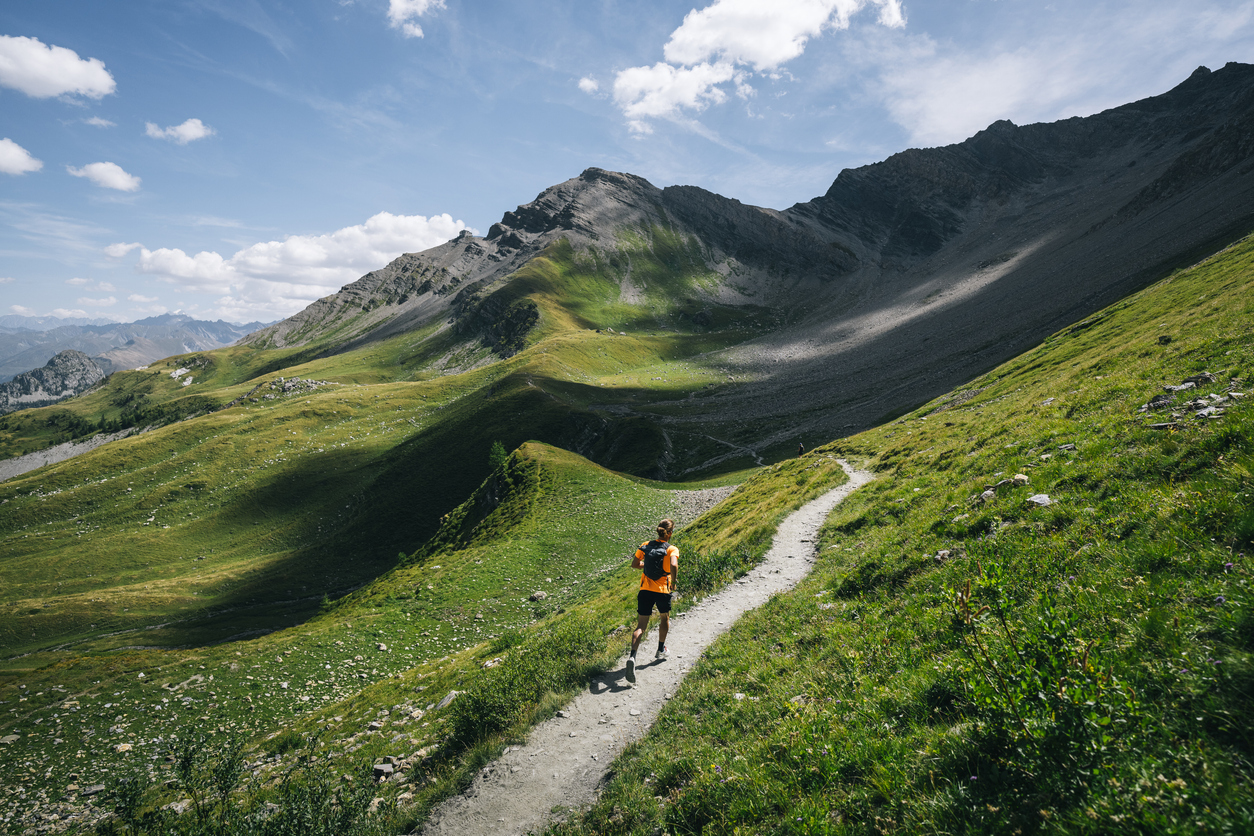
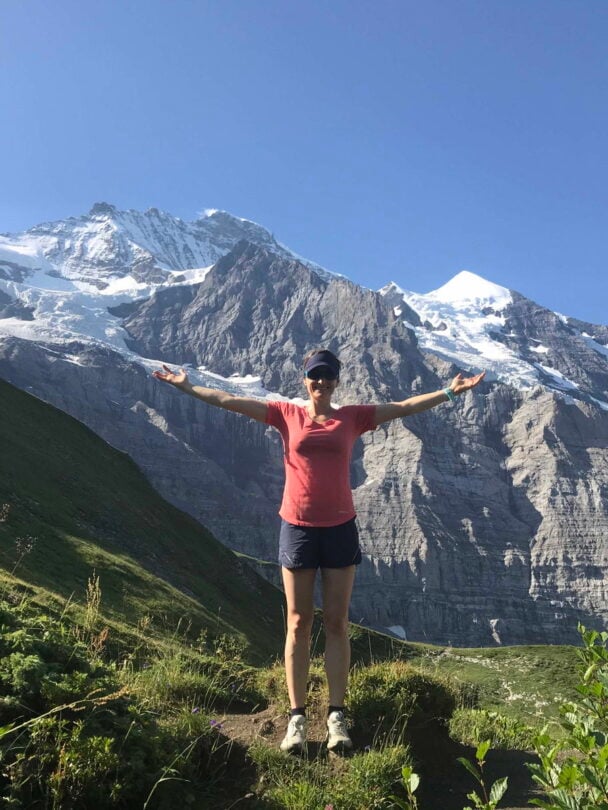
The Alps alone offer over 100,000 kilometers of trails threading through France, Italy, and Switzerland, many of them ancient trade routes and mountain paths that have been walked and run for centuries.

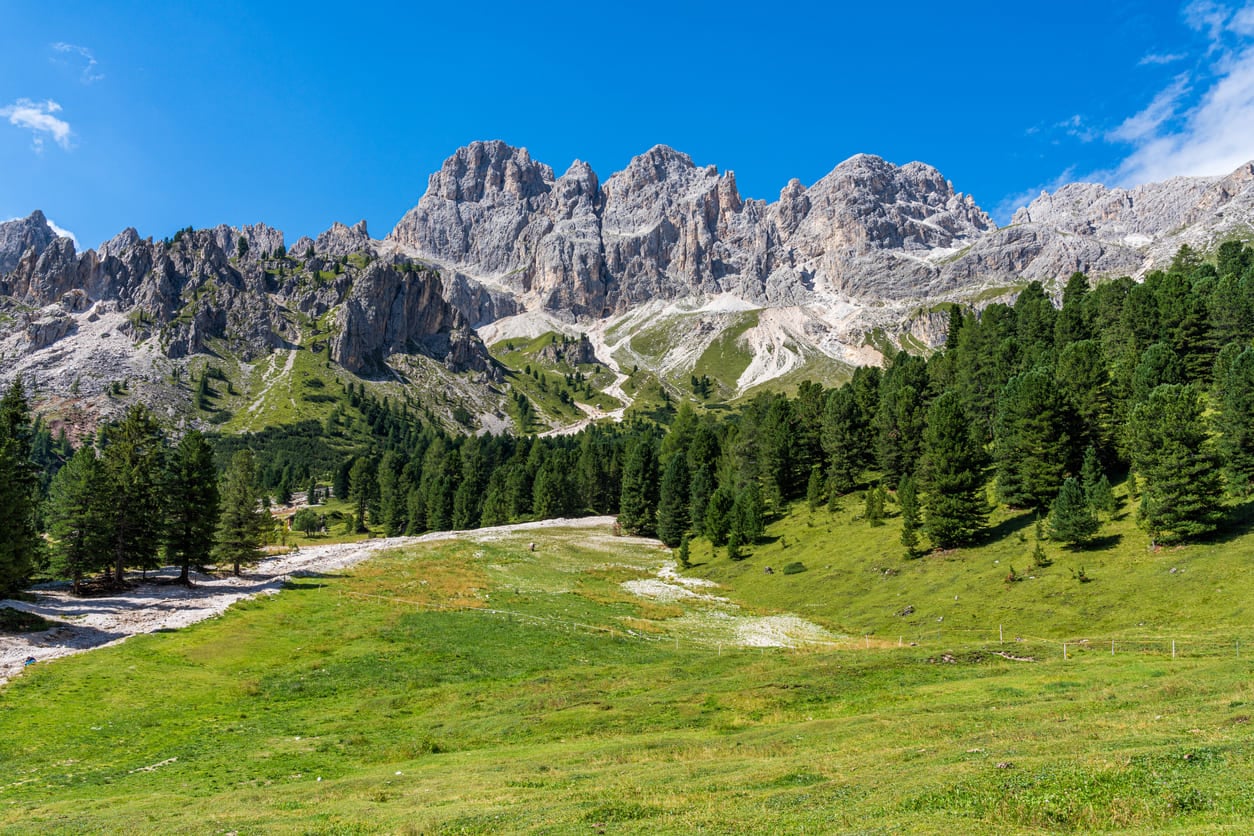
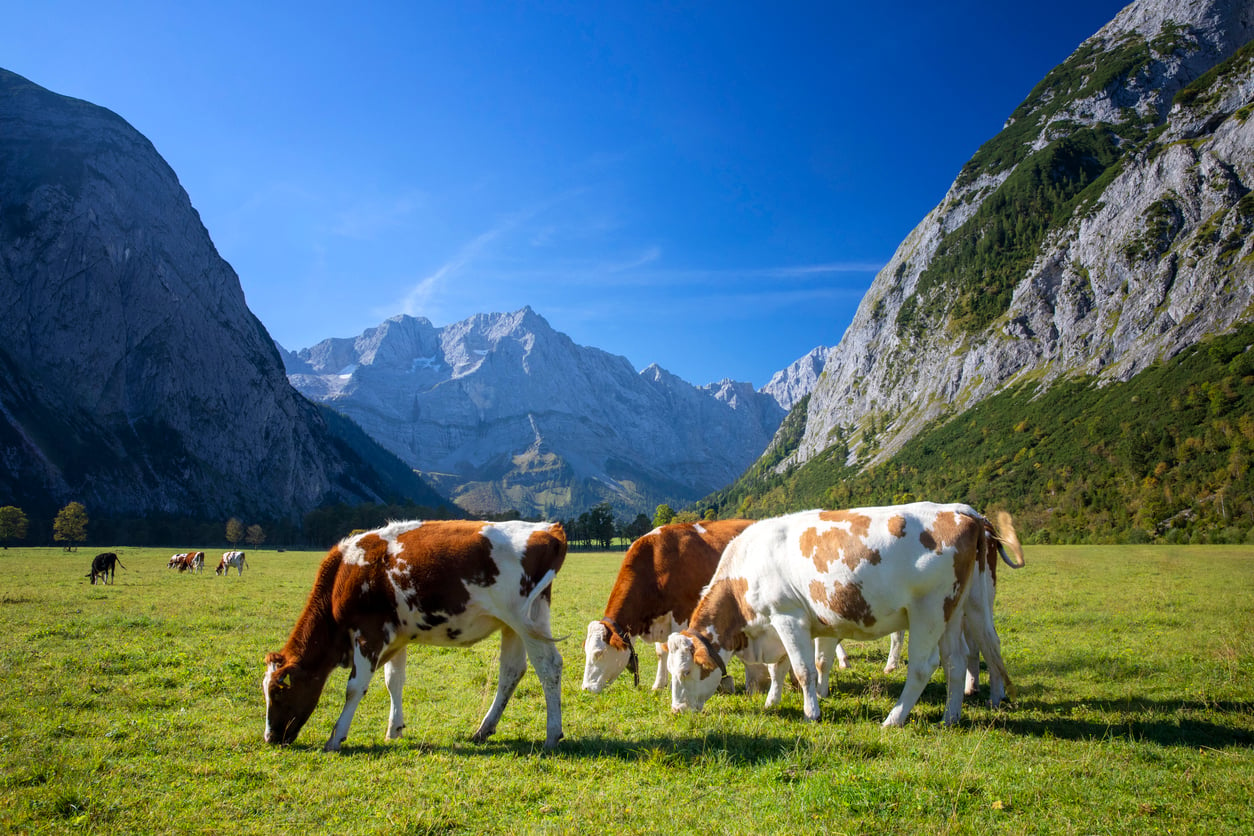
The Dolomites deliver the kind of scenery that makes you stop mid-stride just to stare.

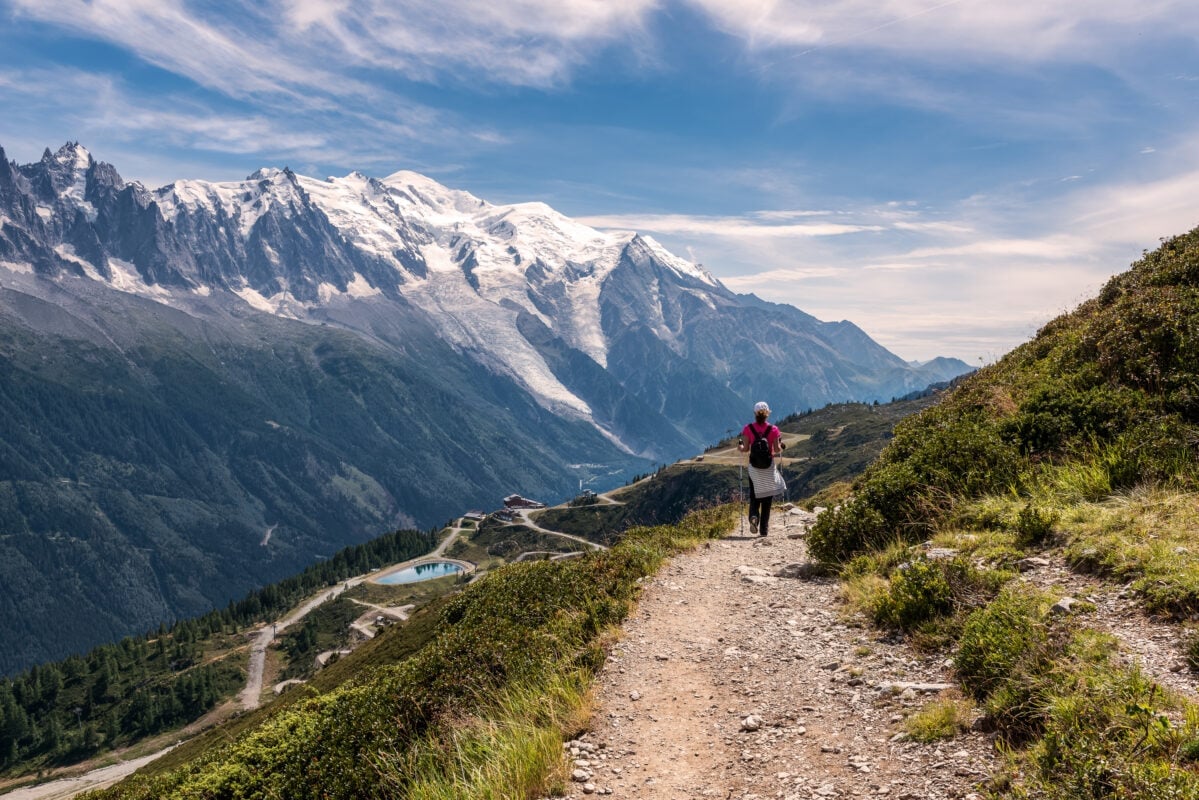
Chamonix is basically the world capital of trail running, with the legendary UTMB race drawing elite runners and weekend warriors alike every summer. Mont Blanc, the Dolomites, the CCC route from Courmayeur to Chamonix—these are the names that appear on every serious trail runner’s radar.

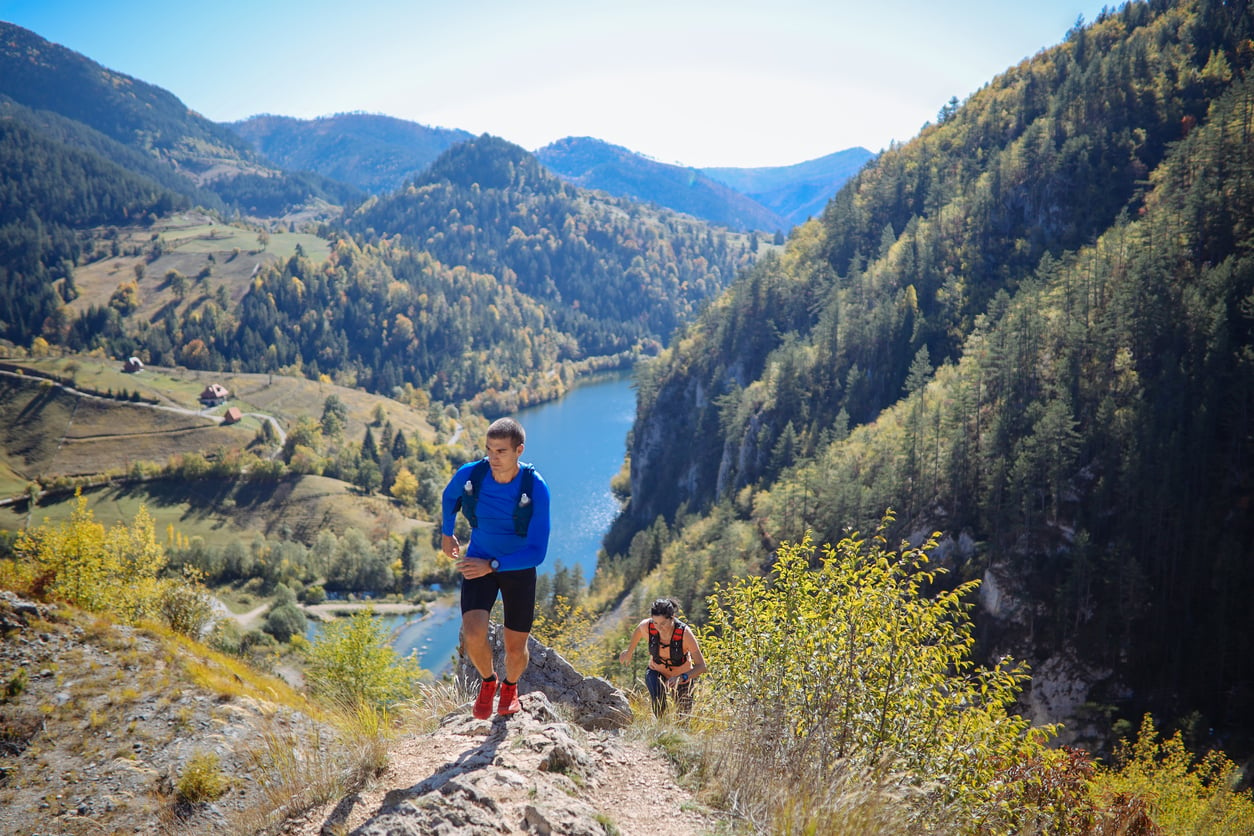
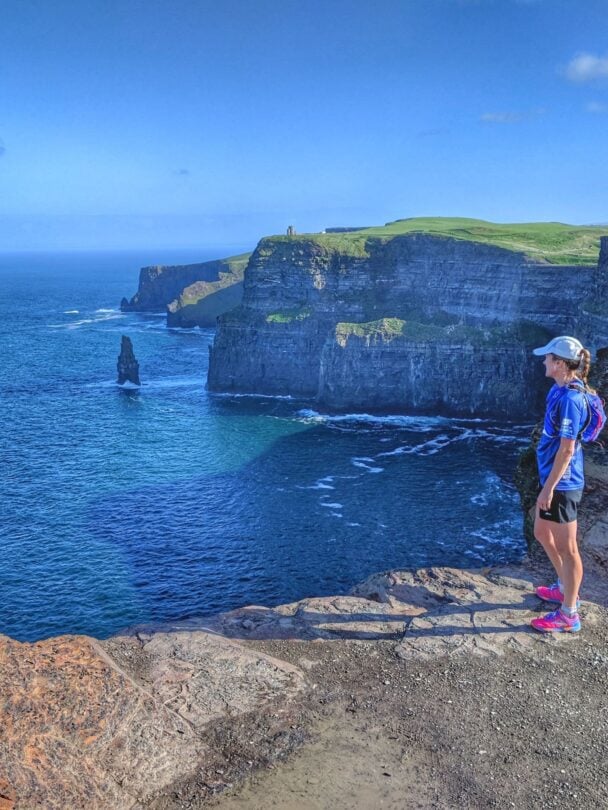
But Europe’s trail running scene goes well beyond the Alps. The mountains of central Spain, the dramatic coastlines of Ireland, the cross-border trails linking Slovenia and Croatia — there’s a whole continent of incredible running out here, much of it quieter, wilder, and just as rewarding as the famous stuff. These trips cover all of it.
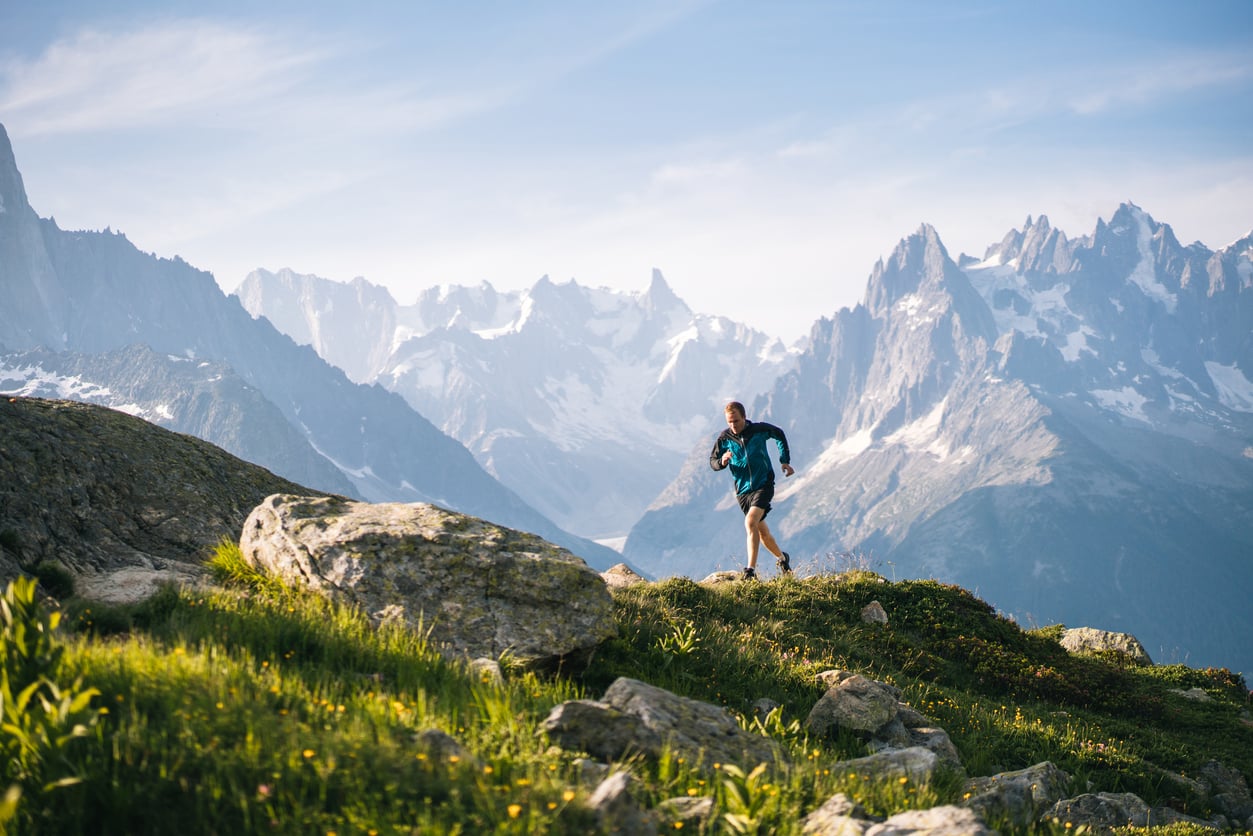
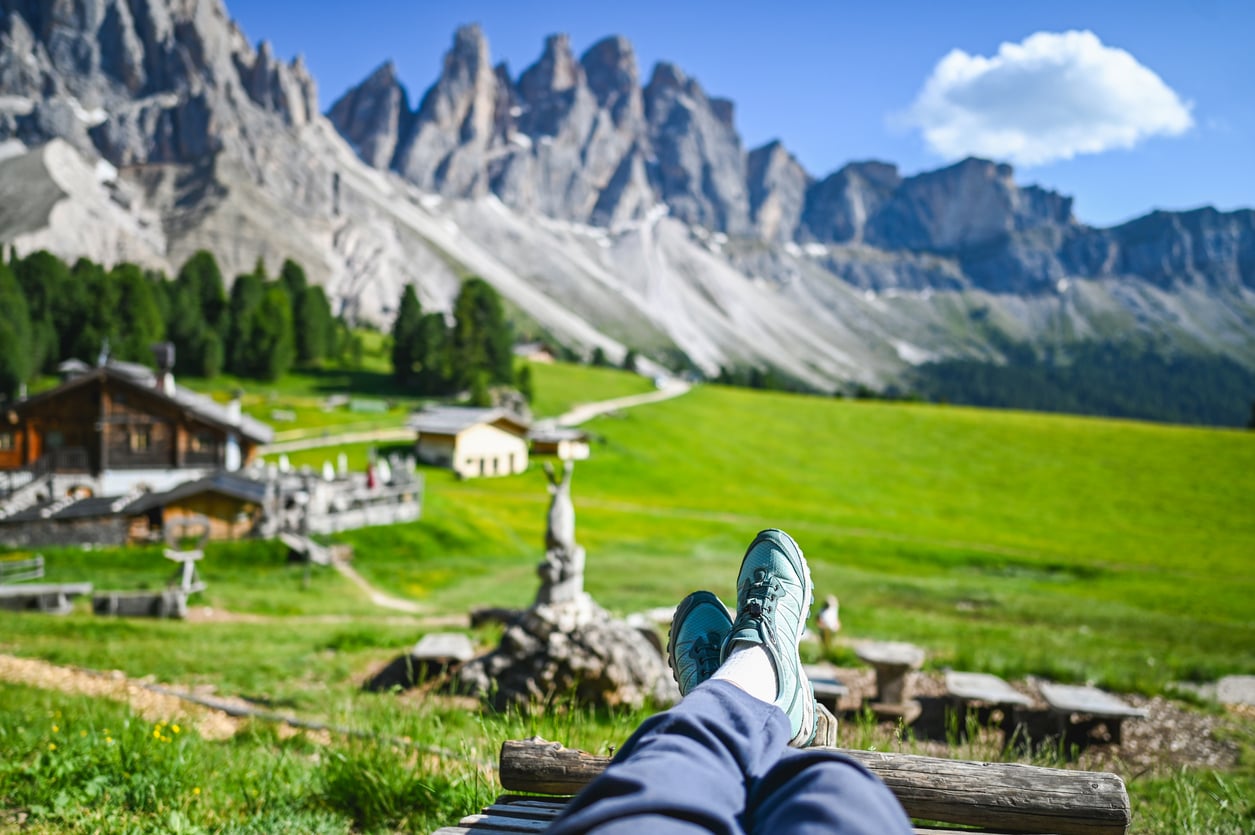
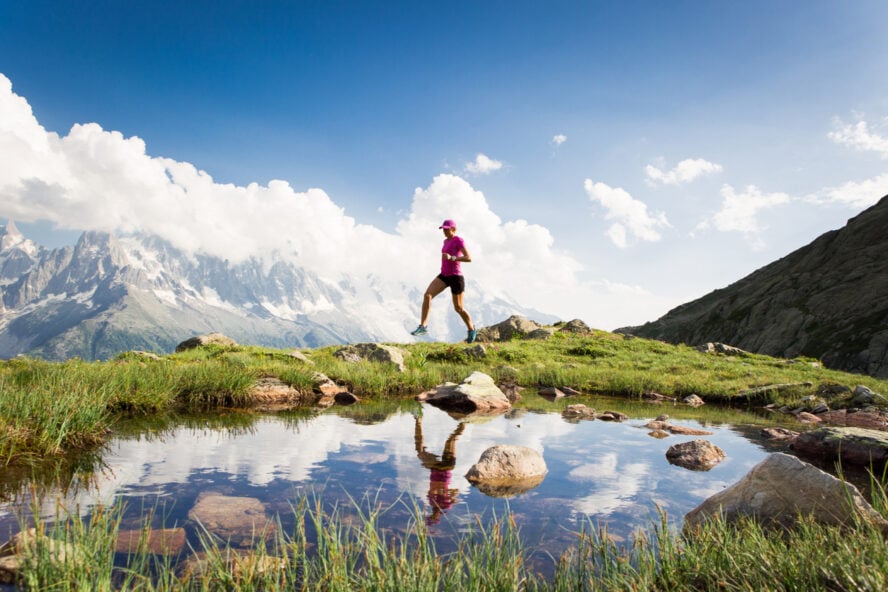
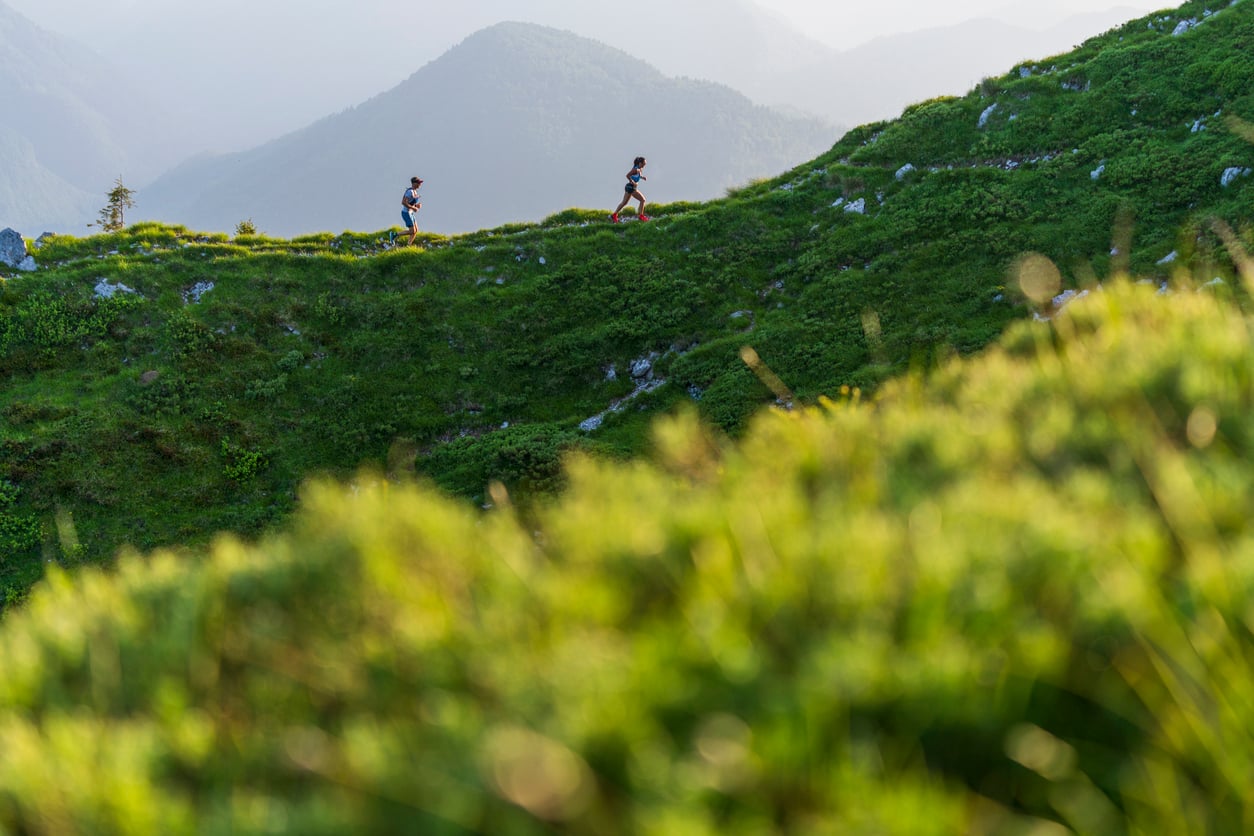
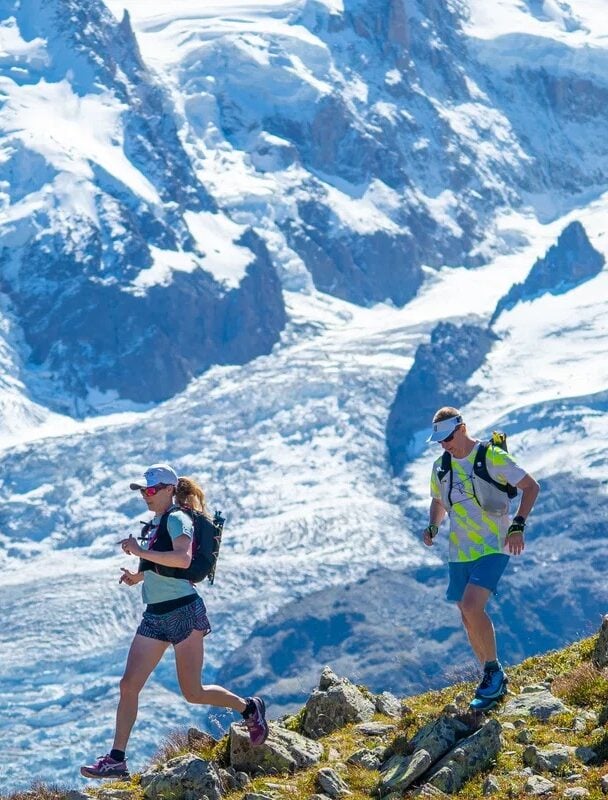
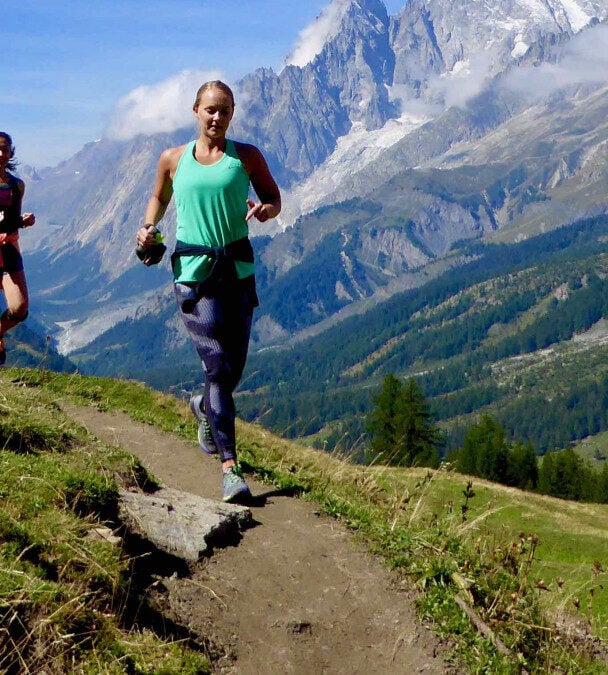
trail runner alps

More than just a run

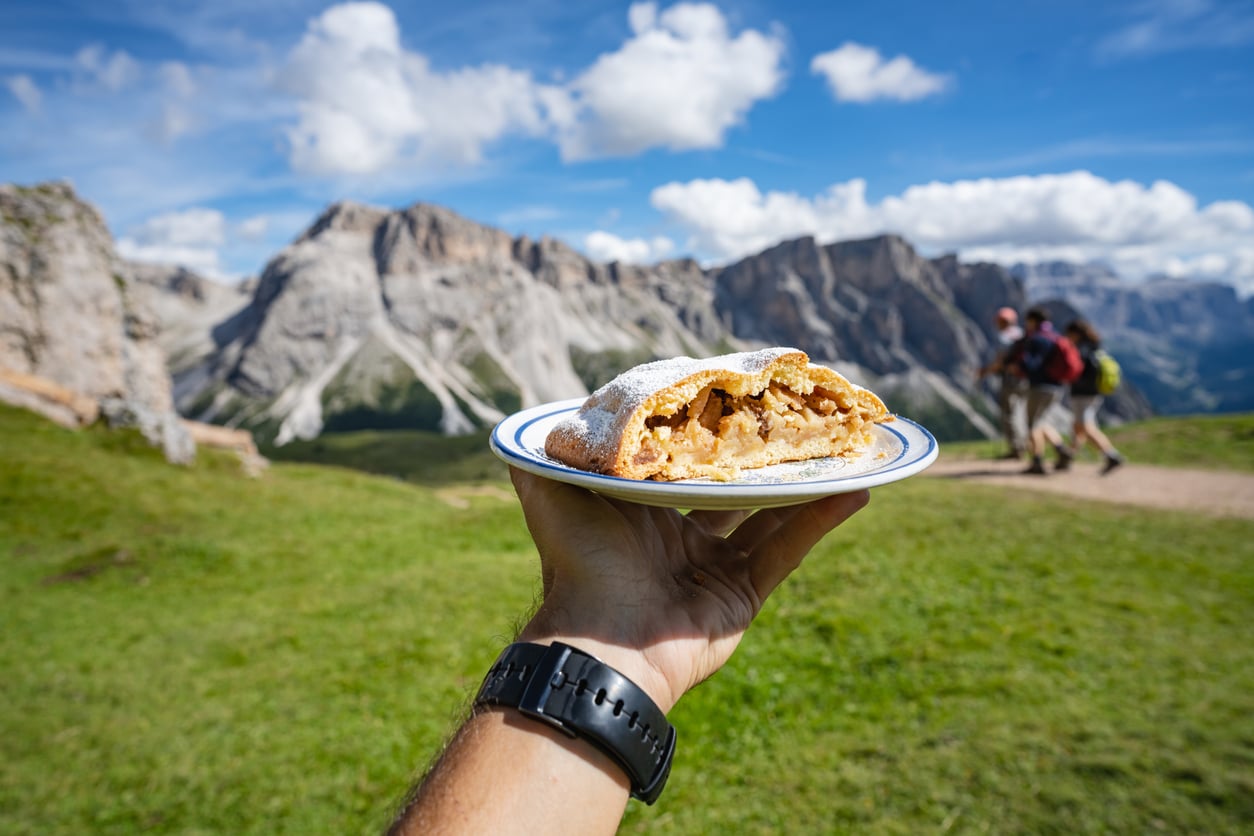
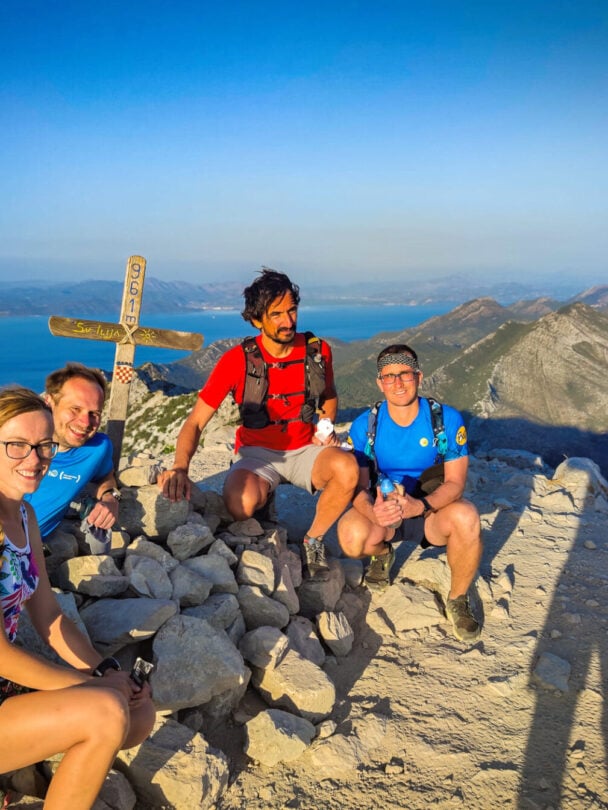
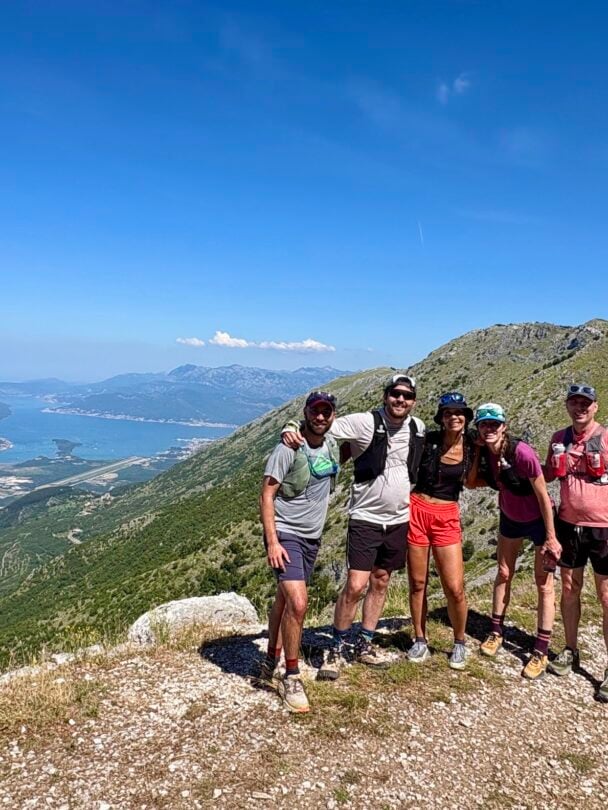
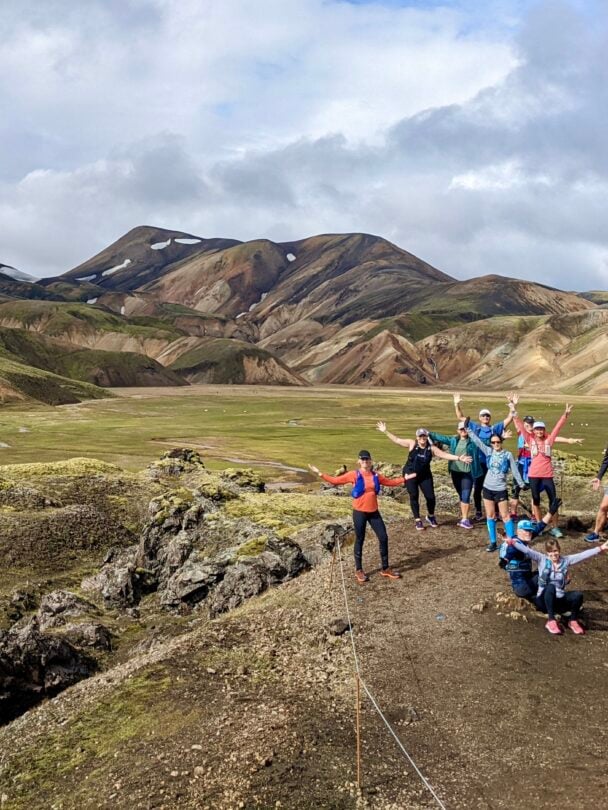
Trail running in Europe isn’t just about the miles. It’s about finishing a big mountain day and walking into a stone-walled alpine hut where dinner is already on the table. It’s running through medieval villages, past glaciers, along ridgelines with views that stretch across three countries. It’s the kind of trip where the running is the vehicle and everything around it — the landscape, the culture, the people you meet on the trail — is the whole point.

These trips are built with that in mind. Routes are chosen for scenery and experience, not just distance and elevation. Whether you’re running a classic like the Tour du Mont Blanc or exploring lesser-known trails in Slovenia, every day delivers something worth running for.

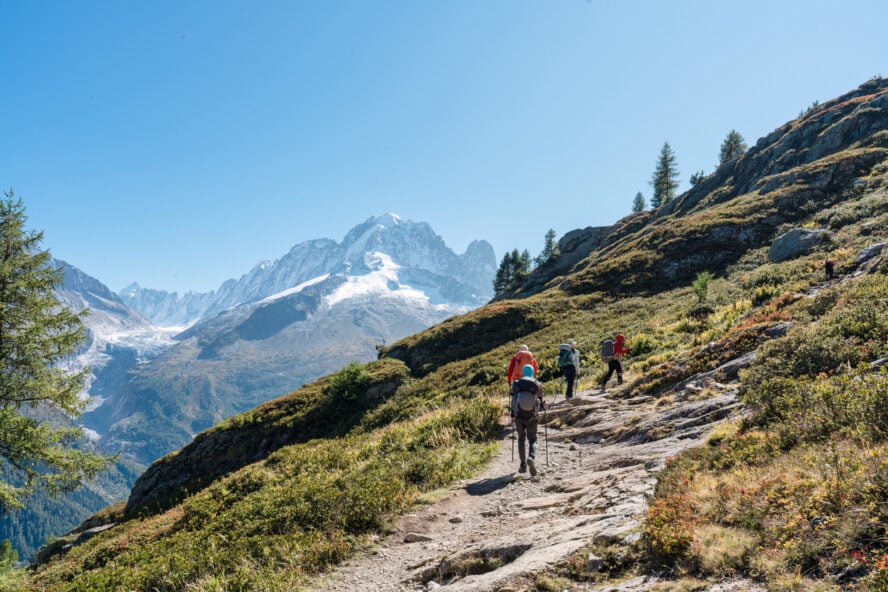
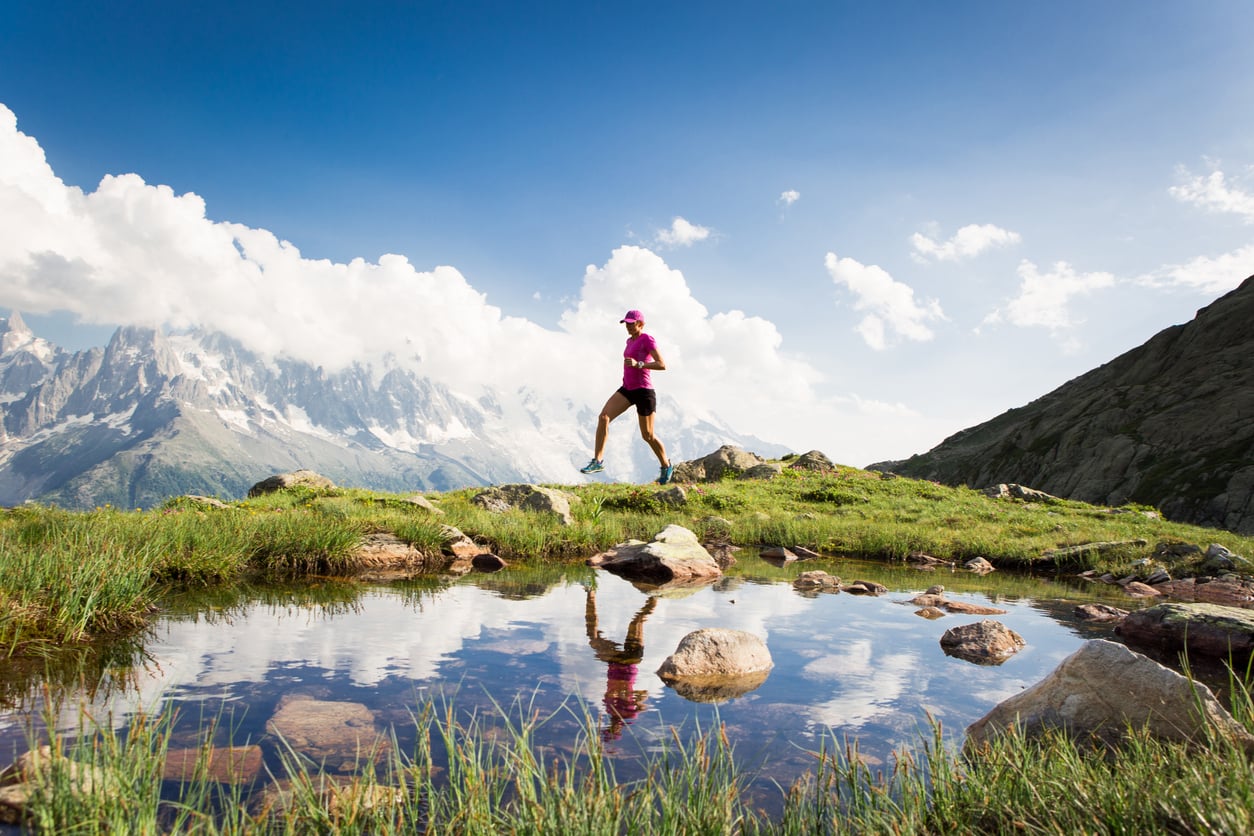
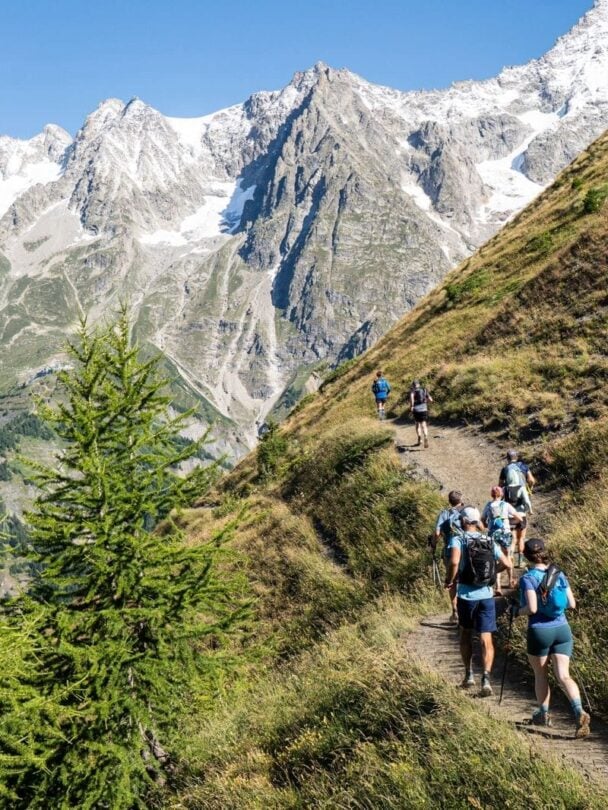
dolomites huts views

Honest talk about fitness and difficulty

The most common question people ask before booking a trail running trip in the Alps is whether they can handle the vertical. It’s a fair one. Alpine terrain is real terrain — steep climbs, technical descents, altitude, and conditions that change fast. These are proper running adventures, not casual jogs with nice views.

That said, the range across these trips is wide. Some are designed for runners who want structured coaching, technique work, and a solid introduction to mountain running. Others are multi-day adventures built for experienced runners chasing big routes and serious elevation. Each trip clearly states its daily distances, total ascent, and required fitness level, so you can assess honestly before you commit. A good baseline: if you can run comfortably for 90 minutes on flat ground and hike uphill for a couple of hours without it destroying you, you’re in the right ballpark for most introductory trips. The more demanding routes will tell you exactly what they expect.

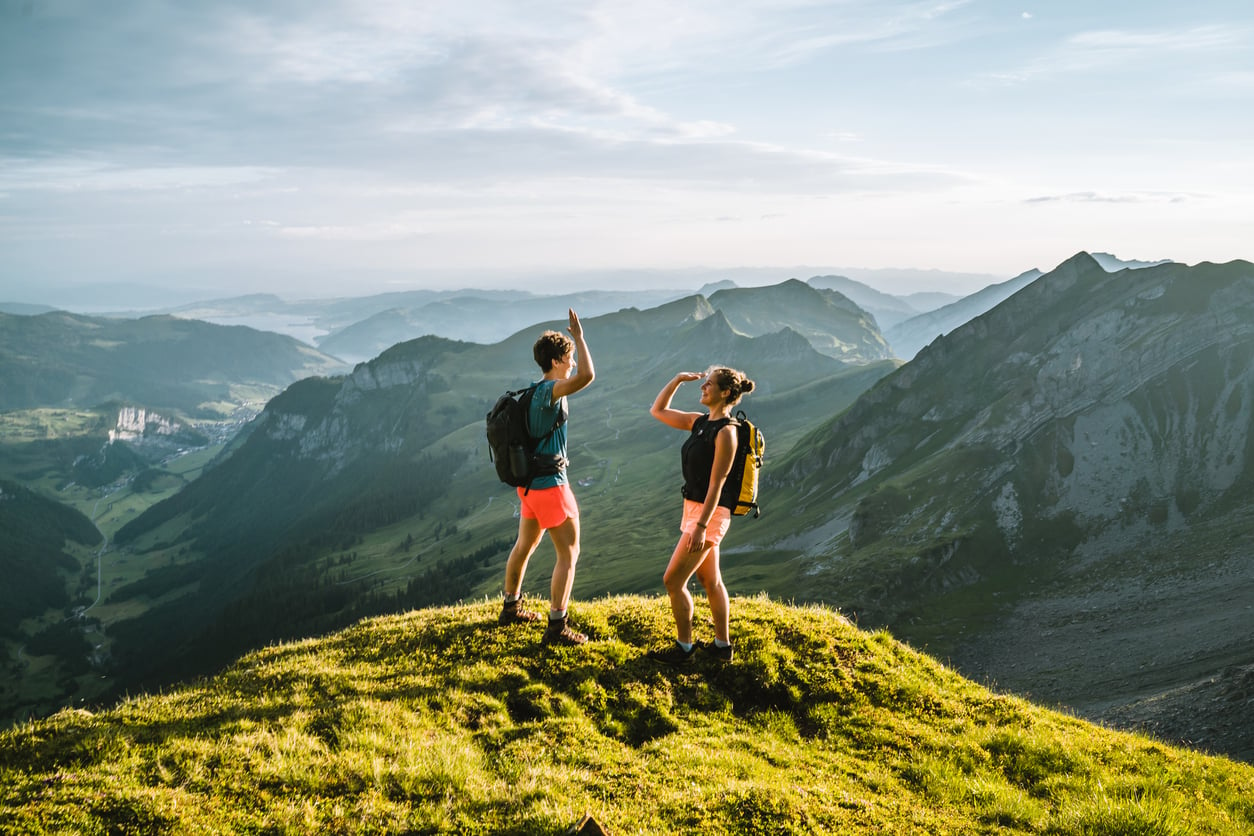
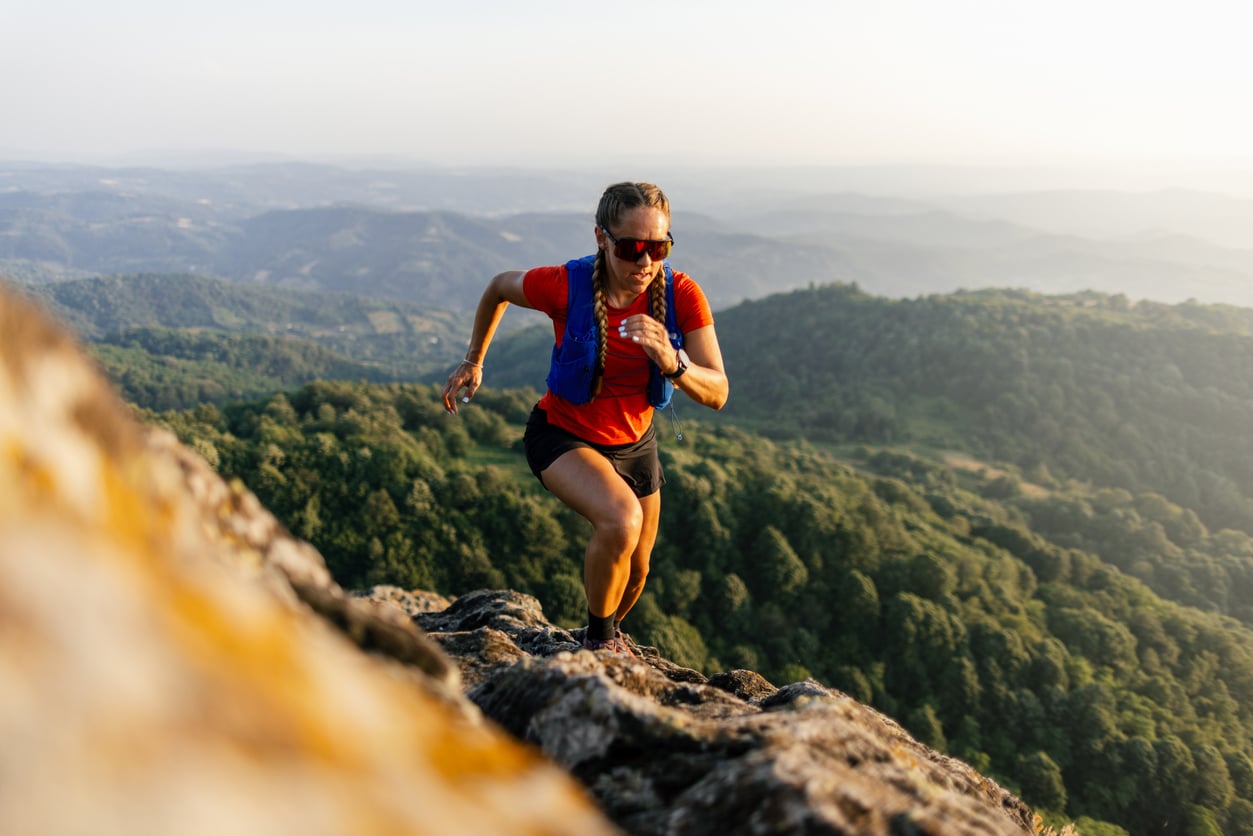
high five trail running

Coaching, technique, and running smarter in the mountains

Several of these trips go beyond guided running and into genuine coaching territory. That means structured technique sessions, personalised feedback on your form, advice on pacing for big climbs and technical descents, and the kind of one-on-one time with an expert that most runners never get. If you’ve been running roads for years and want to make the transition to mountain terrain properly, or if you just want to come home a better runner than when you left, these coached camps are built for exactly that.

Running in the mountains is a different skill set to road running. Efficient uphill technique, controlled descents, reading terrain, managing effort at altitude — a good coach accelerates all of it. Chamonix, with its variety of trails and deep trail running culture, is the natural home for this kind of trip.

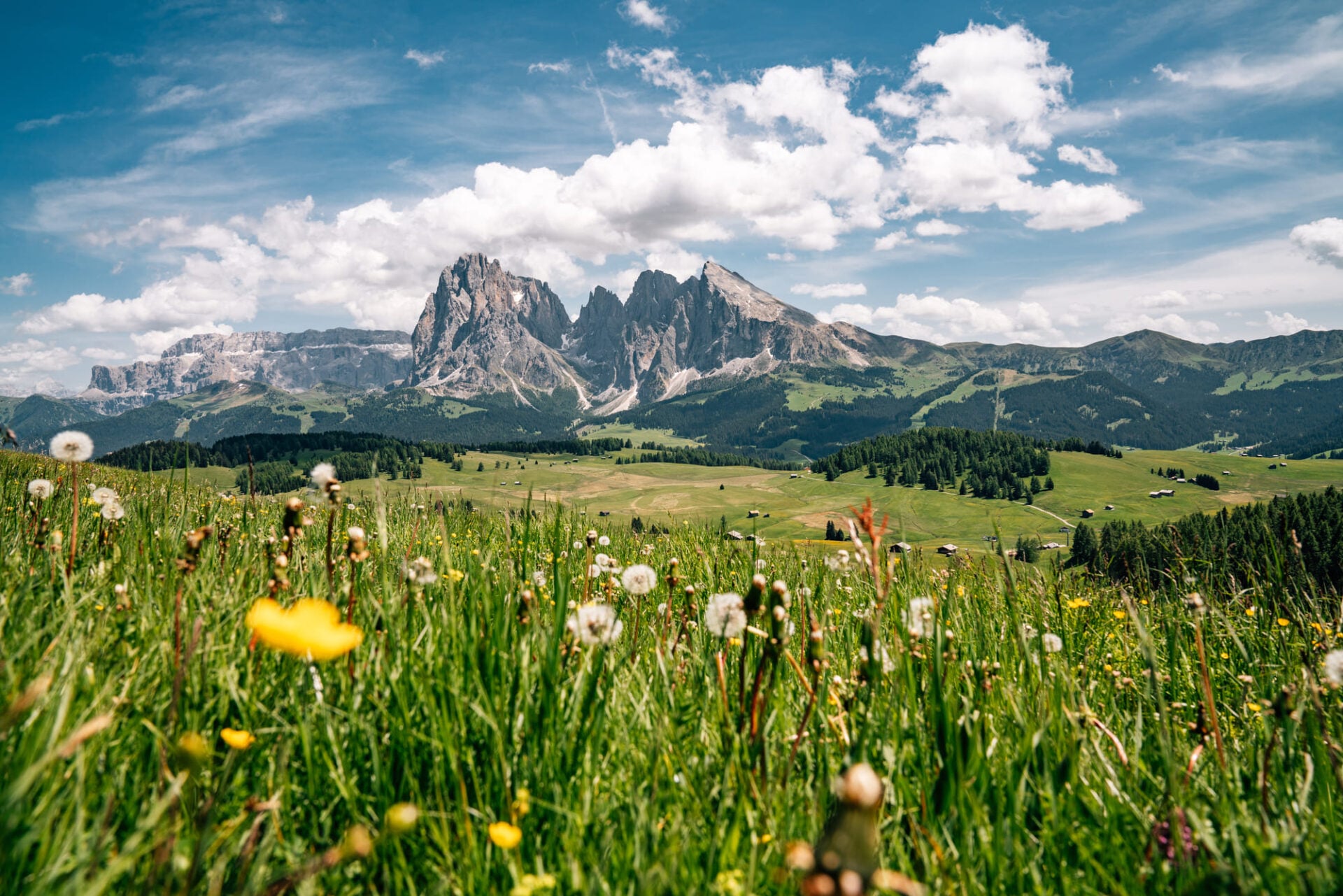
Lago di Sorapis in the Dolomites
What do people think of Trail Running in Europe?
Kevin O.

Excellent trip and holiday combining my love of running in different and stimulating locations whilst enjoying post run experiences in a new country. My wife joined me on this trip and although initially tentative around the trail running she loved the experience. Everything ran like clockwork, the camaraderie built through the week and of course the culinary aspect of the entire 8 days was first class to the point where one might have mistaken the package as a cultural and culinary journey with much needed beautiful running workouts the following day! Highly recommend this trip.

Lisa B.

Exceptional guides and drivers, a fantastic group of participants and a beautiful location! The runs, the food and the wine were all epic! I would highly recommend adding this trip to your bucket list.

Stephanie F.

One of the best tours I’ve ever done – and I work in adventure tourism!
Edu, our guide, was so helpful, so kind, and so professional. Communication with the company was easy. Can’t recommend them highly enough. Everything was perfect!

Frequently Asked Questions About Trail Running in Europe

  • Not for every trip, but you do need to be honest about your fitness. Trail running in the mountains asks more of you than road running—the terrain is technical, the elevation gains are real, and days can be long. Most of these trips require a solid aerobic base, meaning you should be comfortable running regularly and handling multi-hour efforts on your feet.

    That said, the range across these trips is genuinely wide. Some are structured coaching camps designed to bring competent runners into mountain terrain for the first time. Others are multi-day route adventures built for experienced trail runners. Each trip page is clear about what’s required, so read it carefully and be honest with yourself. If you’re unsure, get in touch — it’s better to find the right trip than to show up underprepared.

  • For the Alps and Dolomites, the trail running season runs from roughly late June to mid-October. Below that window, high passes can still be snow-covered and mountain huts are closed. July and August are peak season with the best conditions and the longest days, though popular areas like Chamonix get busy. September is excellent — quieter trails, cooler temperatures, and autumn colors starting to come in.

    Beyond the Alps, the window is broader. Spain’s Guadarrama Mountains are best in spring and autumn when the heat is manageable. Ireland runs year-round but is most enjoyable from May to September. Slovenia and Croatia are at their best from May through October. Each trip page includes specific seasonal guidance so you know exactly what to expect.

  • The essentials for trail running in Europe, particularly in the Alps:

      • Trail running shoes with proper grip and some ankle support. This is non-negotiable — road shoes on mountain terrain are a bad idea.
      • Running pack or vest for carrying water, food, a layer, and a basic first aid kit on longer days.
      • Waterproof jacket that packs small. Mountain weather changes fast and altitude makes it faster.
      • Trekking poles — optional but genuinely useful on big climbs and technical descents, especially on multi-day trips.
      • GPS watch — helpful for tracking effort and navigation on longer routes.

    Your trip will include detailed gear guidance specific to the routes and conditions you’ll encounter. Don’t overbuy before you’ve read it.

  • Yes on all trips, though the format varies. Guided trips are led by professional local guides with extensive knowledge of the specific routes, terrain, and mountain conditions. They handle navigation, manage the day on the ground, and make the calls that keep the group safe in changing mountain weather.

    On coached camps, you get all of the above plus structured feedback on your technique, pacing advice, and the kind of expert input that makes you a genuinely better mountain runner. Either way, you’re not out there alone. Local knowledge in the Alps is not a nice-to-have — it’s what turns a good trip into a great one.

Get in touch
We’re happy to answer any of your questions. Send us an inquiry or talk to one of our adventure planners free of charge.
Need help finding a perfect adventure?
We're happy to answer any of your questions. Send us an inquiry or talk to one of our adventure planners free of charge.
Saved to bucket list
Removed from bucket list

Choose a currency

  • USD - $
    US Dollar
  • EUR - €
    Euro
  • AUD - AU$
    Australian Dollar
  • CAD - CA$
    Canadian Dollar
  • GBP - £
    British Pound Sterling
  • CHF - CHF
    Swiss Franc
  • JPY - ¥
    Japanese Yen
  • SGD - S$
    Singapore Dollar
  • HKD - HK$
    Hong Kong Dollar
  • DKK - Dkr
    Danish Krone
  • NOK - Nkr
    Norwegian Krone
  • NZD - NZ$
    New Zealand Dollar