
When people ask me how to plan a trip to Iceland, I usually smile before I answer. Not because it’s difficult, and not because there’s a perfect formula, but because Iceland has a way of undoing expectations.
You can prepare carefully, read every guide, and plan every stop, and the country will still surprise you.
I was born and raised in Iceland, and I’ve spent most of my adult life hiking here. I’ve crossed rivers barefoot in early June, walked through snowfields under a midnight sun, and watched people fall silent when the landscape finally sinks in.
Iceland isn’t a place you rush through. It’s a place you move through slowly, step by step, often with the wind reminding you who’s in charge.
So if you’re wondering how to plan a trip to Iceland, this Iceland travel guide is exactly how I’d explain it to you — walking together into the highlands or sitting in a hut with wet socks drying nearby.
Where is Iceland?
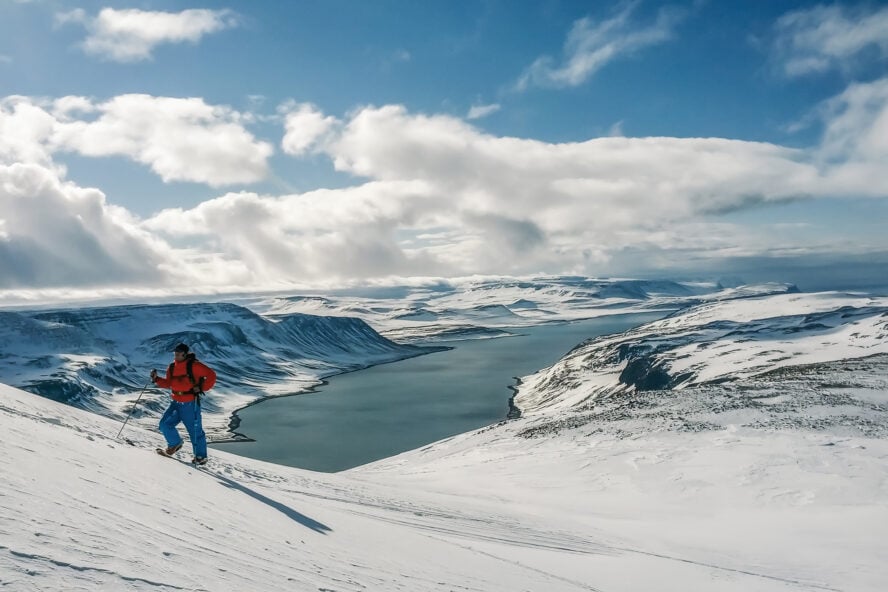
Iceland sits alone in the North Atlantic, between North America and Europe, closer to Greenland than most people realize. That isolation matters. You feel it quickly, especially once you leave Reykjavík behind.
Most visitors arrive at Keflavík International Airport, then spend a night or two in the capital before heading out. Reykjavík is lively, compact, and easy to enjoy, but it’s only a starting point. When people talk about wanting to really visit Iceland, what they usually mean is leaving the city and entering the landscapes that feel open, raw, almost alien, and uninhabited.

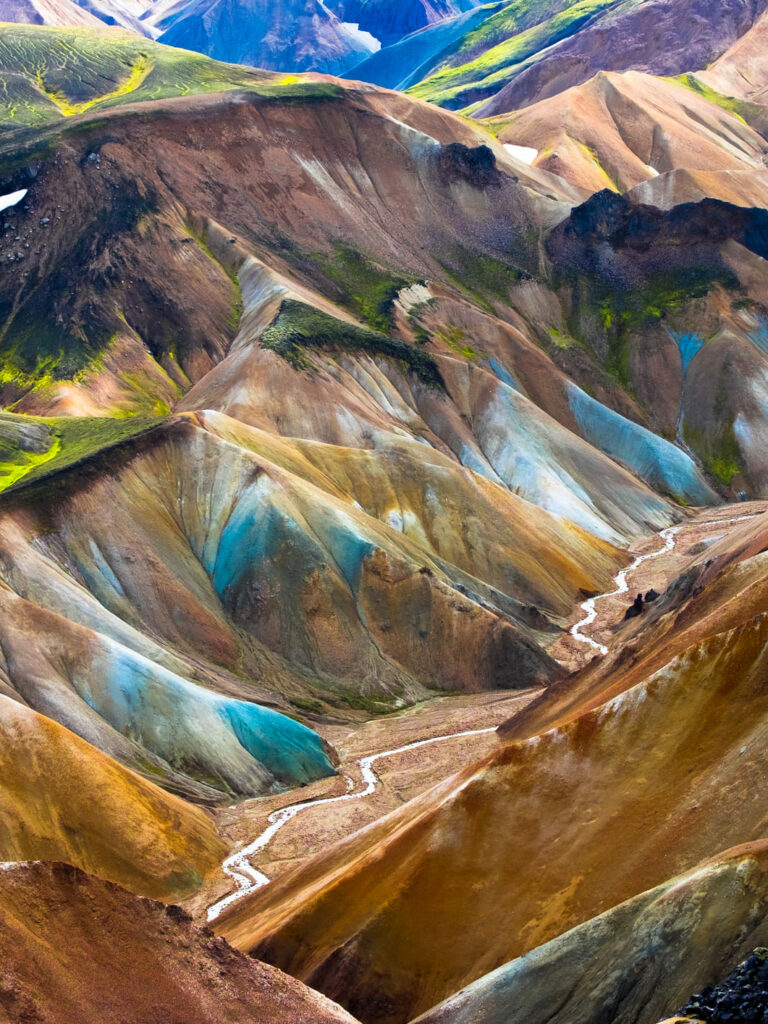
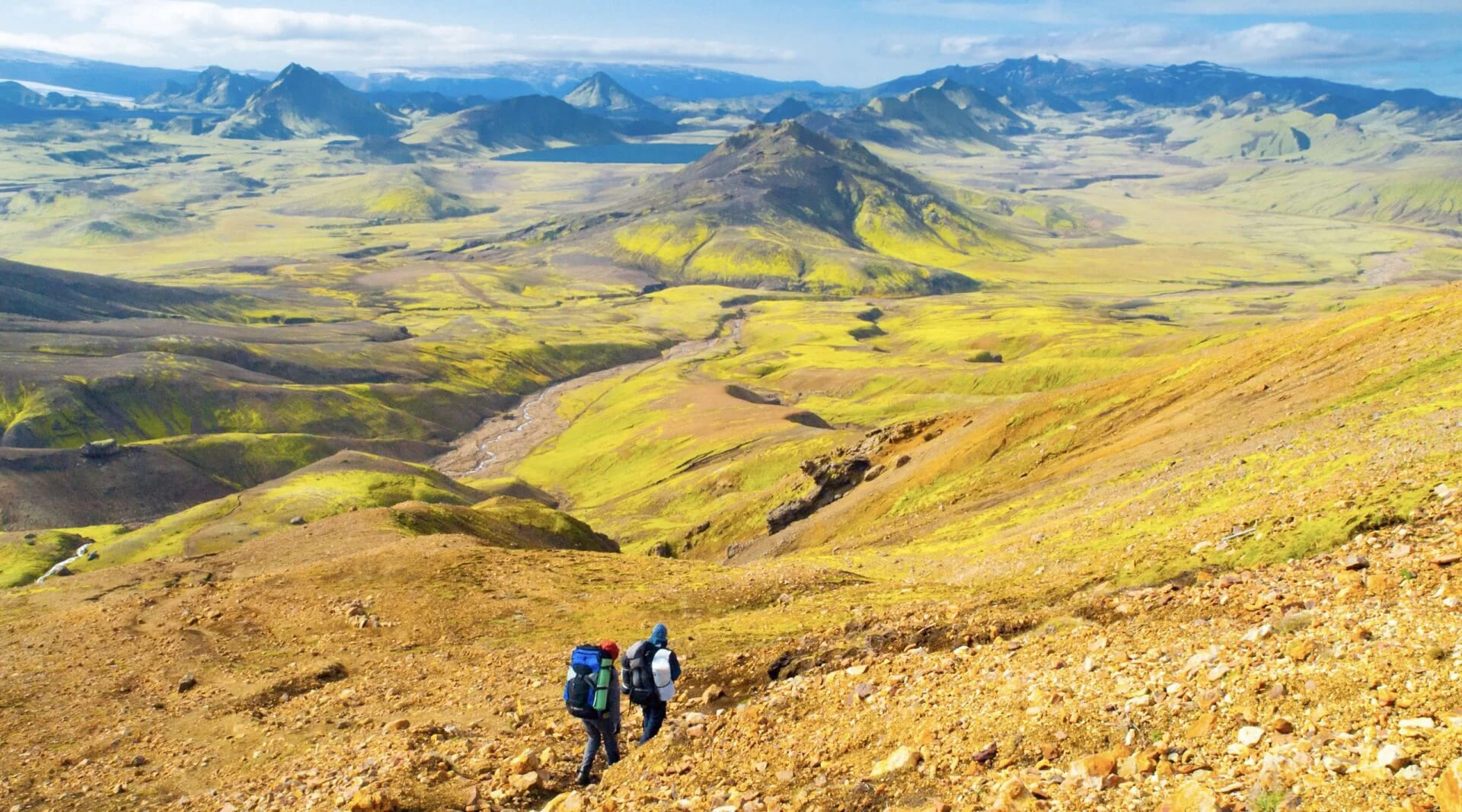
For me, the true heart of Iceland is the highlands. This is where roads are seasonal, where trails are sometimes barely marked, and where you can walk all day without seeing another person.
When I guide hikes there, people often comment on the silence. It’s not empty. It’s just uninterrupted. That sense of space is central to understanding how to plan a trip to Iceland.
Why is Iceland called Iceland?
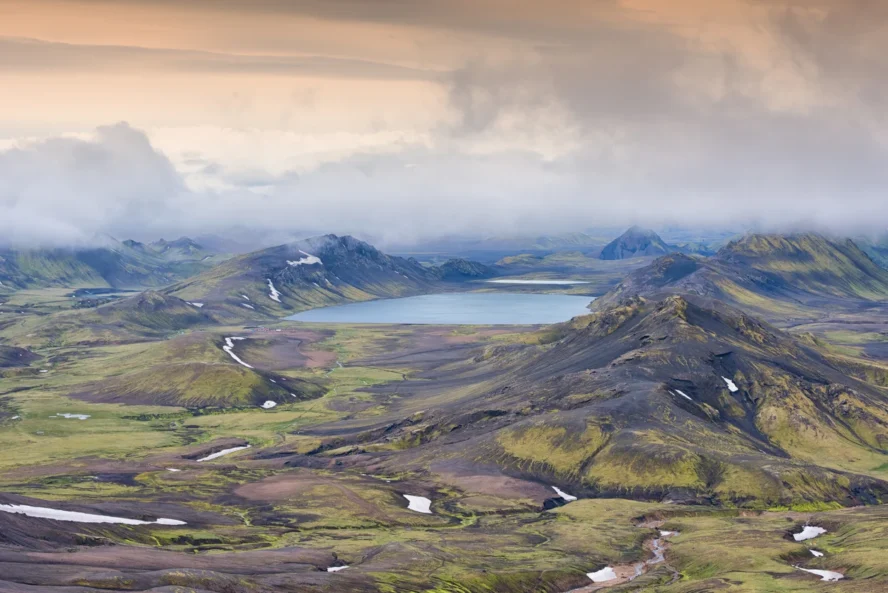
The name “Iceland” comes from an early settler who saw drift ice in a fjord and decided to name the island accordingly. Whether it was meant as a warning or simply a description doesn’t really matter. The irony is that Iceland is far more varied than its name suggests.
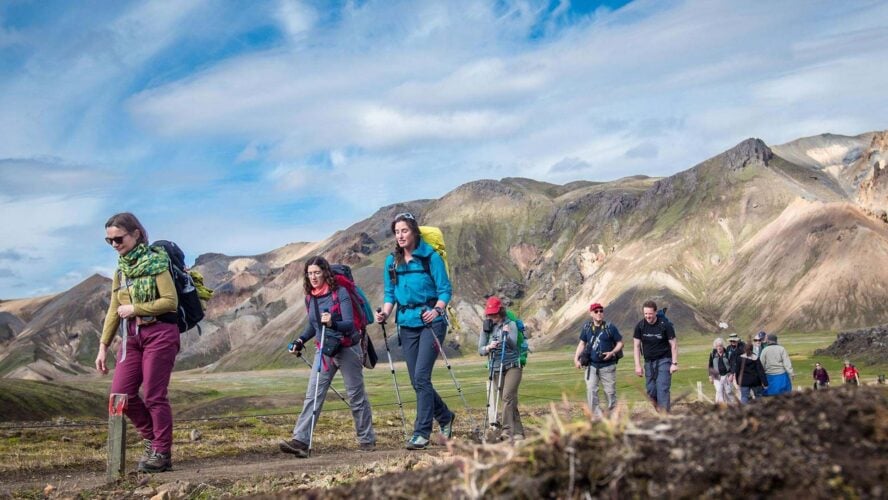
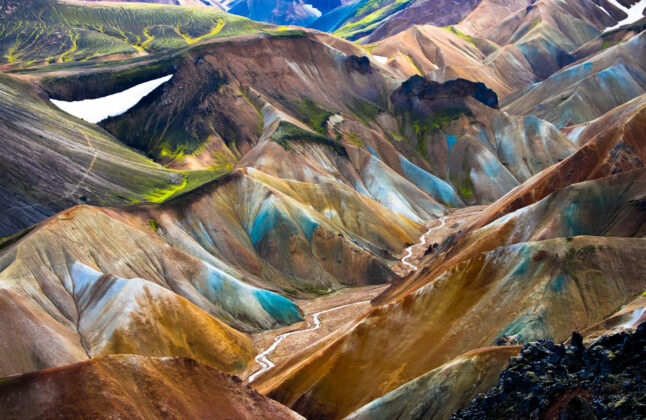
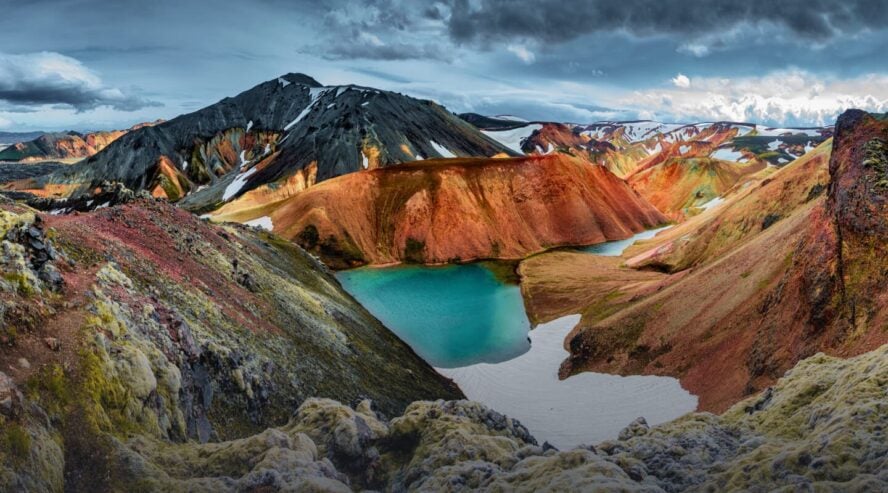
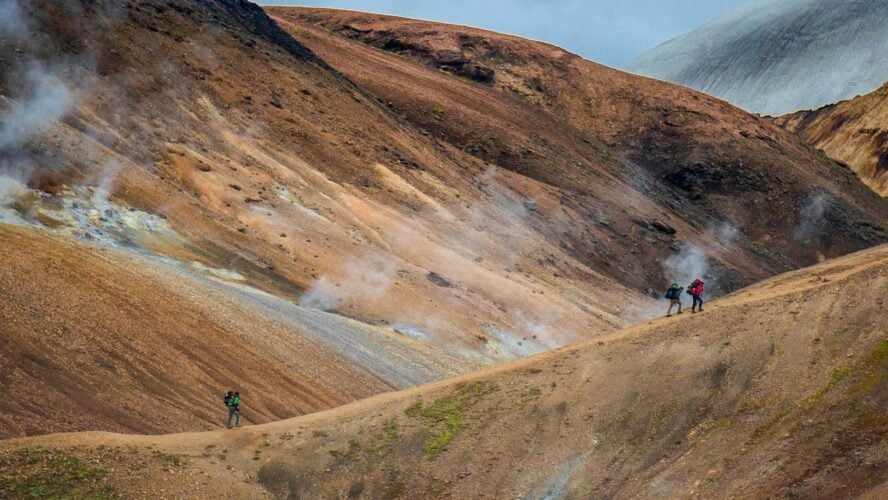
On hikes like the Laugavegur Trail, you move through geothermal areas with steaming vents, across black sand deserts that feel otherworldly, and into green valleys surrounded by glaciers.
I often tell people that in Iceland, you don’t need to travel far for the landscape to completely change. That constant contrast is one of the reasons hiking here never feels repetitive.
People sometimes ask me what Iceland looks like compared to other places. I really don’t have a good answer. I’ve heard it described as Alaska and Hawaii combined, and while that makes me laugh, it’s not entirely wrong.
Still, Iceland is its own thing, and understanding that helps when you’re learning how to plan a trip to Iceland without forcing it into familiar categories.
What language do they speak in Iceland?
We speak Icelandic, and yes, it looks intimidating. Long words, unfamiliar letters, place names that seem impossible to pronounce. But language is rarely an issue for travelers.
Almost everyone speaks English, especially in tourism, guiding, transportation, and hospitality.
What matters more is cultural tone. Icelanders are direct, practical, and generally happy to help, but we’re also used to dealing with nature on its own terms. When the weather turns, we don’t fight it. We adapt.
That mindset becomes important as soon as you start thinking seriously about how to plan a trip to Iceland, especially if hiking is involved.
What surprises people most about Icelandic landscapes
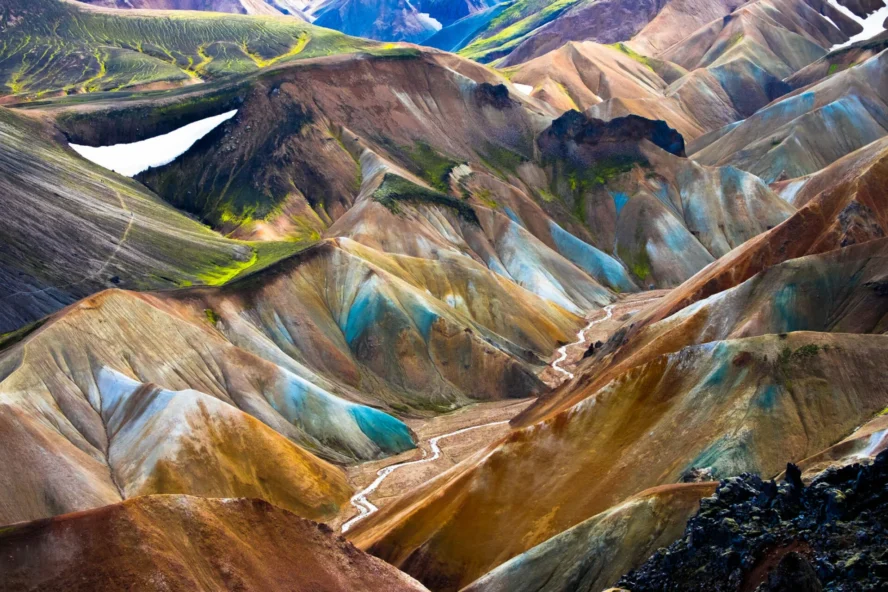
Even people who’ve seen hundreds of photos are often surprised when they arrive. Iceland looks familiar in pictures, but it feels very different in person.
One reason is scale. Distances are larger than they appear, and landscapes feel more open.
Another is contrast. You can walk from bright green hills into black volcanic sand in minutes. Steam rises from the ground, rivers cut through lava fields, and glaciers sit quietly in the distance.
There’s also a sense of exposure that surprises people. Trees are scarce in many areas, and weather moves freely across the land. You feel part of the environment rather than sheltered from it. For some, that’s intimidating at first. For others, it’s deeply freeing.
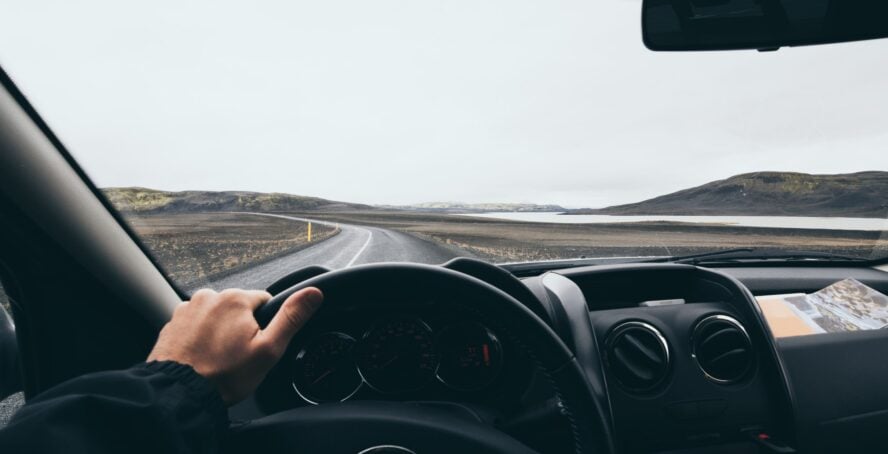
This is why hiking in Iceland changes people’s perception of it. From a car window, it’s beautiful. On foot, it’s immersive. That difference matters when choosing how you want to experience the country.
When is the best time to visit Iceland?
This is one of the most common questions I get, and the answer always starts the same way. The best time to visit Iceland depends on what you want to do.
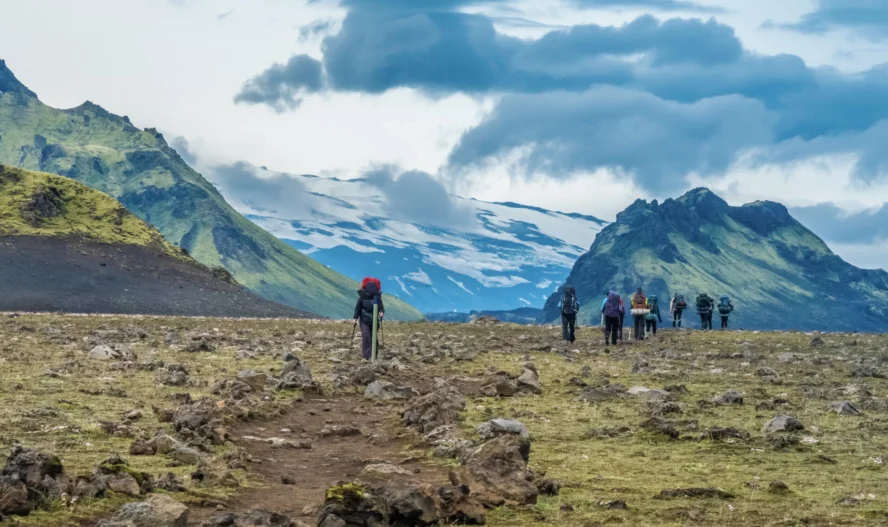
For hiking and trekking, the main season runs from mid-June to mid-September. That’s when the highlands are accessible, mountain huts are open, and routes like Laugavegur, Þórsmörk, and the volcanic trails can be done safely and enjoyably.
Early season, especially mid-June, often means snow in the mountains. I’ve guided many trips where people were nervous about walking on snow at first, only to realize that it actually makes certain sections easier. Snow fills gullies that later in the season require steep descents and climbs.
Late season tends to be snow-free but can involve more uneven terrain.
Weather, however, is always unpredictable. We joke about having four seasons in a day, but it’s not really a joke. Conditions can change within hours.
This unpredictability is something you must accept when thinking about how to plan a trip to Iceland. Preparation matters more than prediction.
Personally, my favorite time is June and early July. The daylight is nearly endless. You finish hiking, eat dinner, and suddenly realize it’s midnight and still bright. Birds are singing, the sun hangs low but never quite disappears, and you feel like time has stretched.
Sleep comes second to experience then, and most people don’t mind.
When can you see the northern lights in Iceland?
Northern lights require darkness, so summer hiking season mostly rules them out. The main aurora season runs from September through April. That said, there is a brief overlap in late August when nights begin to darken again.
I’ve seen northern lights in early September while guiding hikes, sometimes without any effort at all. You step outside a hut late at night, maybe to walk to the bathroom, and the sky suddenly starts moving. It’s quiet, subtle, and then overwhelming.
If you want to know how to plan a trip to Iceland and see the aurora as well, aim for late August or September and accept that clouds have the final say. No amount of planning guarantees northern lights.
Volcanoes in Iceland: what travelers should know
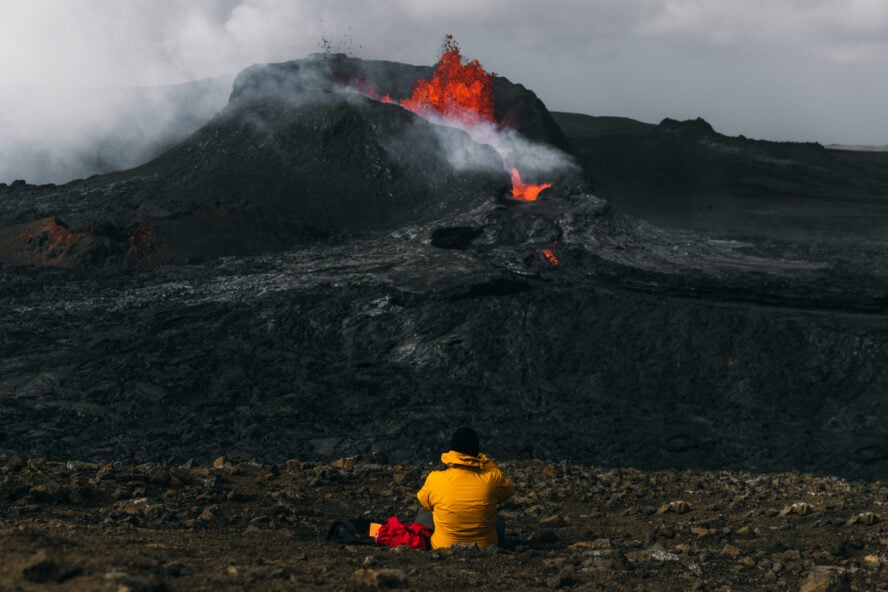
Volcanoes come up in almost every conversation about Iceland, especially for people planning their first visit.
They are an important part of life in Iceland, and they’re monitored constantly. Eruptions happen here on average every few years, but most are localized and don’t affect travel.
Recent activity on the Reykjanes Peninsula has raised questions, but international flights, roads, and hiking routes have continued to operate normally.
What’s important to understand when planning a trip to Iceland is that not all eruptions are explosive. Many are slow-moving fissure eruptions with lava flowing steadily rather than ash filling the air.
When conditions change, authorities act quickly and clearly. For travelers, this usually means staying informed, not worried.
Weather in Iceland and how it shapes your trip
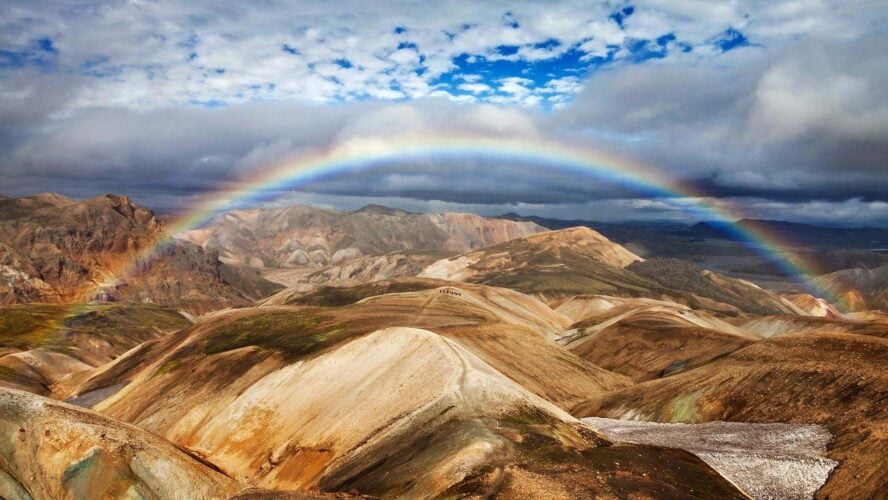
People talk about Icelandic weather a lot, but it’s hard to understand what that actually means until you experience it.
Weather here doesn’t just affect comfort, it affects pacing, routes, and sometimes decisions made on the spot. That’s not a bad thing, but it’s something to be aware of when planning.
Forecasts are useful, but they’re not promises. I’ve changed routes mid-day more times than I can count, not because things were dangerous, but because Iceland rewards people who pay attention early.
A sunny morning can turn into rain by afternoon, and a calm day can become windy very quickly. This is especially true outside of cities and in the highlands. I always tell people that Icelandic weather isn’t something to fear, it’s something to work with.
When plans are flexible, weather becomes part of the experience rather than a problem. A rainy day can make colors deeper and waterfalls stronger. Wind can slow you down, but it also clears clouds and changes light in dramatic ways.
The people who enjoy Iceland the most are usually the ones who accept these shifts instead of fighting them. Understanding this early helps when you’re learning how to plan a trip to Iceland.
You don’t need perfect conditions to have a great experience.
Why flexibility matters more than a perfect itinerary
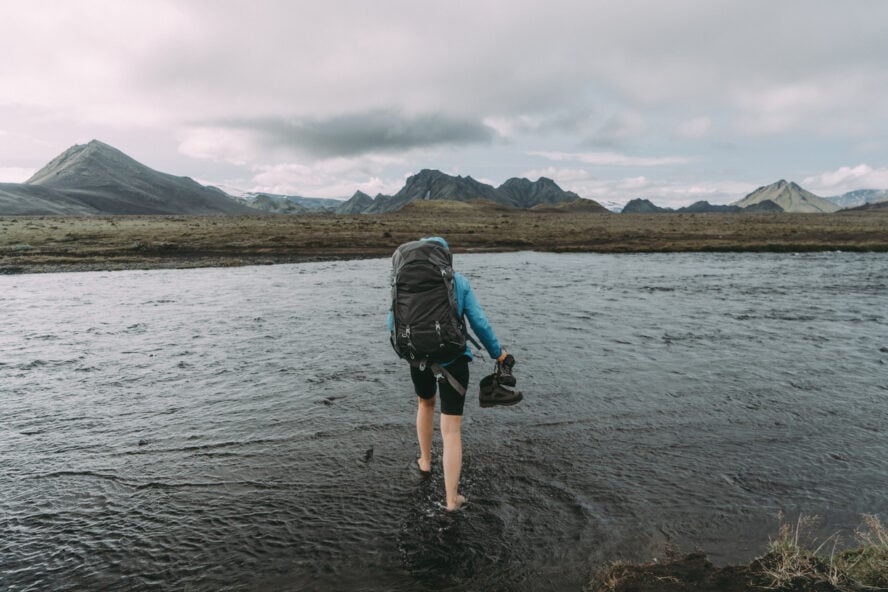
One of the biggest differences between a smooth trip and a stressful one is flexibility. Iceland doesn’t respond well to tight schedules, especially when you’re moving through nature.
I’ve met many travelers who planned every hour of their trip in advance. Sometimes it works, but often it creates pressure. A closed road, a delayed ferry, or bad weather can throw everything off. When there’s no room to adapt, frustration builds quickly.
On the other hand, when people allow extra time, something interesting happens. Detours become discoveries. Weather changes feel like part of the story. You’re able to stay longer somewhere that feels right and move on more quickly from places that don’t.
This doesn’t mean planning less. It means planning smarter. Build in buffer time. Choose fewer locations and experience them more deeply. It’s rarely the packed schedule people remember later.
How much is a trip to Iceland?
Iceland is not a budget destination, and I think it’s better to be honest about that from the start. Food, accommodation, and transport all cost more than in many other countries.
Guided hiking trips cost more than self-driving because of logistics. Huts are booked far in advance. Food is transported into remote areas. Vehicles navigate rough terrain and river crossings. Guides make real-time decisions when weather or conditions change.
I’ve reversed routes because roads were closed and adjusted itineraries because snow made a pass unsafe.
If you’re looking for an exact number, I can’t really pinpoint it because prices vary widely depending on season, comfort level, and travel style.
What I can say is this: when people plan thoughtfully and spend money where it matters to them, they rarely regret it. Iceland rewards intention.
Is Iceland safe to travel to alone?
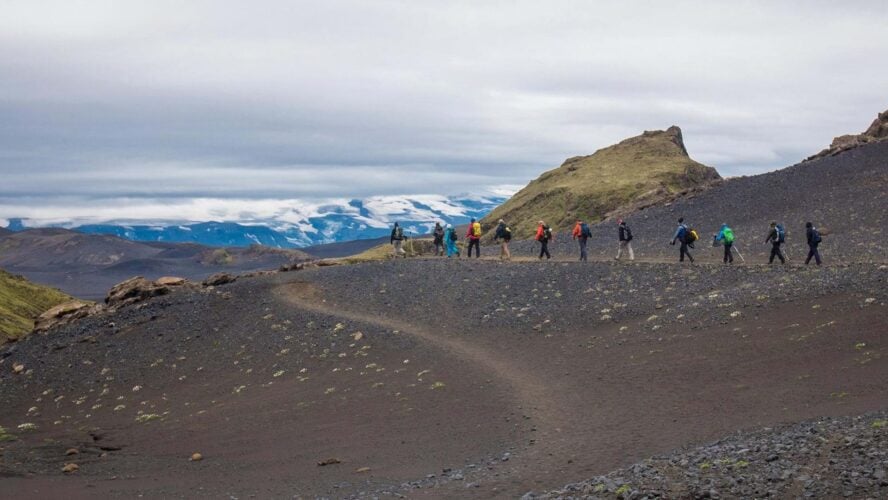
Absolutely. Iceland is one of the safest countries in the world, and solo travel is extremely common. I regularly guide people who arrive alone and leave with close friends.
That said, safety in Iceland is not about crime. It’s about nature. Weather changes fast. Rivers rise quickly. Trails can disappear under snow or fog. Most incidents happen because people underestimate conditions, not because they take reckless risks.
I’ve turned people around on days that looked fine on the forecast but felt wrong once we were out there, and those are always the decisions people thank me for later. If you’re hiking alone without experience in remote terrain, I recommend reconsidering.
Guided trips aren’t just about safety. They’re about understanding the landscape, learning how to move through it, and knowing when to adapt. When thinking about how to plan a trip to Iceland responsibly, that kind of experience matters more than most people realize.
What first-time visitors to Iceland usually get wrong
There are a few patterns I see again and again with first-time visitors, and they’re completely understandable. Iceland looks small on a map, and photos make it seem easy to move quickly from one highlight to the next. In reality, Iceland asks you to slow down.
The most common mistake is underestimating time and distance. Short drives often take longer than expected once you factor in weather, road conditions, and the simple fact that you’ll want to stop constantly. A waterfall, a change in light, or an amazing view you didn’t plan for can easily turn a five-minute stop into an hour.
Packing for temperatures instead of conditions is another big one. Wind and rain matter more than the number on the forecast. A mild day can feel cold very quickly if you’re exposed, which is why proper layers are so important.
People also tend to overplan. Iceland feels like a once-in-a-lifetime destination, so there’s a temptation to squeeze everything in. But tight schedules turn weather into stress. Leaving space allows you to adapt, and that’s when Iceland starts to feel enjoyable rather than demanding.
Finally, many assume that the most popular spots show the full picture. They’re beautiful, but some of the most memorable moments happen away from crowds, on quieter trails or at the end of a long day outside.
What to pack for a trip to Iceland
Packing correctly makes or breaks a trip here.
You need layers. Always. A breathable rain jacket, warm mid-layers, and wool base layers even in summer. Cotton has no place in the highlands. Good hiking boots with ankle support and a solid tread are important, especially on volcanic terrain and during river crossings.
I’ve seen people bring three pairs of jeans and forget a rain shell, and that usually becomes a lesson learned by lunchtime.
I always tell people to bring a swimsuit. Public swimming pools are a huge part of Icelandic culture. They’re clean, affordable, and social. Sitting in a hot pot after a long hike is one of the best experiences Iceland offers, and it’s not a luxury spa thing. It’s everyday life.
If you’re staying in huts, you don’t need a heavy sleeping bag. The huts are warm. I use a very thin bag myself, and many people are comfortable with just a liner. Also, don’t overpack. Space is limited, and carrying less makes everything easier.
How to choose the right kind of Iceland trip for you
One of the most important parts of planning Iceland travel isn’t where you go, but how you want to experience the country. I’ve guided people who loved the freedom of driving themselves, and others who were grateful they chose a guided trip once conditions became more challenging.
Self-drive trips work well for people who enjoy independence and flexibility, especially along the Ring Road in summer. If navigating and adjusting plans on your own feels exciting, an Iceland road trip can be a great fit.
Guided travel makes more sense for those drawn to remote areas and multi-day hikes. In the highlands, weather, rivers, and road access change quickly. Having someone who knows the terrain allows you to focus on the experience instead of logistics.
It’s also worth thinking about pace. Some people enjoy moving every day, while others prefer staying in one area and exploring different routes.
Group dynamics matter too. Many travelers arrive alone, and Iceland solo travel is common on guided trips. Shared effort has a way of turning strangers into easy companions.
When people ask me how to plan a trip to Iceland, this is often the turning point. Once you know how you want to move through the country, everything else becomes simpler.
How to travel around Iceland
Most people start in Reykjavík. From there, renting a car is the most common way to explore, especially if you’re planning an Iceland road trip along the Ring Road. Public transport exists but is limited outside cities.
The highlands are different. Roads open late, close early, and often require river crossings. Conditions change quickly. This is why guided transport works so well for interior routes. When a road is closed or weather shifts, we adjust. Flexibility is built into the plan.
If you’re researching places to visit in Iceland, remember that some of the most memorable ones aren’t easy to reach. They require patience, preparation, and often a guide who knows when to turn around and when to push onwards.
What’s the food like in Iceland?
Food often surprises people on a trip to Iceland, especially after a full day outdoors.
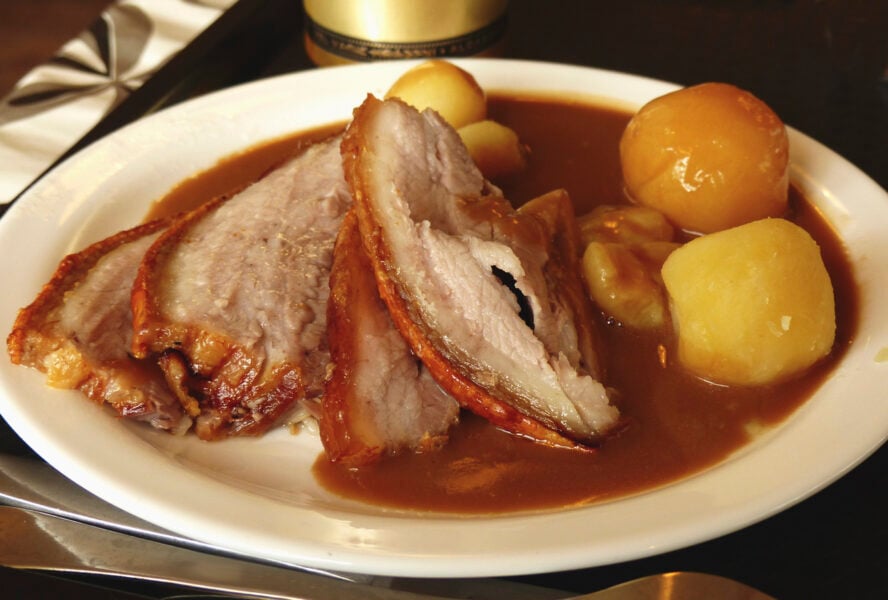
Traditional Icelandic cuisine developed out of necessity, shaped by what the land and sea could reliably provide. Fish, lamb, dairy, and preserved foods have long been staples, while things like fermented shark are more cultural references than everyday meals.
What you’re far more likely to eat is excellent lamb and very fresh fish. Lamb tastes different here because the sheep roam freely and feed on wild grasses and herbs, and fish is often caught the same day it’s served. After a long hike, simple food like soup and bread can feel perfect.
Reykjavík has a wide range of restaurants, from casual cafés to more refined spots, but I usually tell people not to overthink dining plans. Some of the best meals are straightforward and shared.
On multi-day hikes, food becomes a social part of the experience. We cook and eat together in the huts, and because luggage is transported between stops, meals can be much better than people expect. Warm dinners and solid breakfasts make a real difference when you’re hiking several days in a row.
Dietary restrictions are easy to accommodate with advance notice, including vegetarian, vegan, and gluten-free needs. I also always recommend visiting a public swimming pool and eating afterward. That combination of hot water, conversation, and a simple meal is a very Icelandic way to end the day.
Hiking in Iceland, and why it matters
For me, hiking is the best way to understand Iceland. When you walk here, you experience the landscape at its own pace. You feel the scale of the highlands. You notice how the ground changes under your feet, how the weather shapes your decisions, how silence becomes part of the experience.
I’ve guided classic routes like Laugavegur, quieter ones like the volcanic trails, and valley-based hikes in Þórsmörk where you stay in one place and explore different routes each day. Each has its own character, but they all share something essential. Remoteness.
There are places in Iceland where you don’t see another person all day. No roads. No buildings. Just land, weather, and movement. That’s becoming rare in the world.
People often arrive focused on logistics. They leave talking about feeling small, free, and deeply connected to the place. That’s why, when someone asks me how to plan a trip to Iceland, I tell them this.
Plan enough to be safe. Leave enough room to be surprised.
Every route we offer is one we know intimately, in all kinds of weather and conditions. If you want to experience Iceland with guides who live and hike here year after year, we’d love to share our passion with you.