Japan, and especially the Kansai region, is remarkably bike-friendly. Cycling is woven into everyday life, used by schoolchildren, working adults, and elderly residents alike for commuting to train stations, work, school, and shopping. It’s practical, not performative. Leisure cycling is less common; the bike is simply a trusted daily tool.
Patience is the core principle when it comes to etiquette. When approaching pedestrians from behind, the expectation is not to announce yourself or ring your bell to ask them to move, as that would feel pushy. Instead, you wait until it’s naturally safe to pass, then do so quietly. Shouting “on the right!” is not part of the culture, and the bell is reserved for genuinely dangerous situations, not as a casual heads-up.
At crosswalks, cyclists follow pedestrian signals, not vehicle signals, so you stop and wait for the pedestrian light just as a walker would. The unspoken priority on the road flows from pedestrians first, then cyclists, then cars. On a narrow street, a cyclist will pull to the side when safe to let a car through, and in the same situation, a car will simply follow patiently behind the bike without honking or pressuring until they can safely pass.
The defining word for the whole experience is patience. Nobody pushes their way through. Reading the situation and moving when it’s naturally safe, rather than forcing it, fits right in with how the road and honestly most of Japanese daily life is shared.

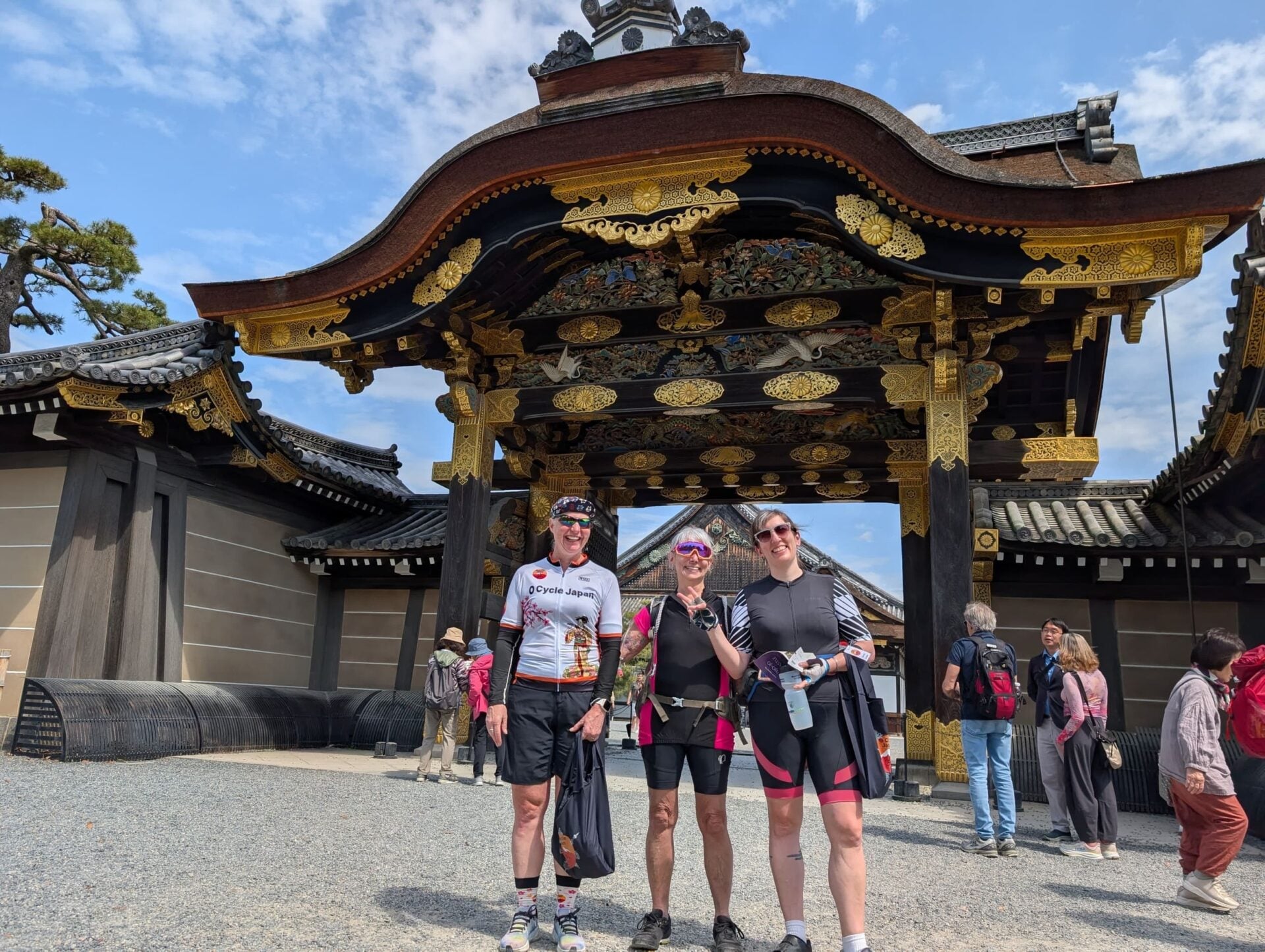

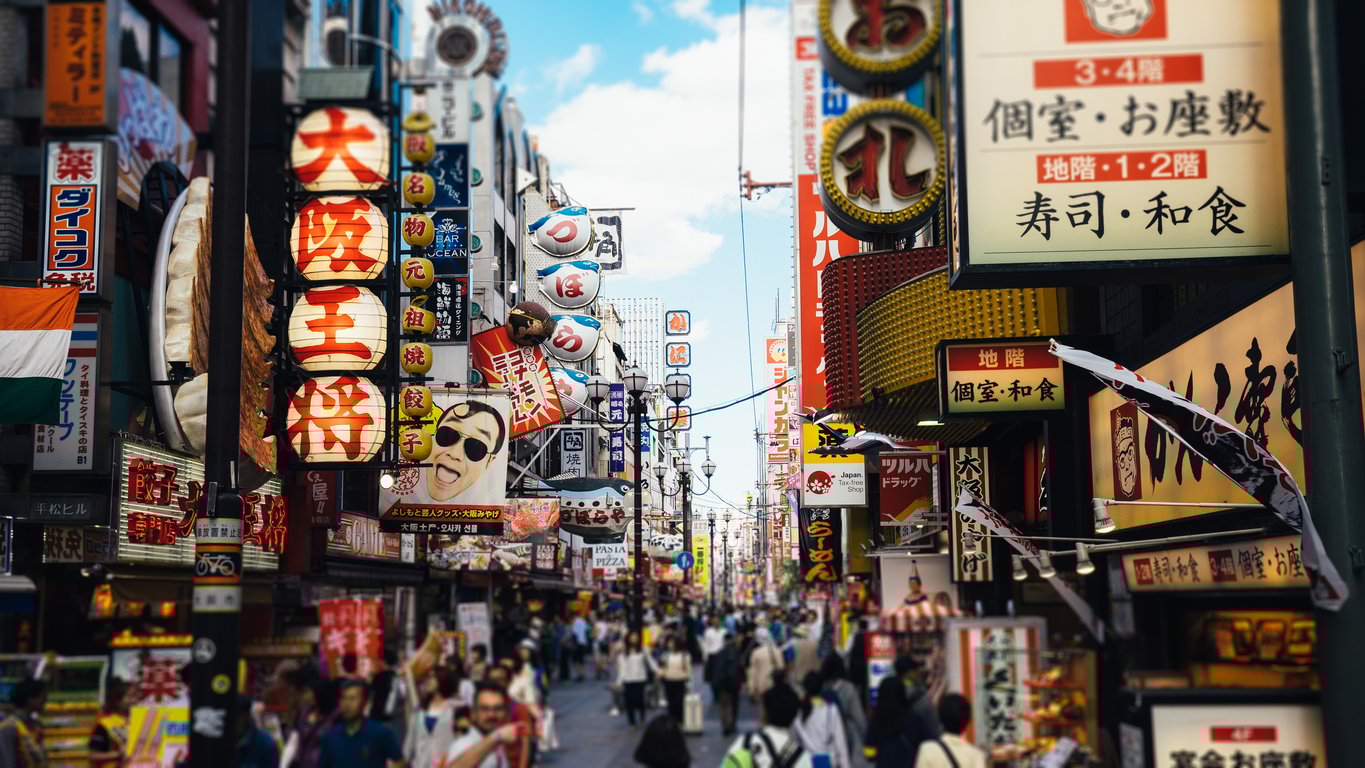
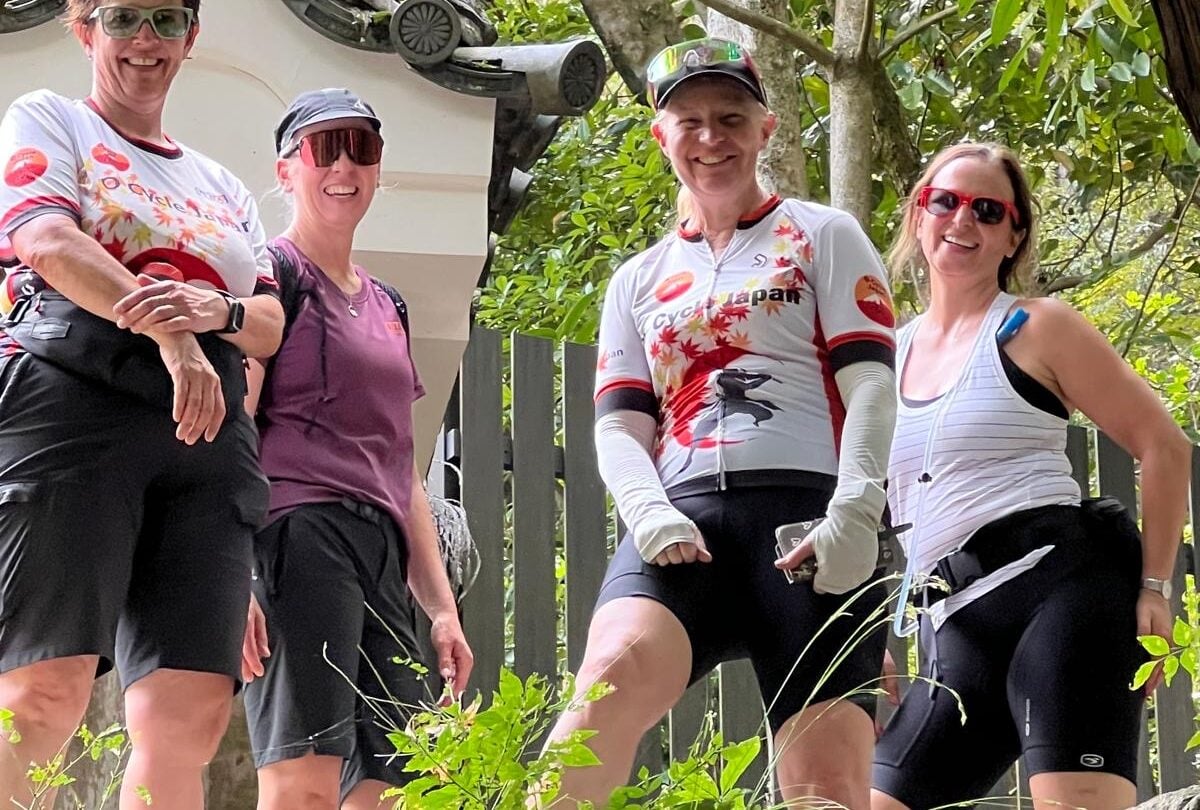

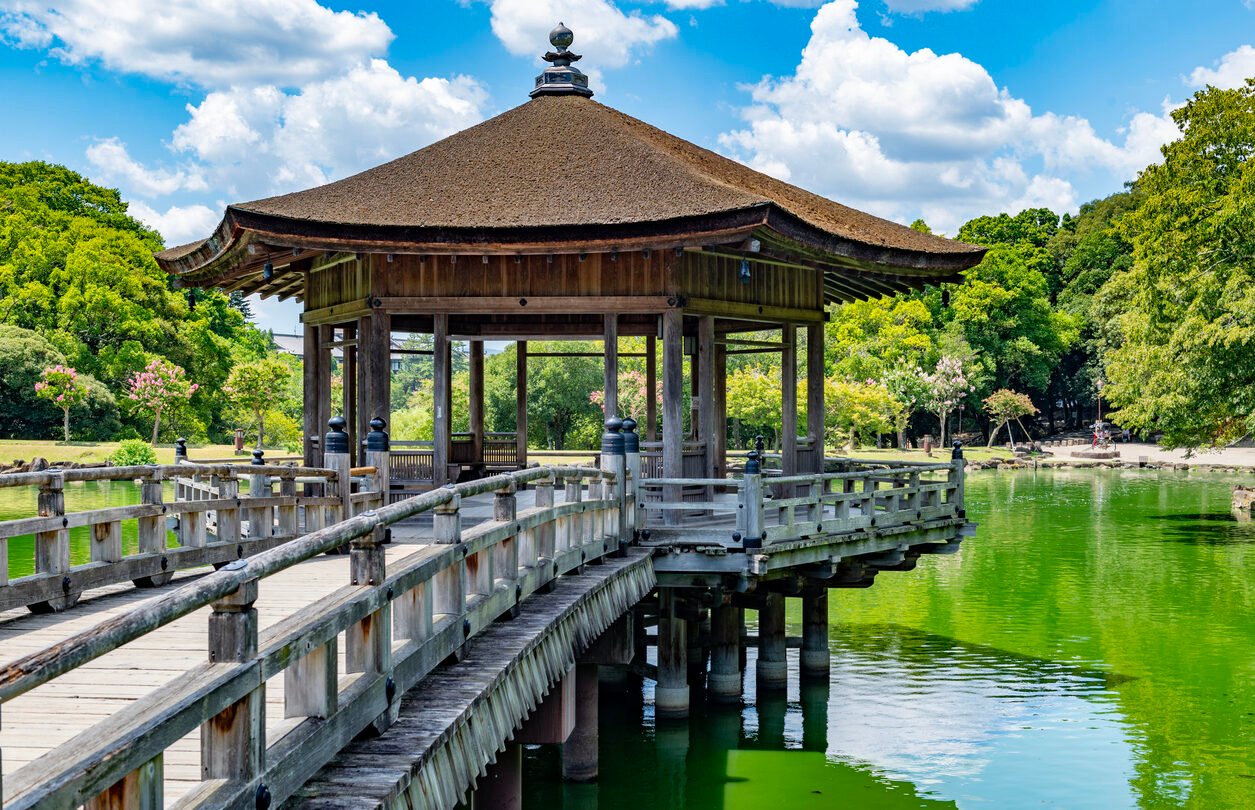
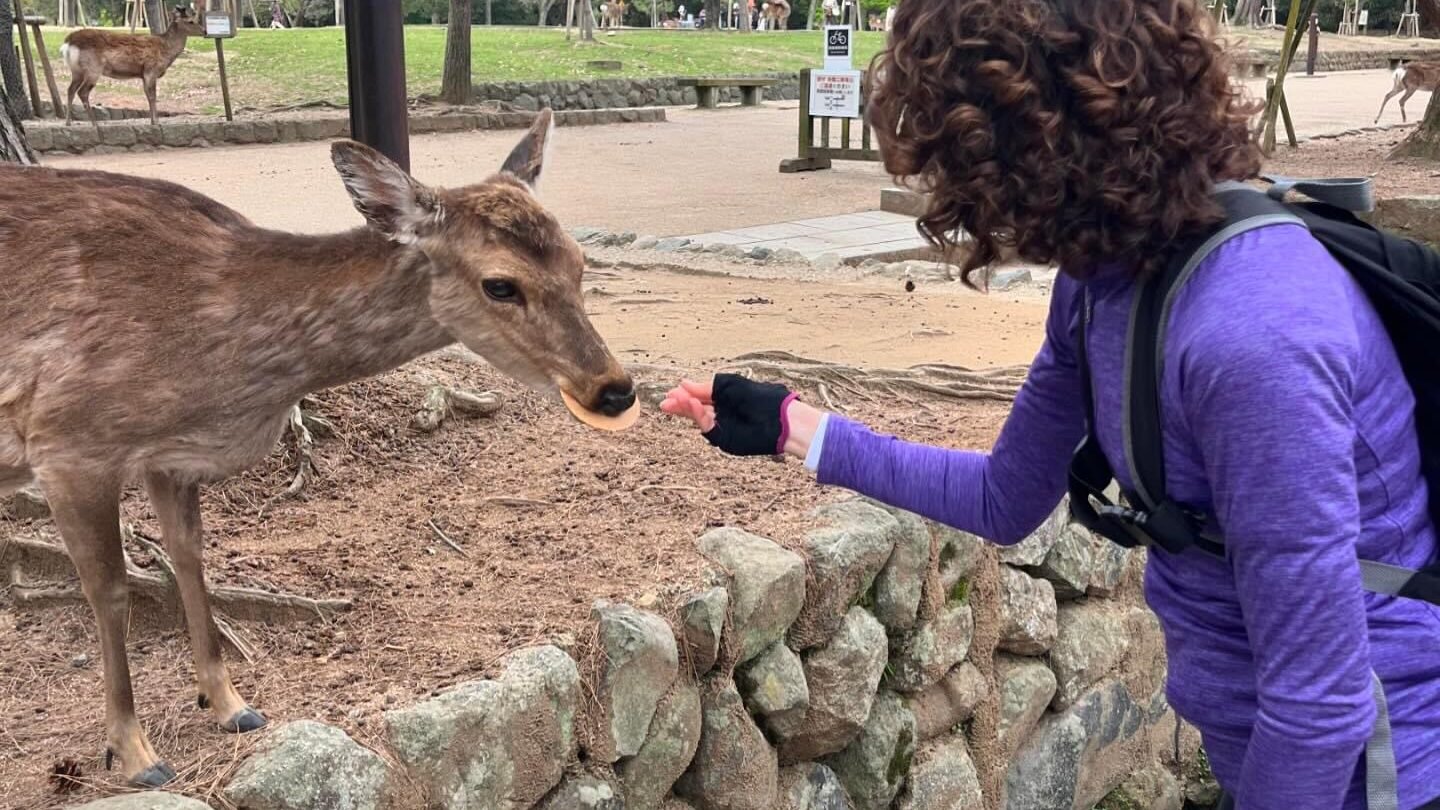
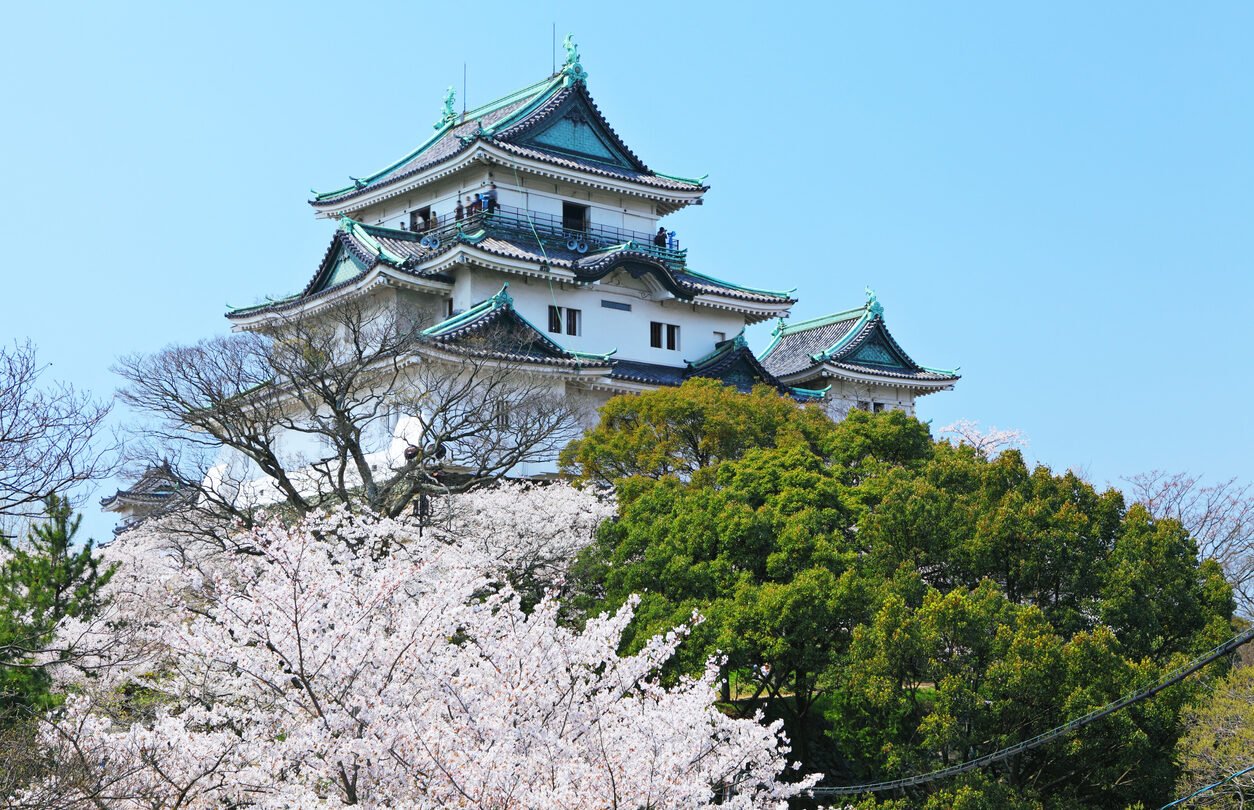
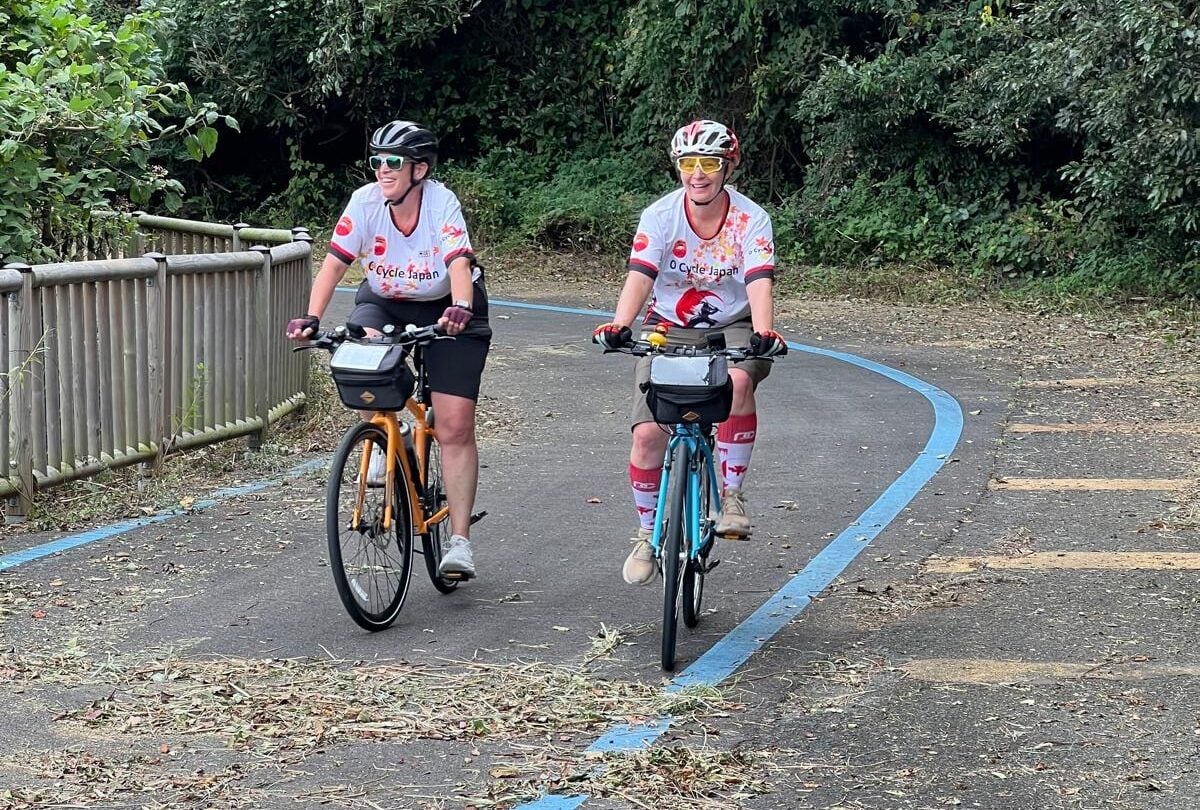
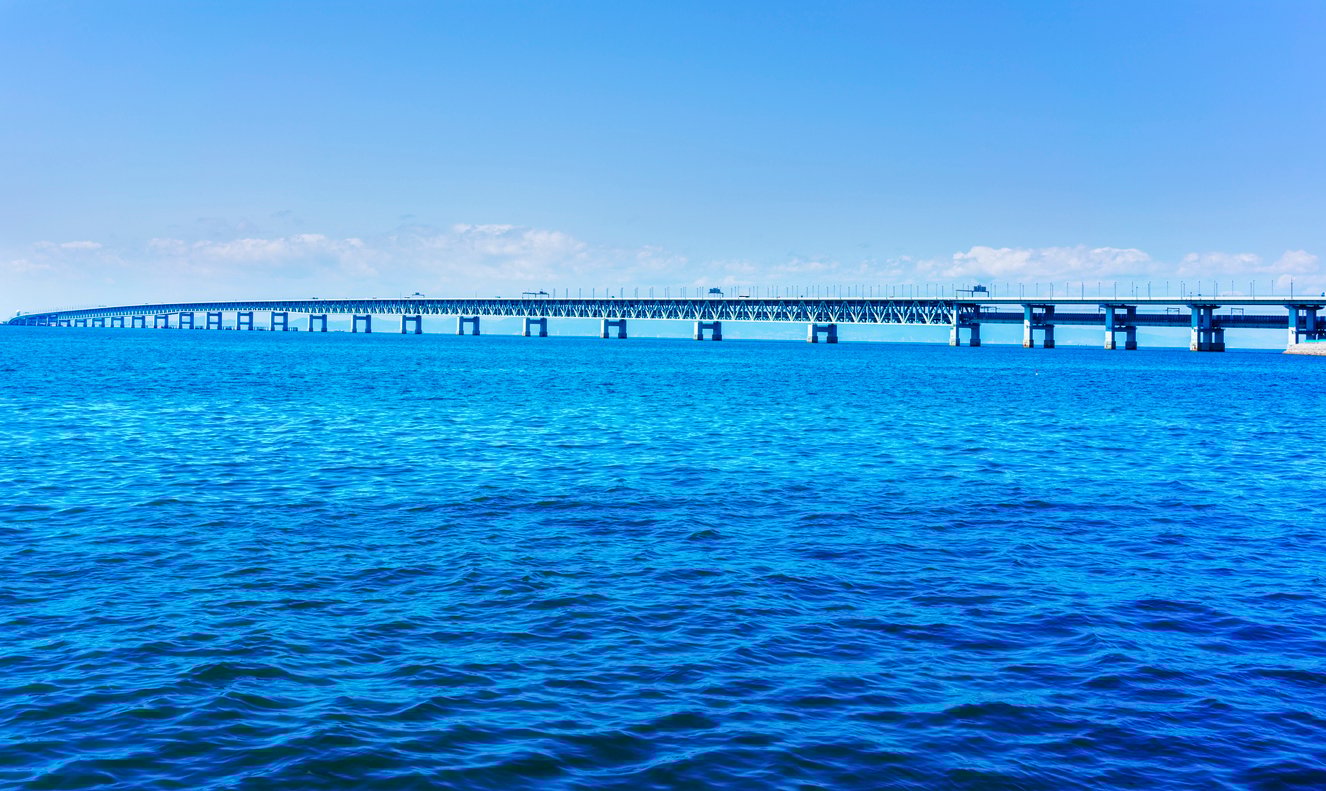



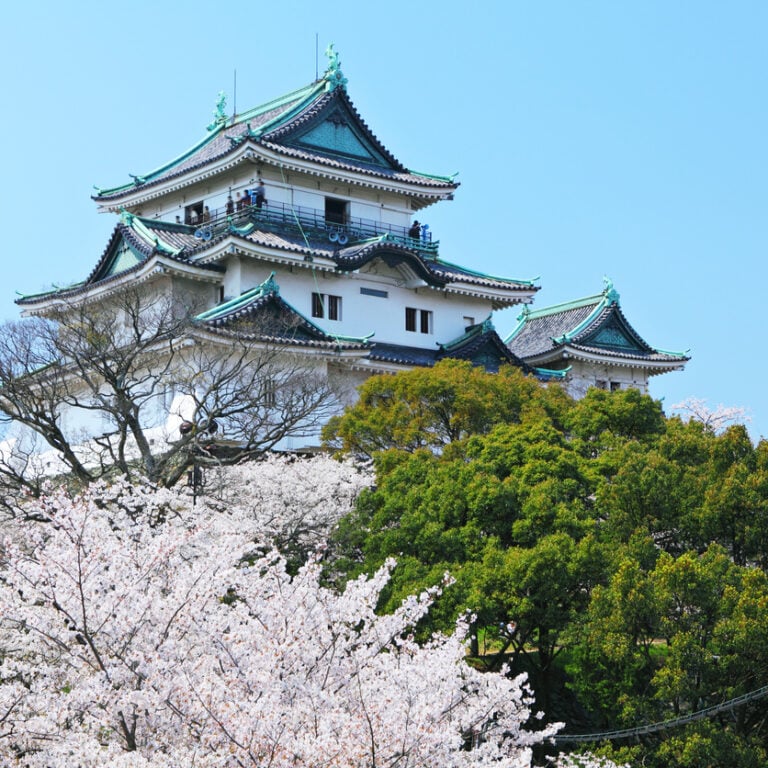
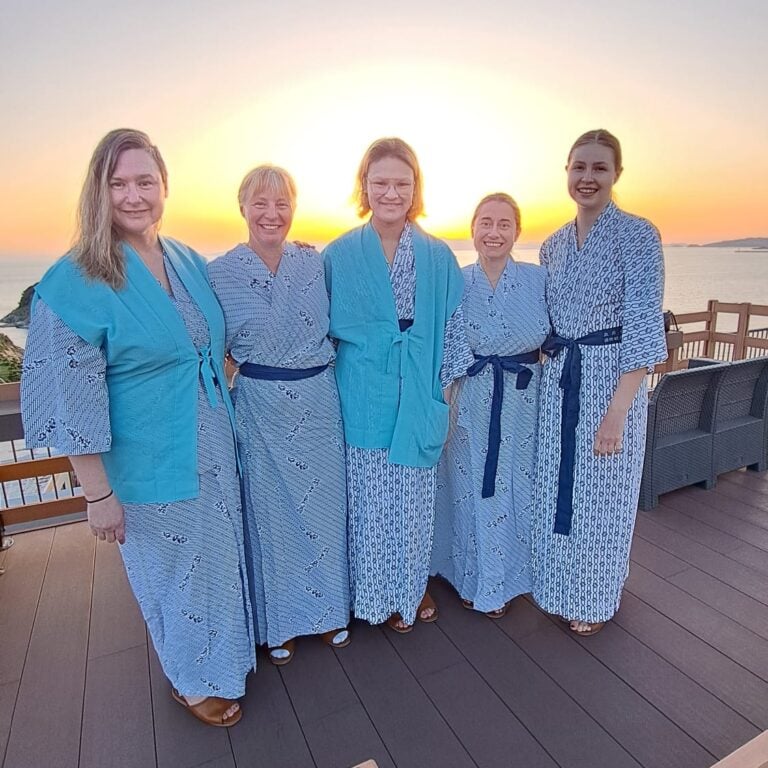
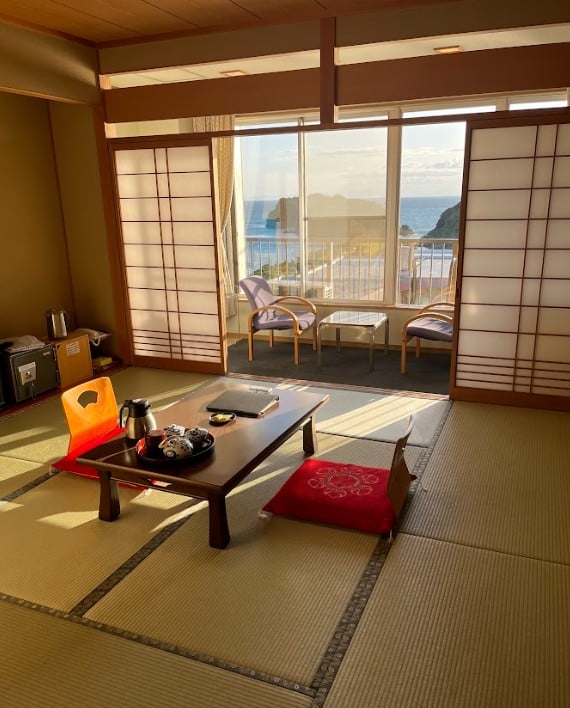





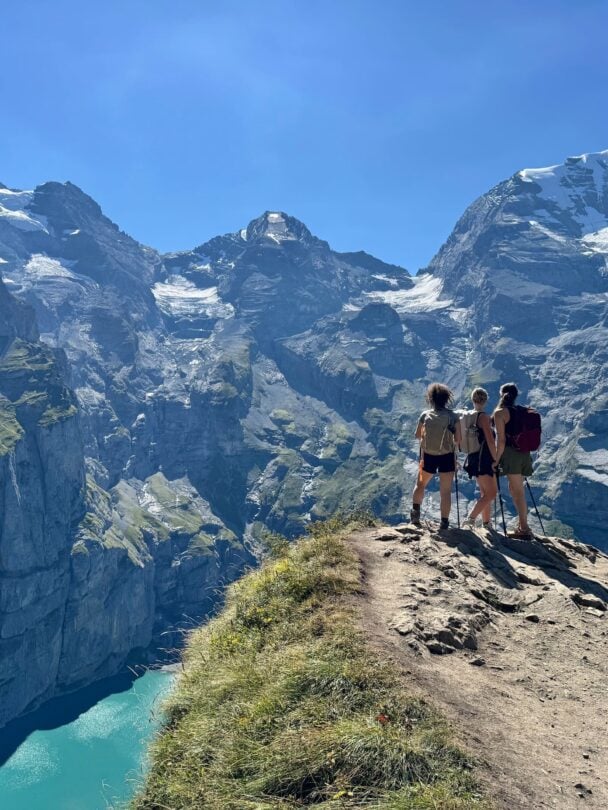

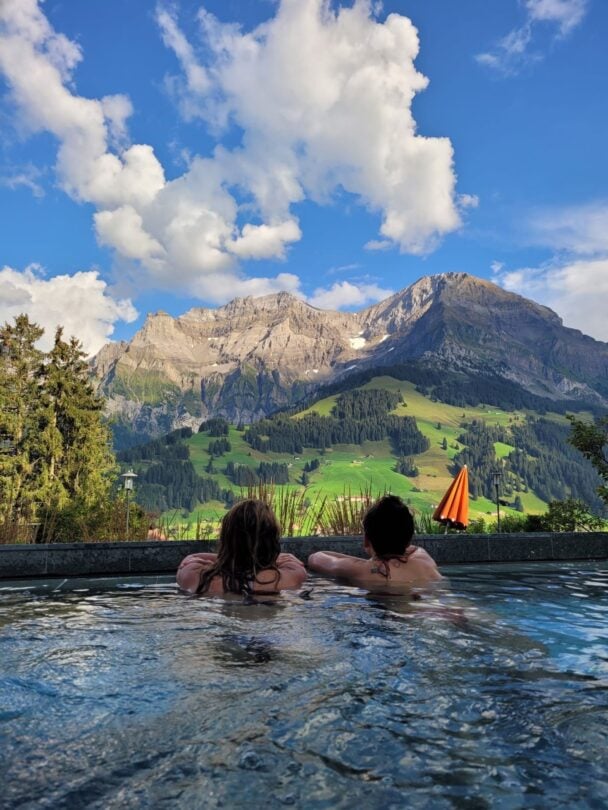
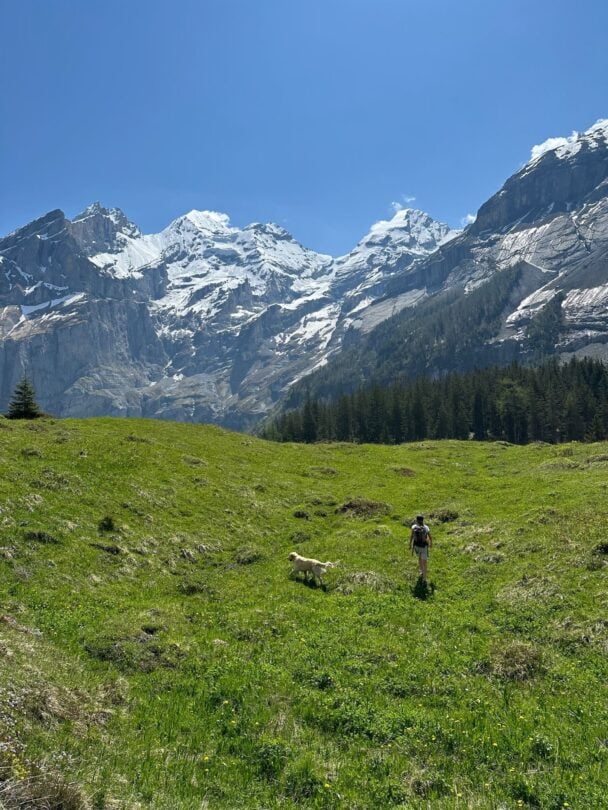
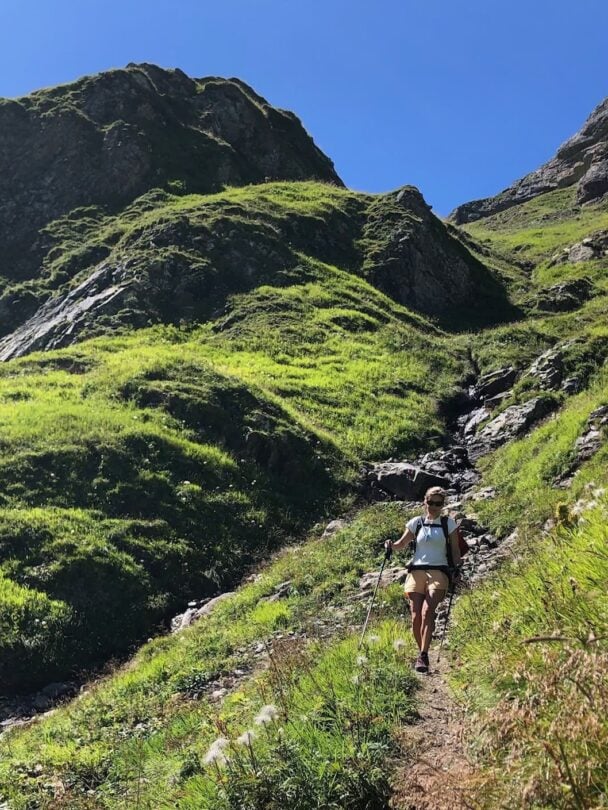


I feel sorry for people who don’t see Japan from the seat of a bicycle. See how people really live in Japan as you ride through neighbourhoods and farms, you can smell the rice as you ride through the rice fields. Shelley and Masato have curated an experience for you that is the perfect blend of culture, food, and sightseeing. From Shrines and Temples, Restaurants, Ocean views, and Castles to staying at a Monastery one night. The hotel onsens (hot baths) were the perfect salve after a day of biking. Don’t forget to stop at the Sake breweries!!