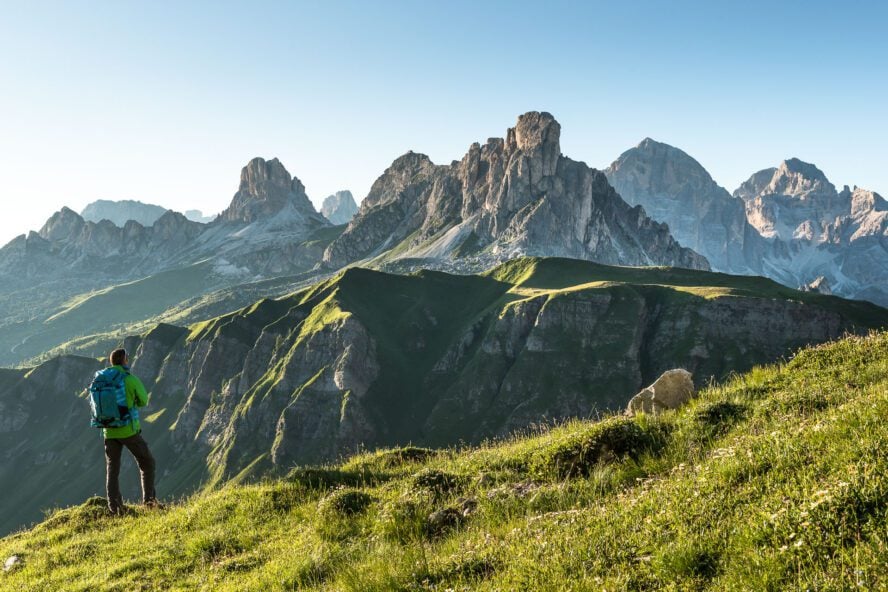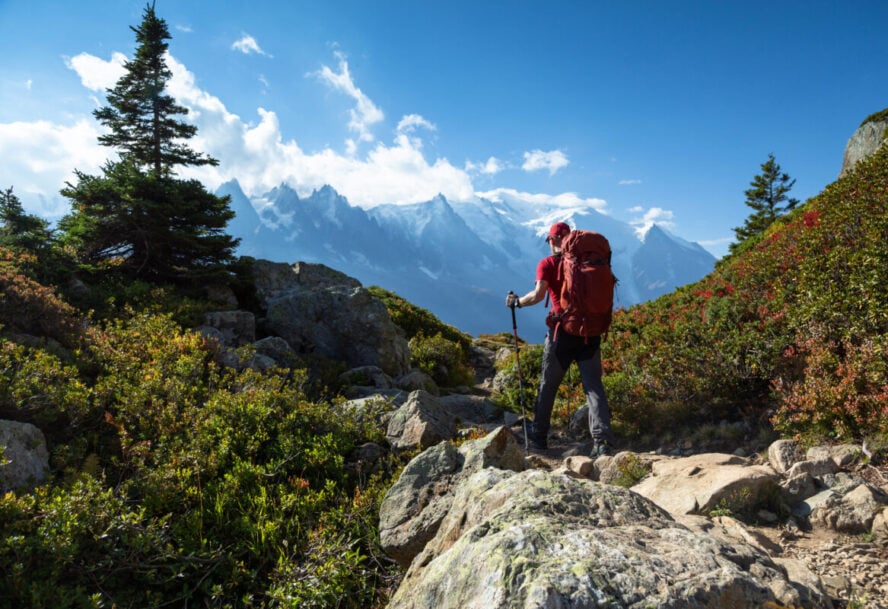
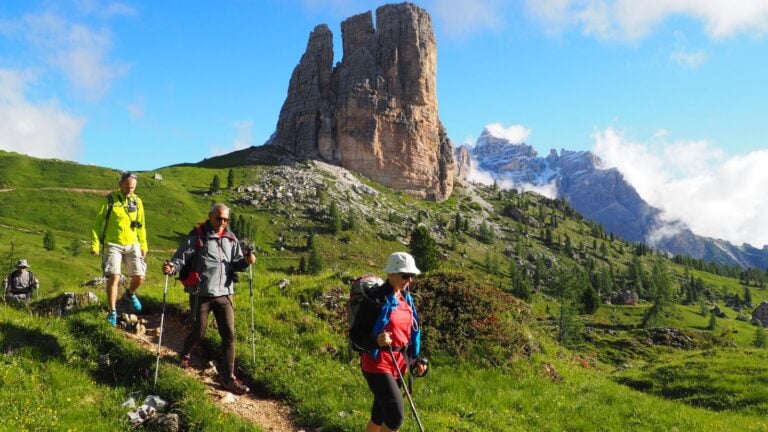
I didn’t fall in love with the Dolomites on a summit.
It happened sitting on a wooden bench outside a mountain hut, boots dusty, legs tired, watching the last light of the day slide across a wall of limestone.
The rock shifted from pale gray to gold to deep pink, and for a few quiet minutes, nobody spoke. Even the people who had been chatting loudly over beers went silent.
That’s when I knew this place was different.
How I Discovered the Dolomites
I’d already spent years guiding in some of the world’s most iconic mountain landscapes. I’d watched sunrise in the Grand Canyon, followed condors through Patagonia, stood on the slopes of Kilimanjaro, and hiked through storms in the Alps.
But hiking the Dolomites in Italy felt like discovering a mountain range that somehow combined all of that into one place, dramatic yet welcoming, wild yet deeply human.
What struck me most wasn’t just the scenery, although the jagged towers and vertical walls are impossible to ignore. It was how naturally life fits into these mountains.
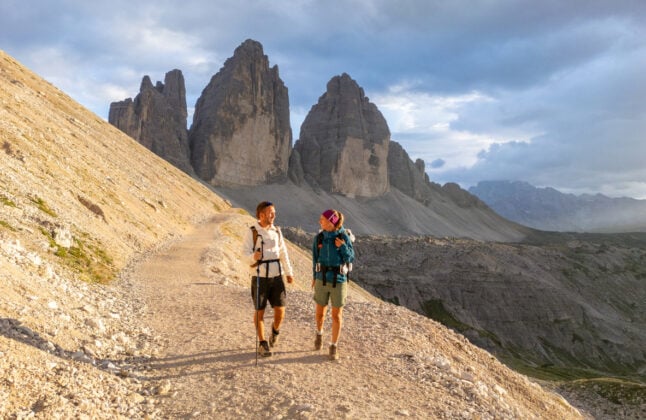
You hike past centuries-old farmhouses, stop for espresso at a high alpine hut, hear three different languages spoken over dinner, and then fall asleep surrounded by peaks that glow at sunrise. The Dolomites don’t feel like a backdrop. They feel lived in.
That first trip changed how I thought about guiding. I realized this was a place where you could challenge yourself physically, slow down mentally, and still end the day feeling taken care of.
Since then, I’ve returned season after season, guiding groups, exploring new corners, and finding fresh reasons to love these mountains.
Every trip adds another layer to the story.
If you’re thinking about hiking here, whether it’s your first time in the Alps or your tenth mountain destination, the Dolomites have a way of exceeding expectations.
Not by being louder or bigger than other ranges, but by pulling you in quietly, one trail, one sunset, one shared meal at a time.
Why Do the Dolomites Feel So Different
The Dolomites sit in northeastern Italy, forming a distinct section of the greater Alps. They’re bordered by valleys like Val Pusteria, Val d’Adige, Val di Fassa, and the Piave River Valley, with the Brenta Dolomites standing slightly apart to the west.
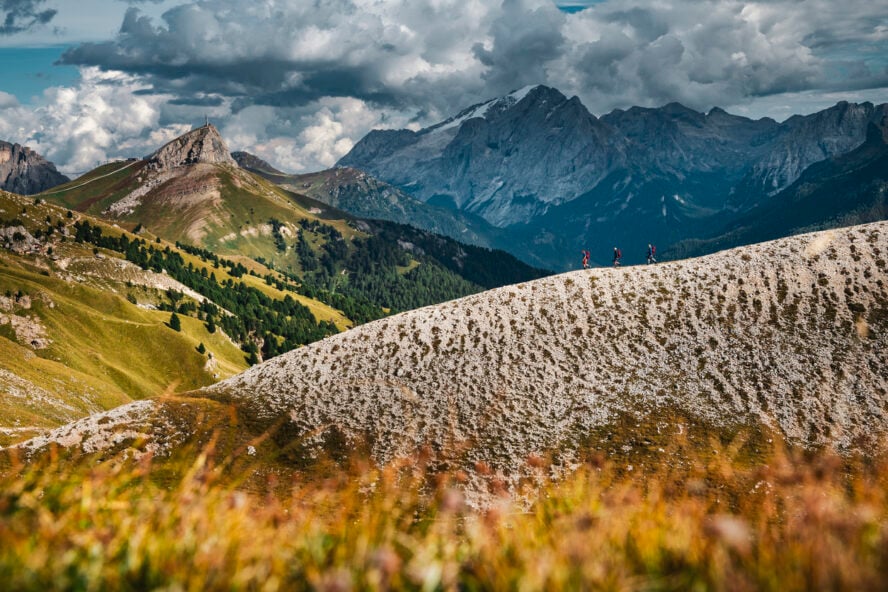
From a distance, they look sharp and almost intimidating. But once you’re inside them, you start to notice the softness too. Wide meadows, rolling pastures, and forested valleys create a contrast that makes the dramatic rock feel even more striking.
What makes these mountains so visually unique starts with geology
Millions of years ago, this region was a warm, shallow tropical sea filled with coral life. When the African continent pushed north into Europe around 65 million years ago, those sediments were forced upward, eventually forming the Alps and, within them, the Dolomites.
The rock here is rich in dolomite limestone, which is why the cliffs rise so steeply and why they glow the way they do at sunrise and sunset. There are eighteen peaks that rise above 3,000 meters (9,840 ft), and the entire region was designated a UNESCO World Heritage Site in 2009.
I’ve guided people who didn’t think they cared much about geology. After a few days of hiking the Dolomites in Italy, they start asking questions.
The landscape has a way of pulling you in like that.
When Is the Best Time to Hike the Dolomites
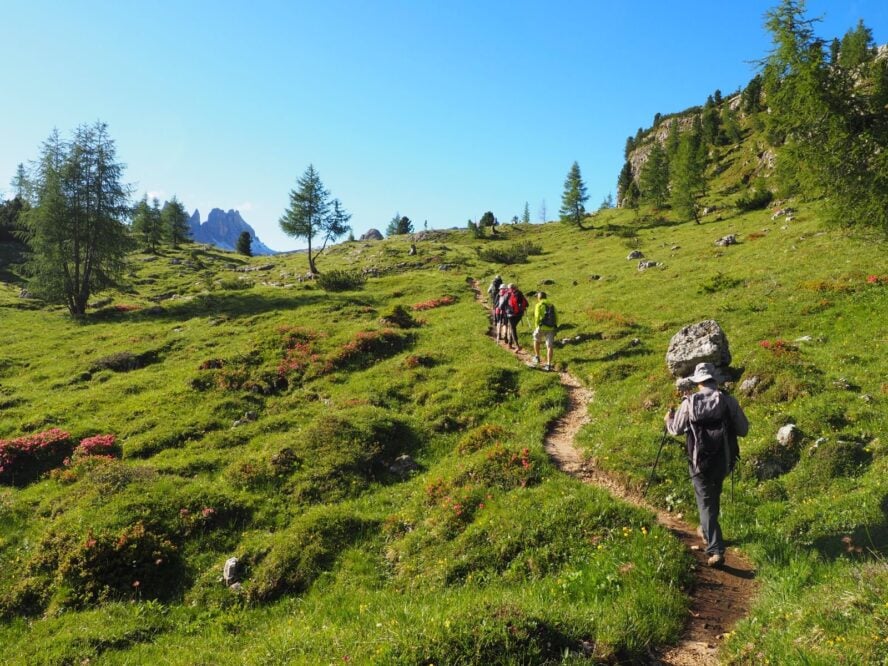
One of the questions I get most often is when to plan a trip. For hiking the Dolomites in Italy, the main season generally runs from mid-June through mid-September.
In years with a warm spring, lower-elevation trails can open earlier. In recent years, warmer autumns have allowed hiking to stretch into early October. Still, timing really matters.
Early to mid-July is usually my favorite window if you want wildflowers. Alpine pastures come alive with color, especially around places like the Fanes Plateau and Prato Piazza. You’ll still find lingering snow at higher elevations and on shaded passes, which adds a bit of challenge but also keeps the crowds down in certain areas.

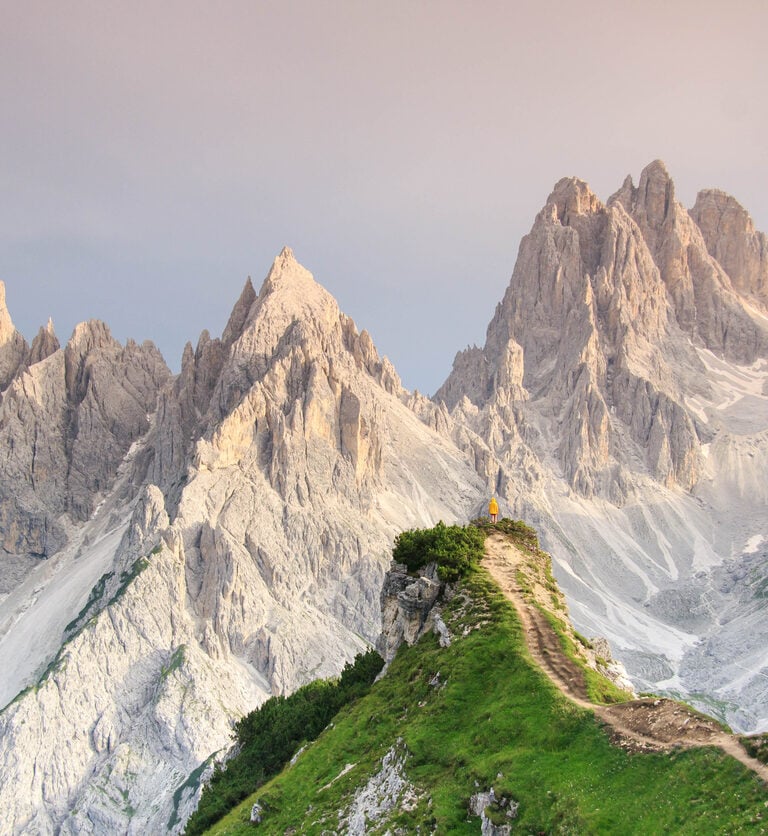
July and August offer the most reliable weather overall, but they’re also the busiest months.
Many European countries take holidays during this period, and popular areas like Tre Cime can feel crowded during the middle of the day. I still guide plenty of trips during this time, but I plan routes carefully and adjust start times to avoid the worst of the congestion.
Beyond peak season: Hiking the Dolomites in Italy without the crowds
September is a fantastic option if you’re looking for fewer people.
Visitation drops noticeably after the first week or two, and the light starts to soften. The trade-off is cooler temperatures and the increased chance of early snow at higher elevations. I’ve had groups in the second week of September wake up to fresh snow on the passes. This meant adjusting plans on the fly.
Personally, my favorite trips to guide are often the first and last of the season. Early season trips bring that mix of snow patches up high and lush green valleys below. Late season trips bring quieter trails and a sense of calm that makes hiking the Dolomites in Italy feel more personal and reflective.
Mountain Weather and What You Really Need to Know
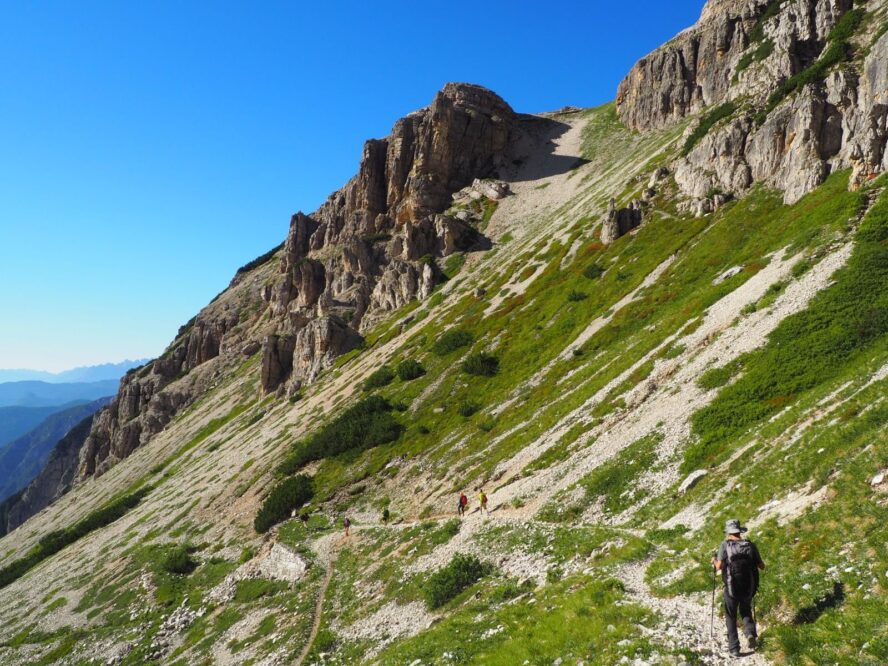
Mountain weather in the Dolomites is famously unpredictable. Higher elevations are cooler and windier than the valleys, and summer afternoons often bring thunderstorms with heavy rain and lightning. Because of that, I always plan higher passes and exposed terrain earlier in the day.
I’ve had days where the forecast looked terrible, but the storms stayed one valley over. They gave us solitude, dramatic cloud formations, and not a single drop of rain.
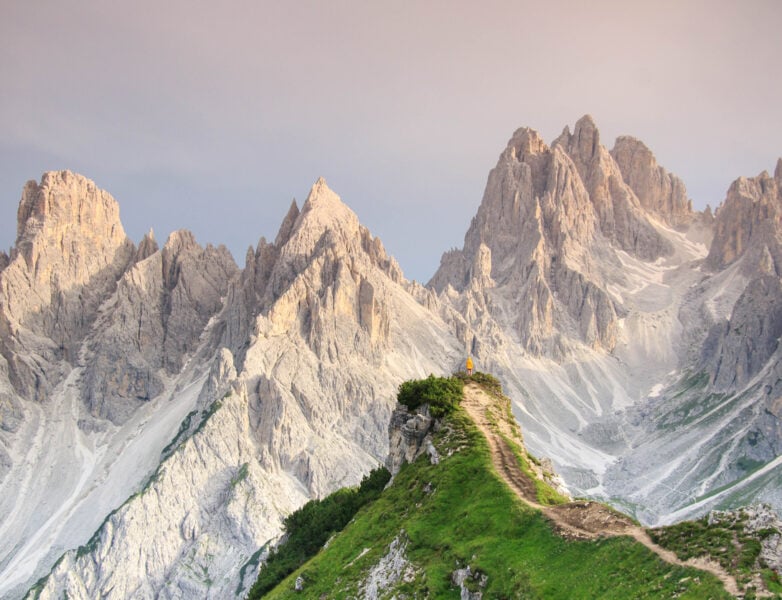
I’ve also had days where we turned around early because conditions felt unsafe. Experience matters here, but so does humility.
The mountains always get the final say.
Good footwear is essential, especially because the terrain is rocky and uneven. I prefer boots with good ankle support, particularly if you’re carrying a heavier pack. Trekking poles are incredibly useful in the Dolomites, both for steep descents and long days.
A solid layering system and reliable rain gear are non-negotiable, even on sunny forecasts.
When I’m guiding hiking groups, I also rely on a combination of weather apps like Meteo Dolomiti, Bergfex, and Mountain Forecast, comparing them daily.
Emergency number 112 works throughout Europe, but cell service isn’t guaranteed in remote areas, so carrying an emergency communication device like a Garmin inReach can be a smart move.
What Are the Best Hiking Trails in Italy’s Dolomites
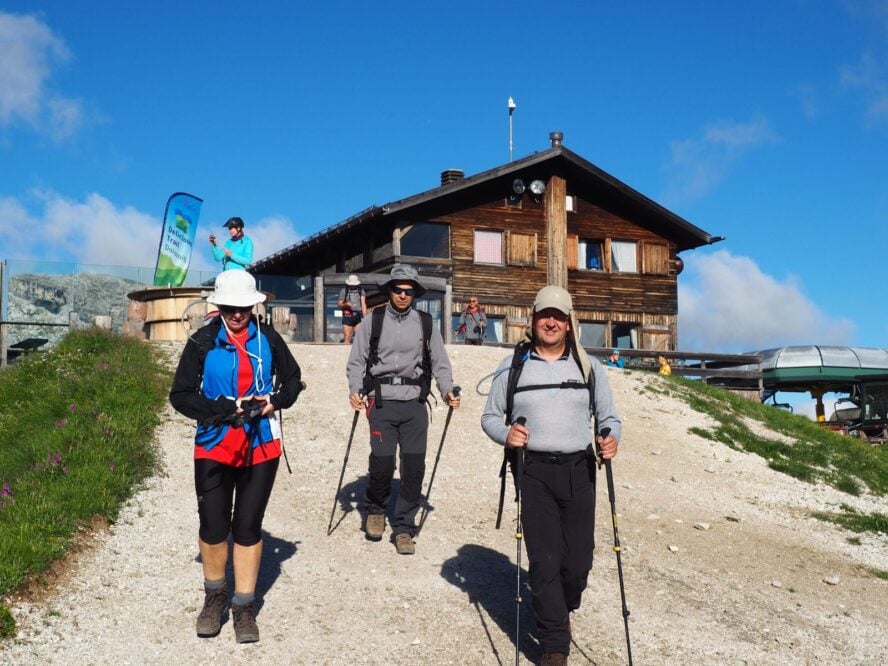
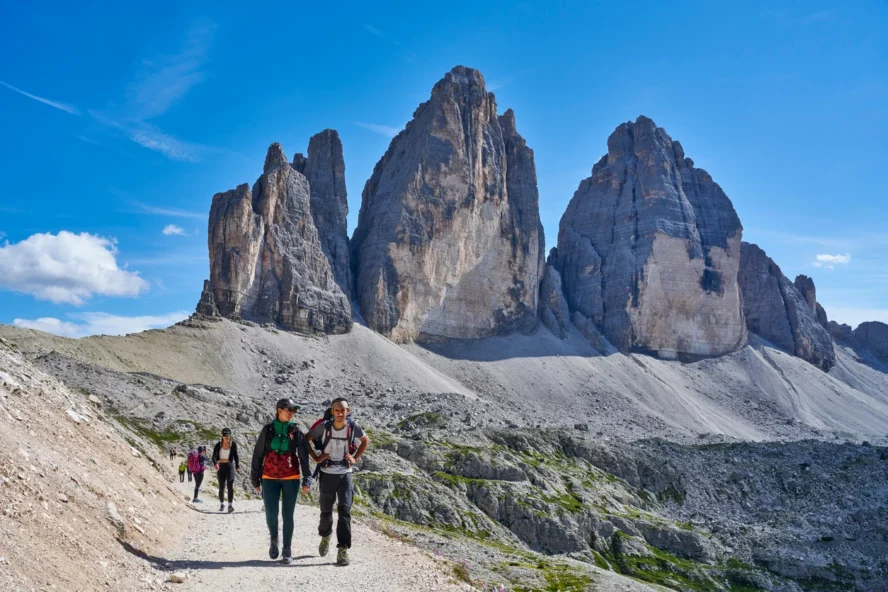
Tre Cime di Lavaredo is the most famous hiking area in the Dolomites, and while it’s extremely popular, it earns that reputation. Those three towers rise straight out of the landscape, and no photo truly prepares you for their scale.
The classic Tre Cime loop starts at Rifugio Auronzo, where buses, taxis, and private cars arrive. About ninety percent of people hike counterclockwise. When I guide here, I almost always go clockwise.
That single decision sheds most of the crowd within the first stretch and creates a much quieter experience right from the start.
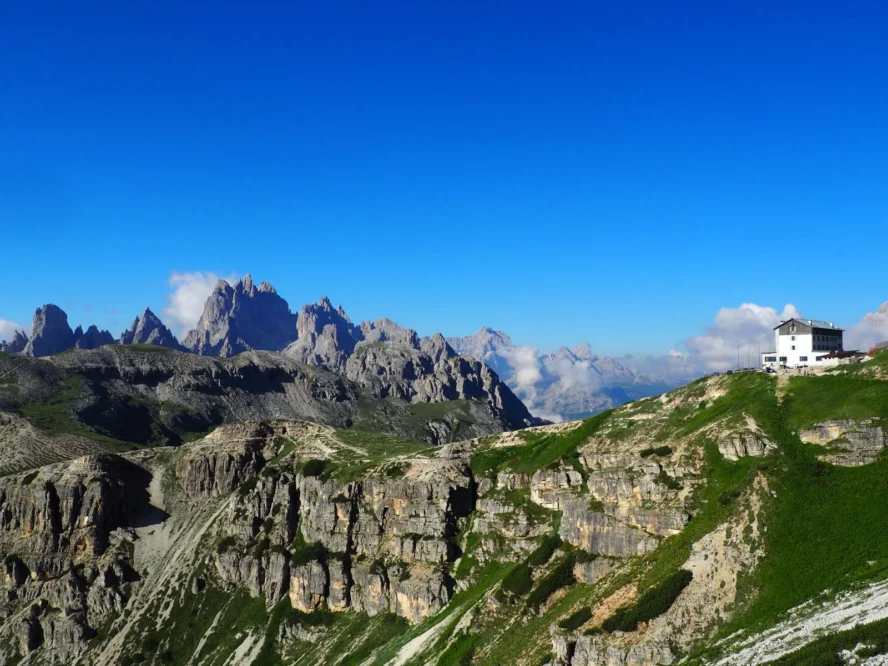
Along that loop, I like to wander near the small lakes by Lange Alm, stepping slightly off the main trail to find moments of solitude. Rifugio Locatelli is the busiest spot on the circuit by far, but just west of it you can find quieter areas with incredible lunch views. The loop finishes by crossing Lavaredo Pass and returning to Rifugio Auronzo.
Terrain for every type of hiker
For a longer and slightly more adventurous day, the Monte Paterno loop is one of my favorites.
It still starts from Rifugio Auronzo, but once you leave the main trail north of Rifugio Lavaredo, the crowds thin out quickly. The route takes you to Rifugio Pian di Cengia, which has some of the best apple strudel in the area, before looping back toward Locatelli and finishing over Lavaredo Pass.
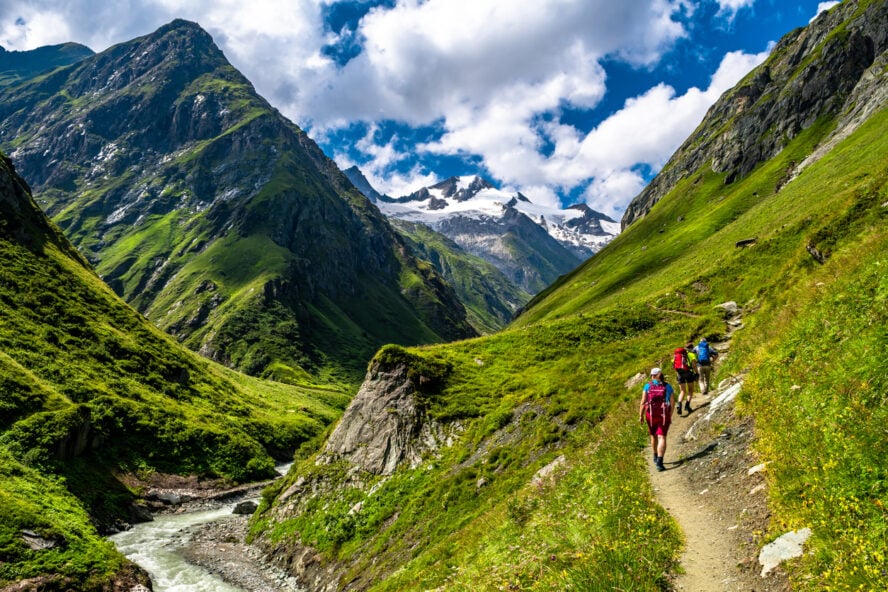
Beyond Tre Cime, areas like Alpe di Siusi and Val Gardena offer gentler terrain, making them ideal for families or first-time visitors. Wide meadows, well-marked paths, and cable car access make this region one of the most approachable places for hiking the Dolomites in Italy, while still delivering classic Dolomite scenery.
For those looking for something more rugged, the Brenta Dolomites stand out. They’re more remote, steeper, and better suited to experienced hikers. The feeling of solitude there is hard to match, and it’s one of the places where I most strongly feel how wild this region can still be.
This diversity is what makes Dolomites hiking trails so special. You can enjoy big multi-day hiking epics like the Alta Via 1, or you can tailor each day to your energy level and interests without sacrificing scenery.
Via Ferrata: The Vertical Side of Hiking the Dolomites in Italy
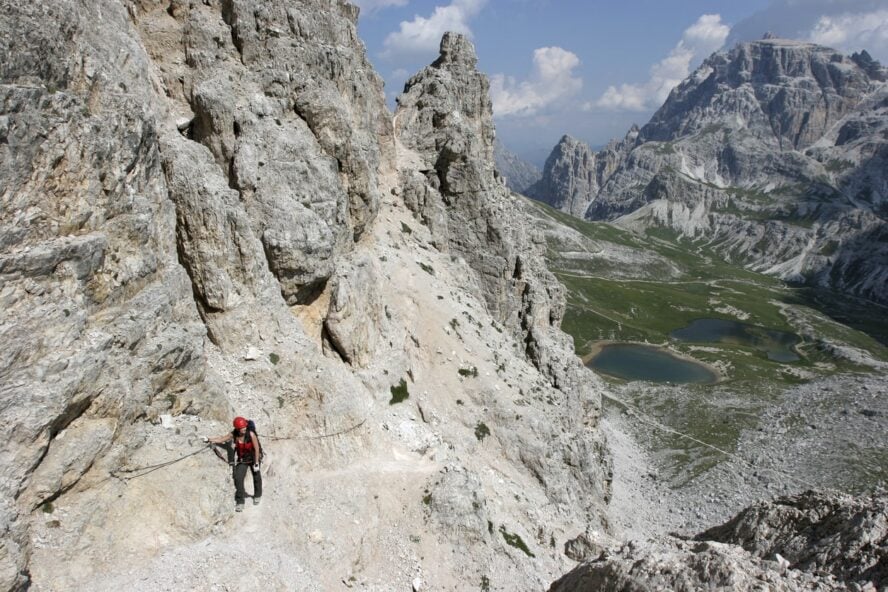
Via ferrata, which means iron path in Italian, is one of the defining features of the Dolomites. These protected routes use fixed steel cables, ladders, and rungs to allow hikers to move safely through steep, exposed terrain without full rock climbing skills.
There are around 700 via ferrata routes in the Dolomites, making this region the birthplace of the activity. Many routes trace paths originally installed during World War I, when soldiers needed safe passage through cliffs and ridges.
Today’s equipment is far safer, but the historical connection adds another layer to the experience.
I often recommend via ferrata to hikers who want to push their comfort zone while still feeling secure. It’s an incredible way to experience the vertical scale of hiking the Dolomites in Italy, and it opens terrain that would otherwise be inaccessible to non-climbers.
Where to Stay in the Dolomites for Hiking
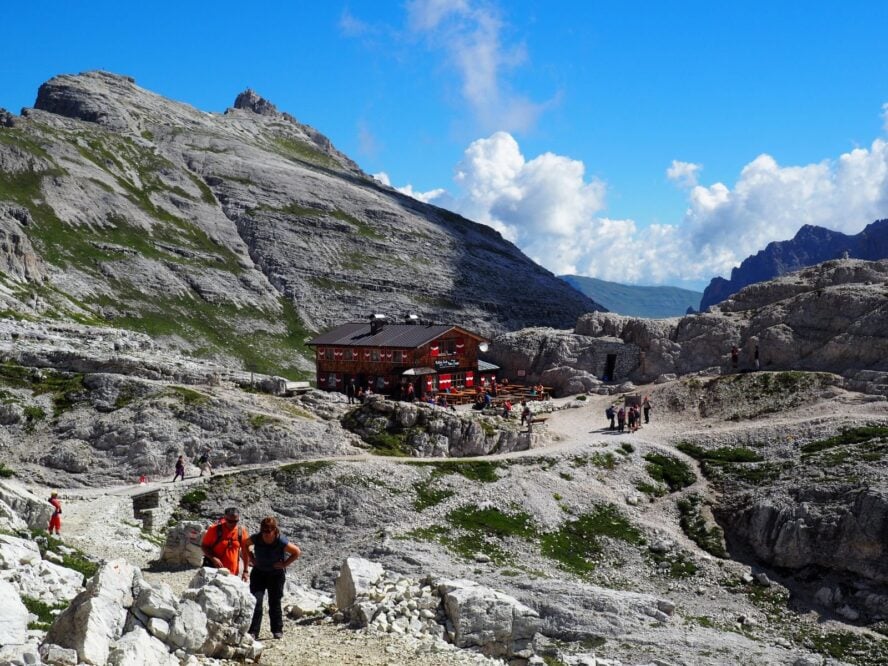
One of the things that makes hiking the Dolomites in Italy so special is the variety of lodging options. In towns and villages, you’ll find everything from simple guesthouses to four- and five-star hotels.
Rooms are generally smaller than what many North American travelers are used to, and double rooms are often two single beds pushed together.
What really defines the experience, though, is staying in mountain huts, or rifugi. These refugios provide food, lodging, and shelter for hikers, climbers, and via ferrata enthusiasts. There are roughly 400 huts managed by alpine clubs and hundreds more privately operated.
Most huts offer dormitory-style rooms with shared bathrooms, though some have a few private rooms that book far in advance.
Meals are hearty and filling, usually a mix of Italian, Austrian, and German influences. Polenta, pasta, dumplings, pork, beef, and plenty of bread are common.
The biggest reward of staying in huts is being in the mountains for sunrise and sunset. Popular areas that feel crowded during the day become peaceful in the evening once day hikers leave. That’s when the Dolomites feel most intimate, and it’s a big reason why I love guiding hut-to-hut hiking routes in the Dolomites.
Where to Fly Into to Hike the Dolomites
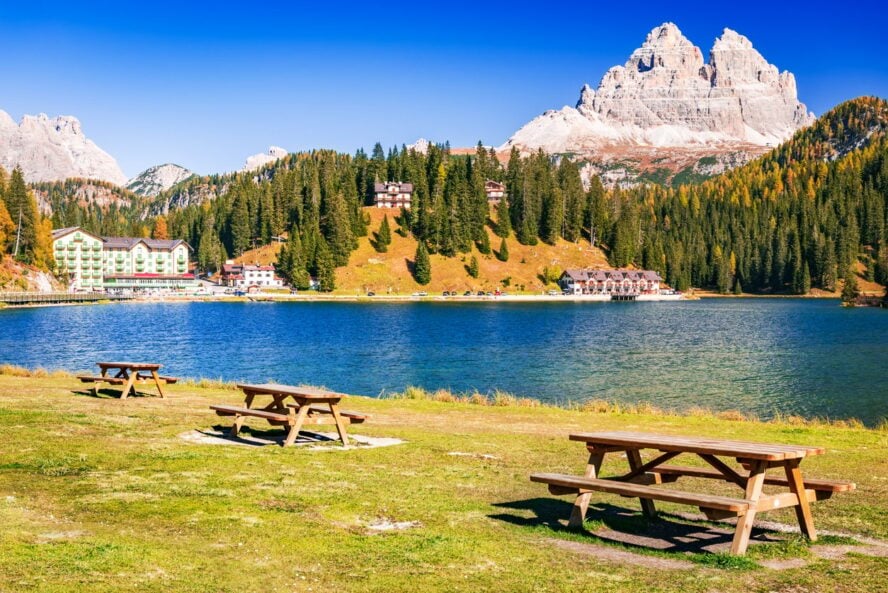
Most people flying in for hiking the Dolomites in Italy arrive via Venice, Milan (Bergamo or Malpensa), Munich, or Innsbruck. Venice is often the most convenient option for eastern Dolomite destinations like Cortina, Tre Cime, and Lago di Braies.
Innsbruck works very well for northern areas in South Tyrol, while Munich is a solid option with broader flight connections. Milan is typically best for the Brenta Dolomites.
From these cities, you can reach the mountains by a combination of trains, buses, and private transfers. Public transportation is surprisingly good, but some trailheads still require patience or early starts.
This is where local knowledge or guided support can really smooth things out. Planning logistics carefully makes a huge difference on a Dolomites hiking trip, especially if you’re moving between regions.
Guided, Self-Guided, or Unguided: Finding the Right Fit
Choosing how to experience the Dolomites depends on your comfort level and travel style.
Unguided trips offer maximum freedom but require strong navigation skills and careful planning.
Self-guided trips provide structure and local support while allowing flexibility.
Guided trips offer peace of mind, cultural insight, and safety management. This can be especially valuable in mountain environments.
When I guide Dolomites hiking tours, I handle route decisions, weather calls, and logistics. However, I also focus on sharing stories, local food, and small details that travelers often miss on their own. That human connection is a big part of what makes the experience memorable.
For those looking for curated experiences, the best Dolomites hiking tours balance challenge, comfort, and cultural immersion without overcomplicating the journey.
Final Thoughts From the Trail
After years of guiding around the world, hiking the Dolomites in Italy still feels special every single time. The light, the history, the mix of cultures, and the accessibility of high alpine terrain create an experience that’s hard to match.
Whether you’re drawn to classic routes around Tre Cime, gentle meadows in Val Gardena, rugged adventures in the Brenta Dolomites, or curated best Dolomites hiking tours, this region has a way of meeting you where you are and still pushing you a little further.
That’s why I keep coming back. And it’s why, when people ask me where they should go for a truly memorable mountain experience, Italian Dolomites hiking is always at the top of my list.