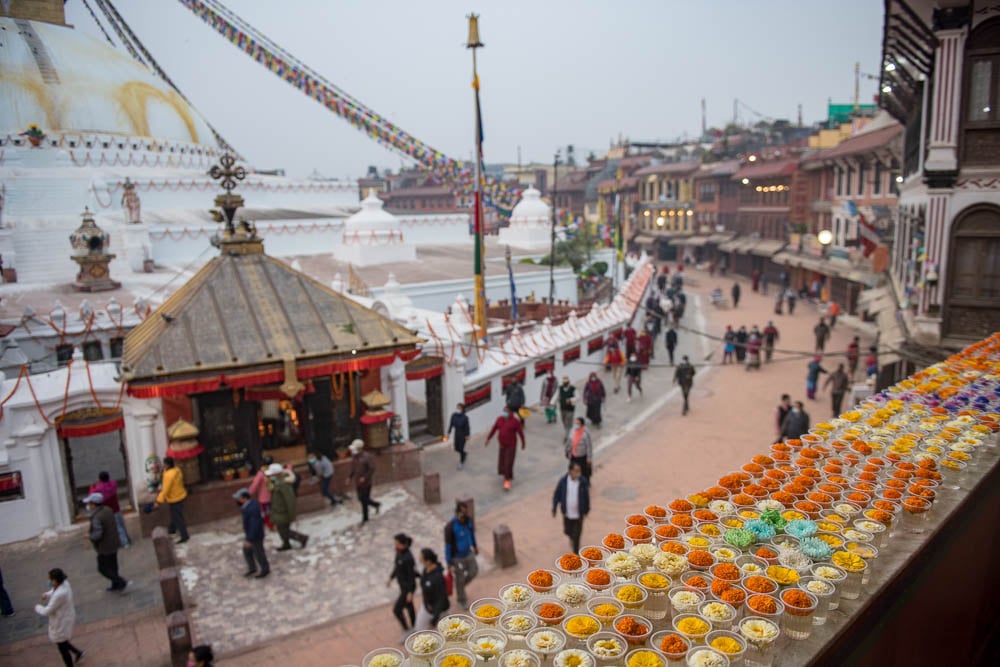
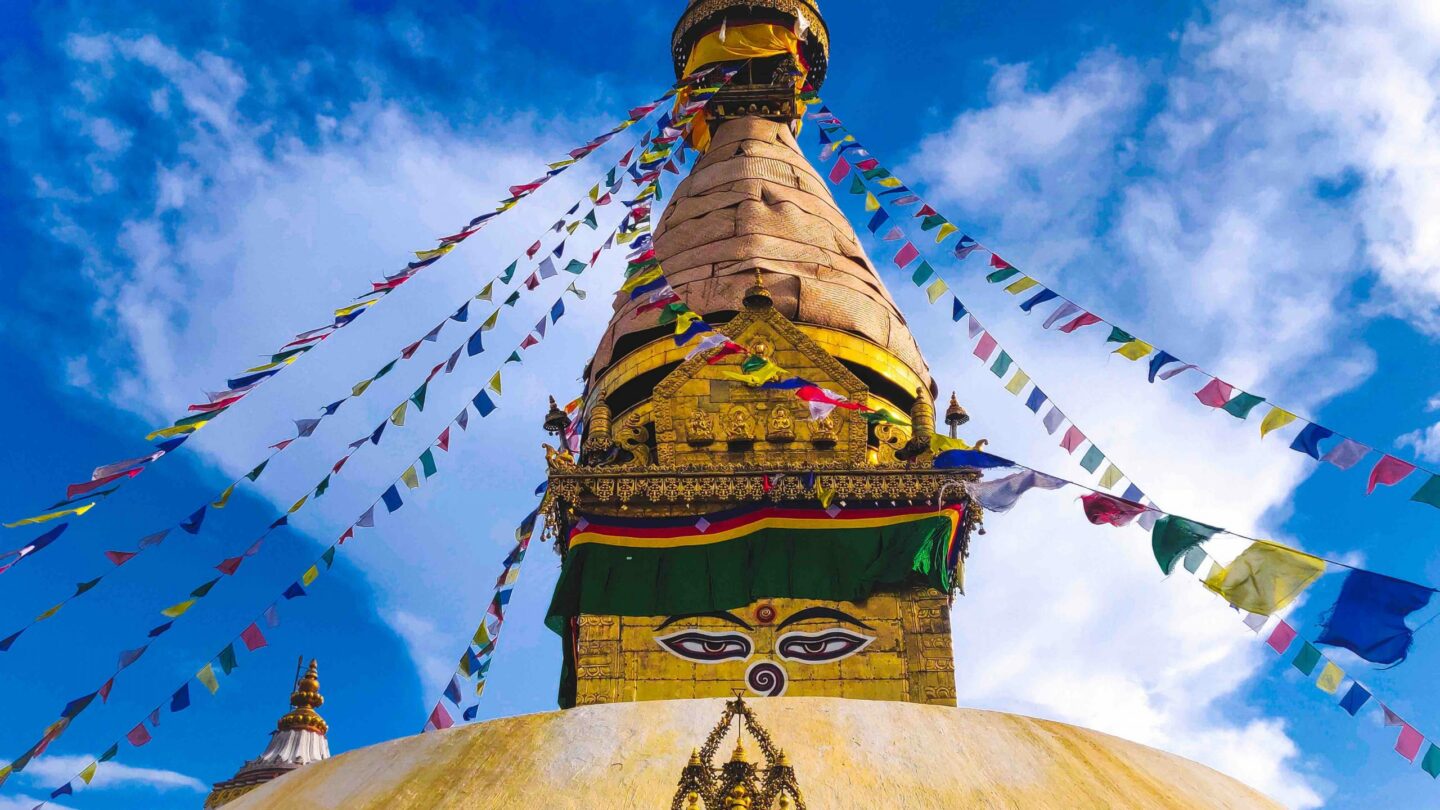
Today is all about arriving in Kathmandu, the capital city of Nepal. Meet your team and get settled into your hotel.
Elevation: 4,344 ft / 1,324 m
Accommodation: Hotel

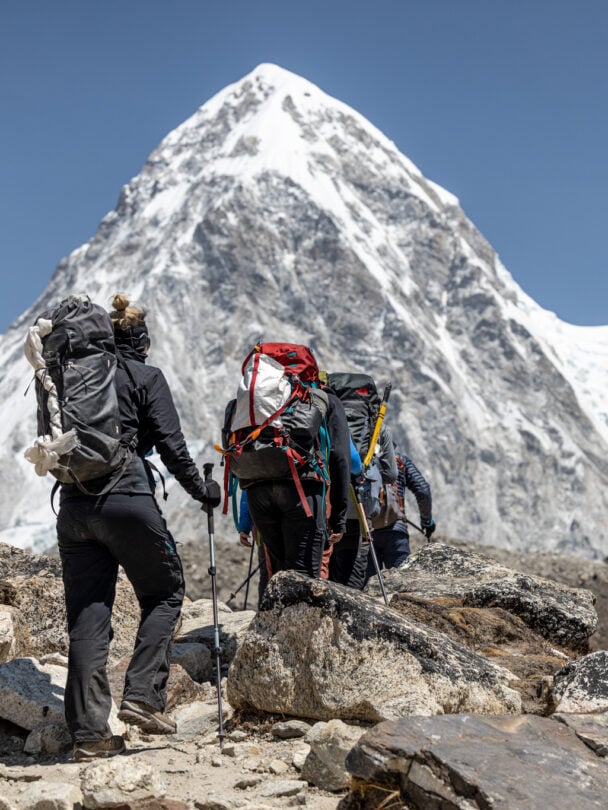
Experiencing the iconic Everest Base Camp Trek feels super special all on its own. But add to it summiting the 20,000-ft Lobuche, and you’ve got yourself an unforgettable journey, a taste of expedition life in the world’s highest mountains. You’ll trek among actual Everest summiters and get to spend 2 nights at Everest Base Camp (something that 99% of trekkers don’t get to do!). With an IFMGA guide and the experienced Sherpas by your side, this three-week adventure will have you fully immersed in the culture and traditions of the Himalayan mountains, climbing a peak known for some of the best summit views in the world, and finally reaching the foothills of Mount Everest. The time spent among the highest mountains on Earth will leave you humbled, grateful, and wanting for more—which is why Lobuche might just be the perfect stepping stone to even higher peaks!
Everest Base Camp Trek is likely the most famed route in the world, and certainly one of the most scenic ones. But apart from experiencing this iconic trek, this trip also includes summiting the 20,000-foot Lobuche—making it the perfect training for climbing even higher peaks. Everything on this trip is arranged from you, practically from the moment you set foot in Kathmandu. After climbing Lobuche, you'll reach the legendary Everest Base Camp, where you'll spend 2 nights and meet the Everest expedition community. Apart from the camp, you’ll stay in traditional teahouses on the trek, allowing you to learn about the Sherpa culture. And just when you start missing the everyday bustle, you’ll return to Kathmandu, Nepal’s capital from where you began your journey.
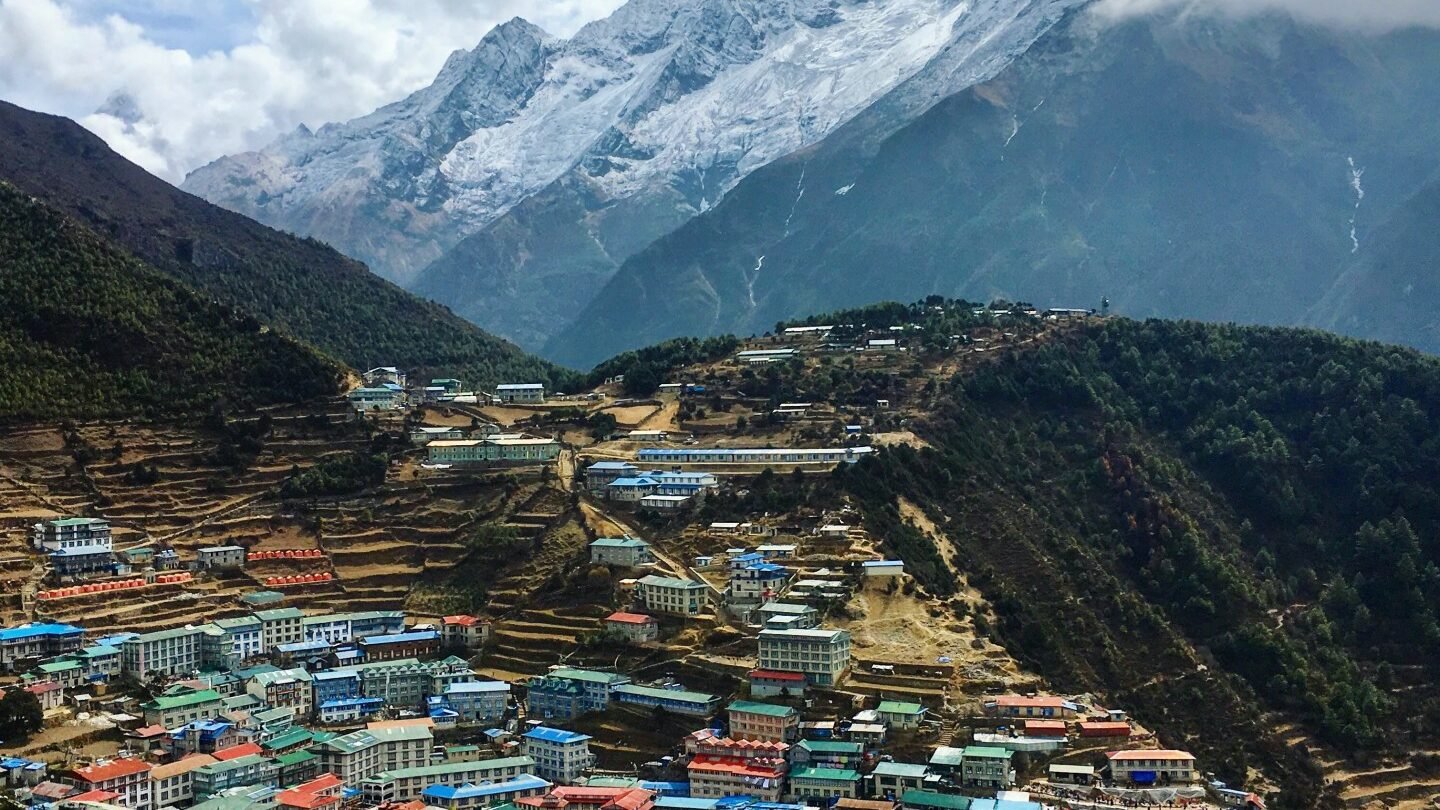
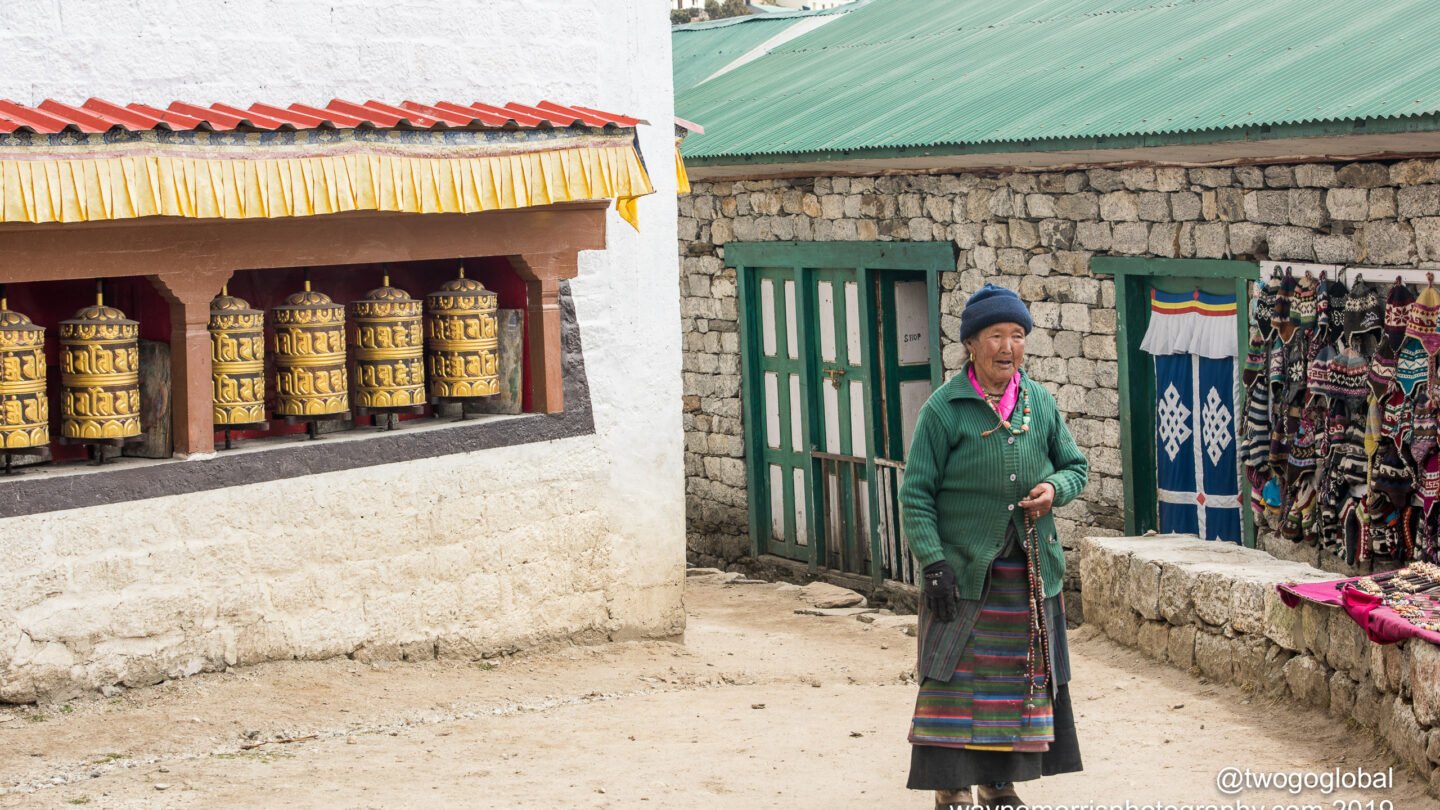
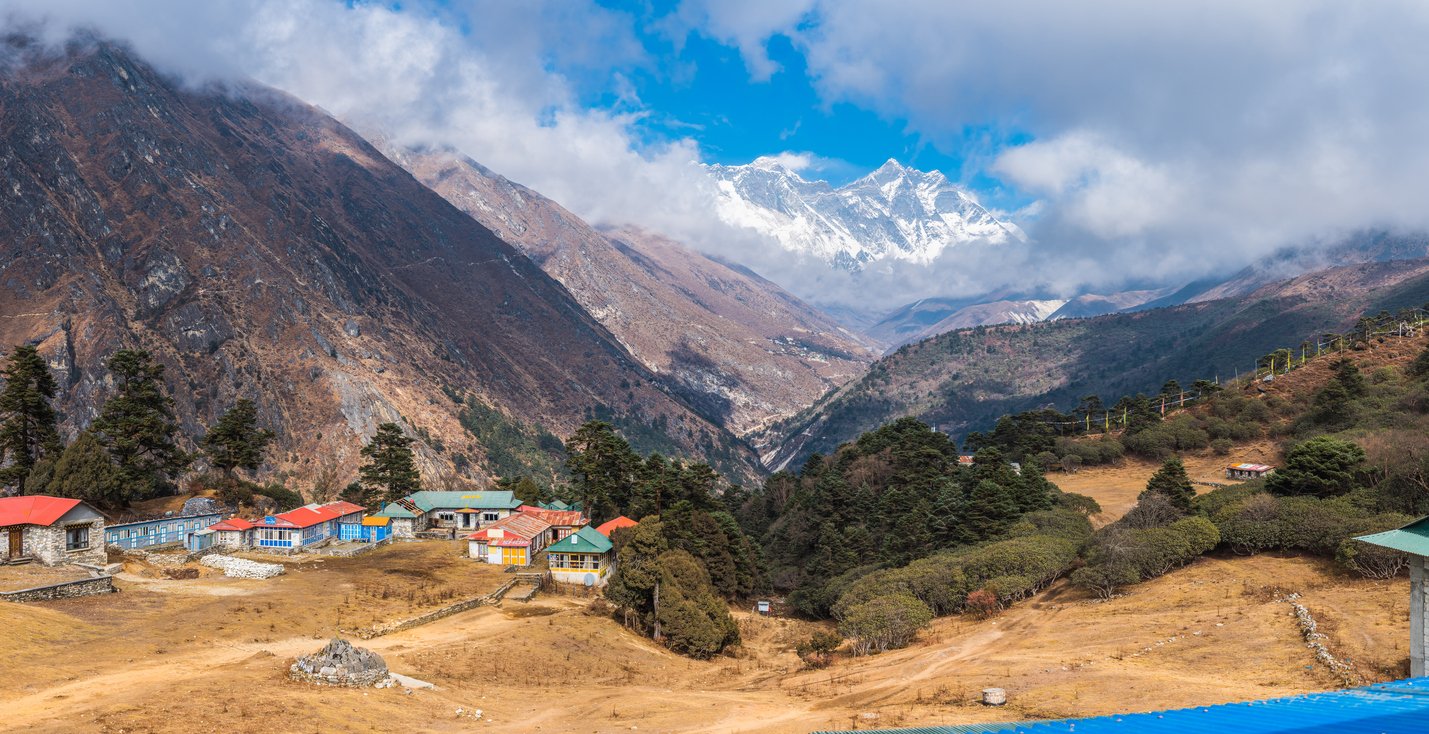
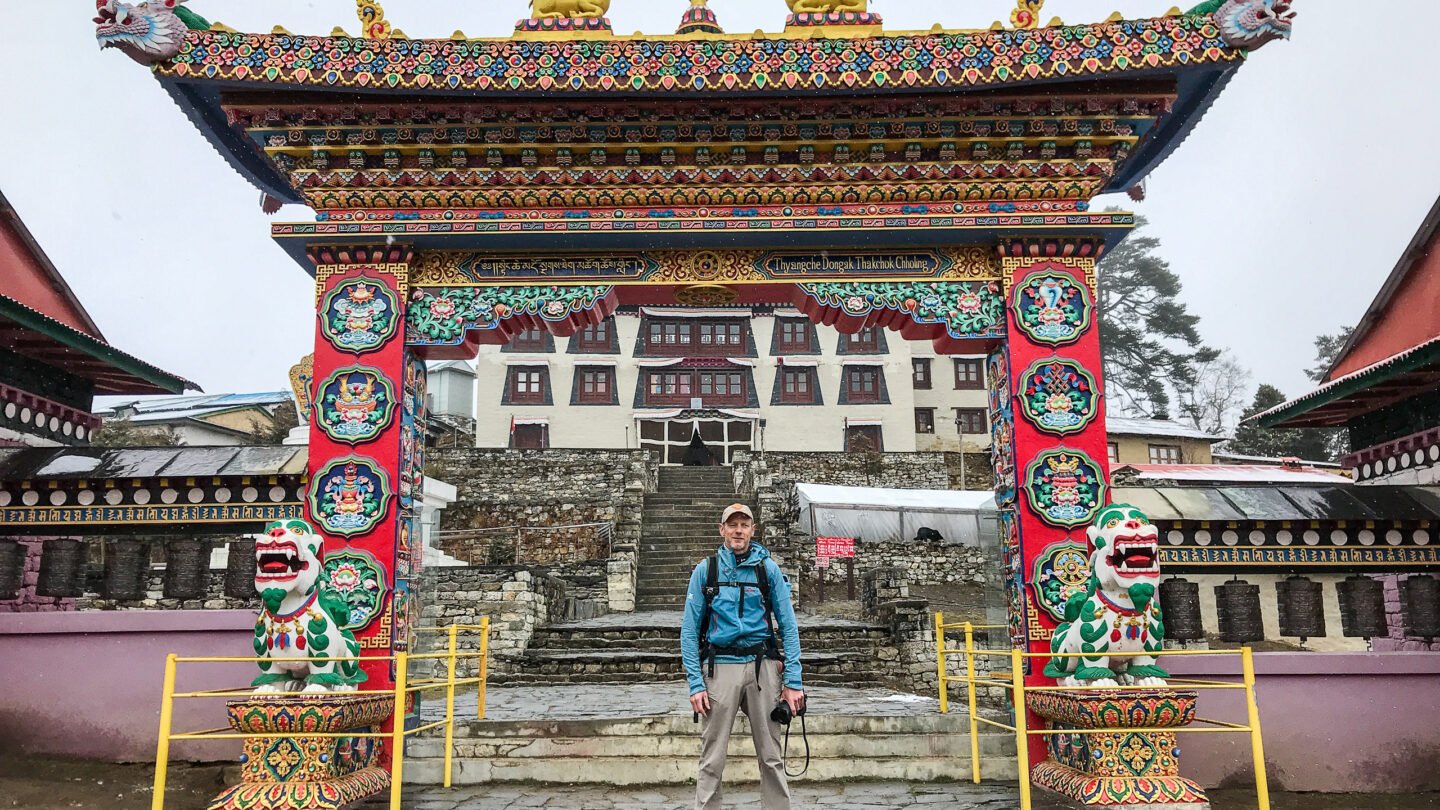
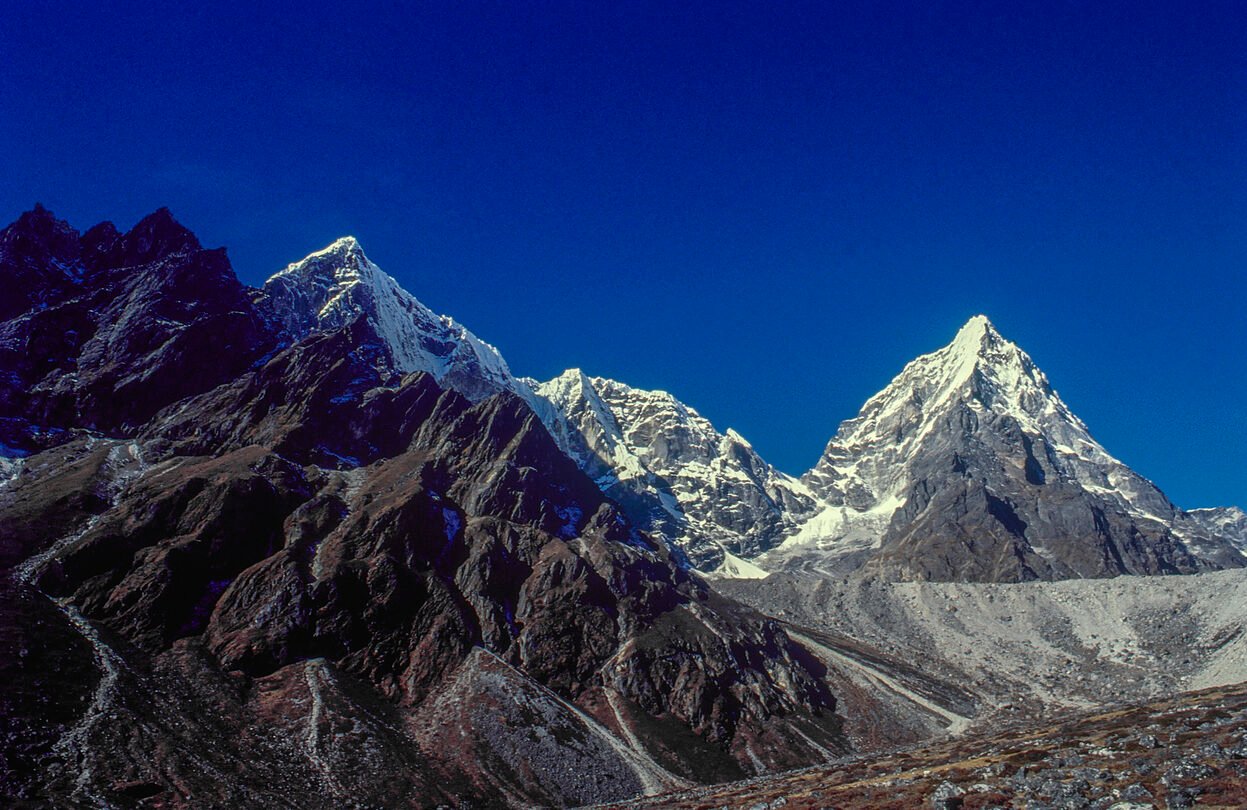
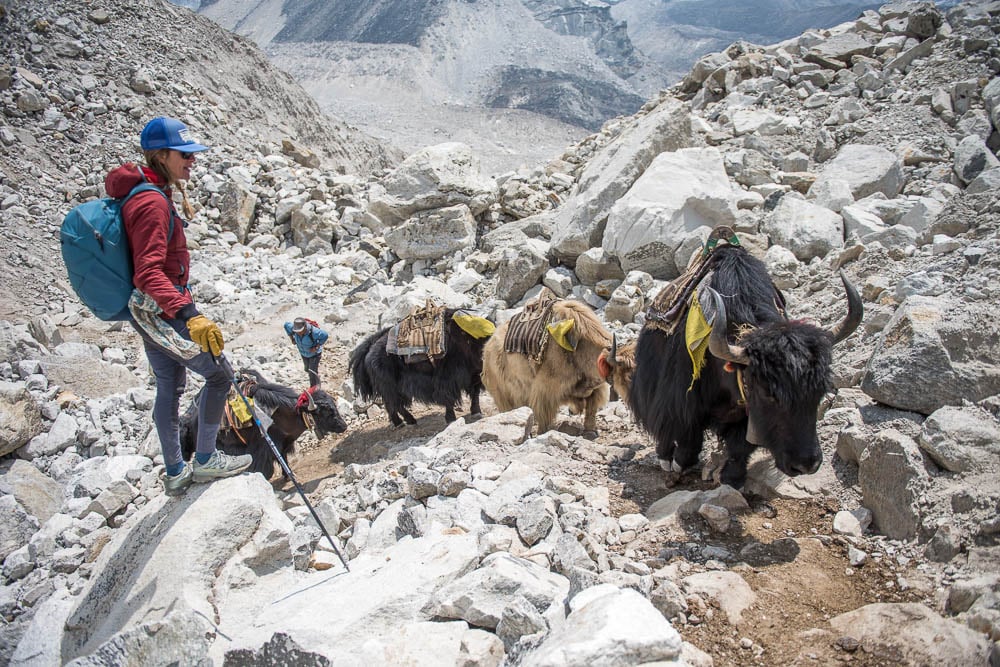
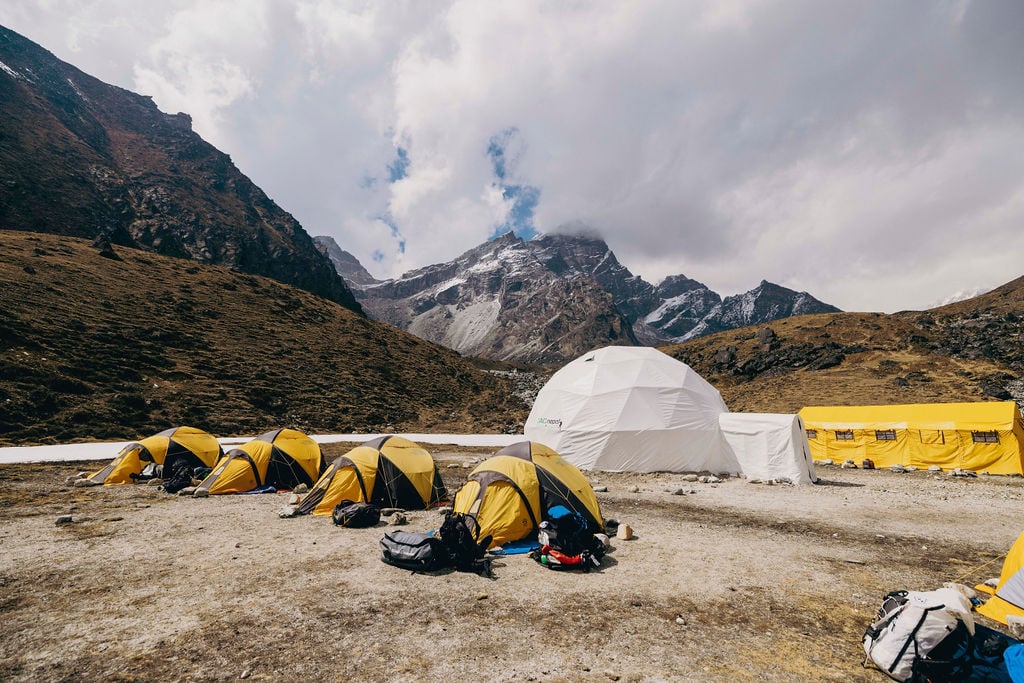
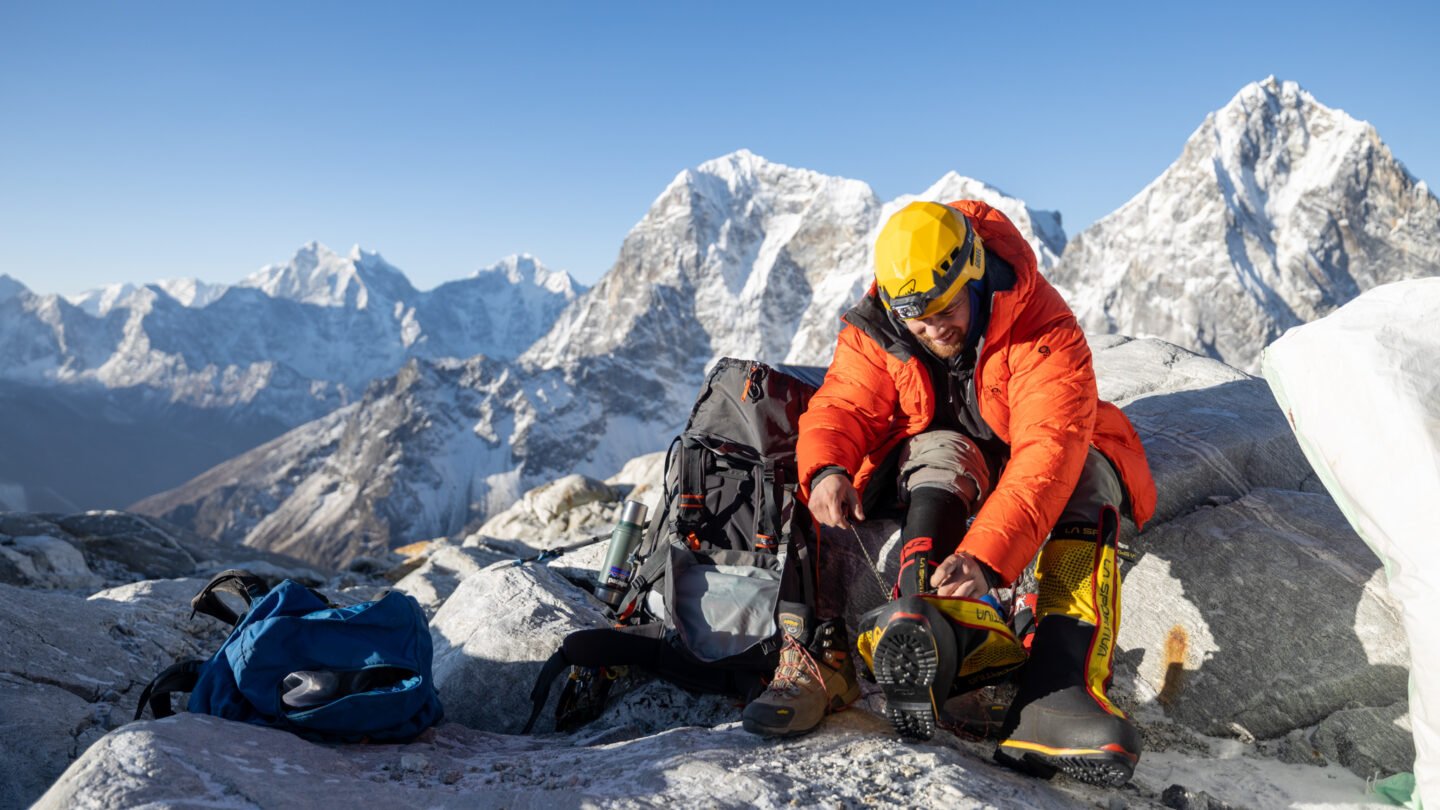
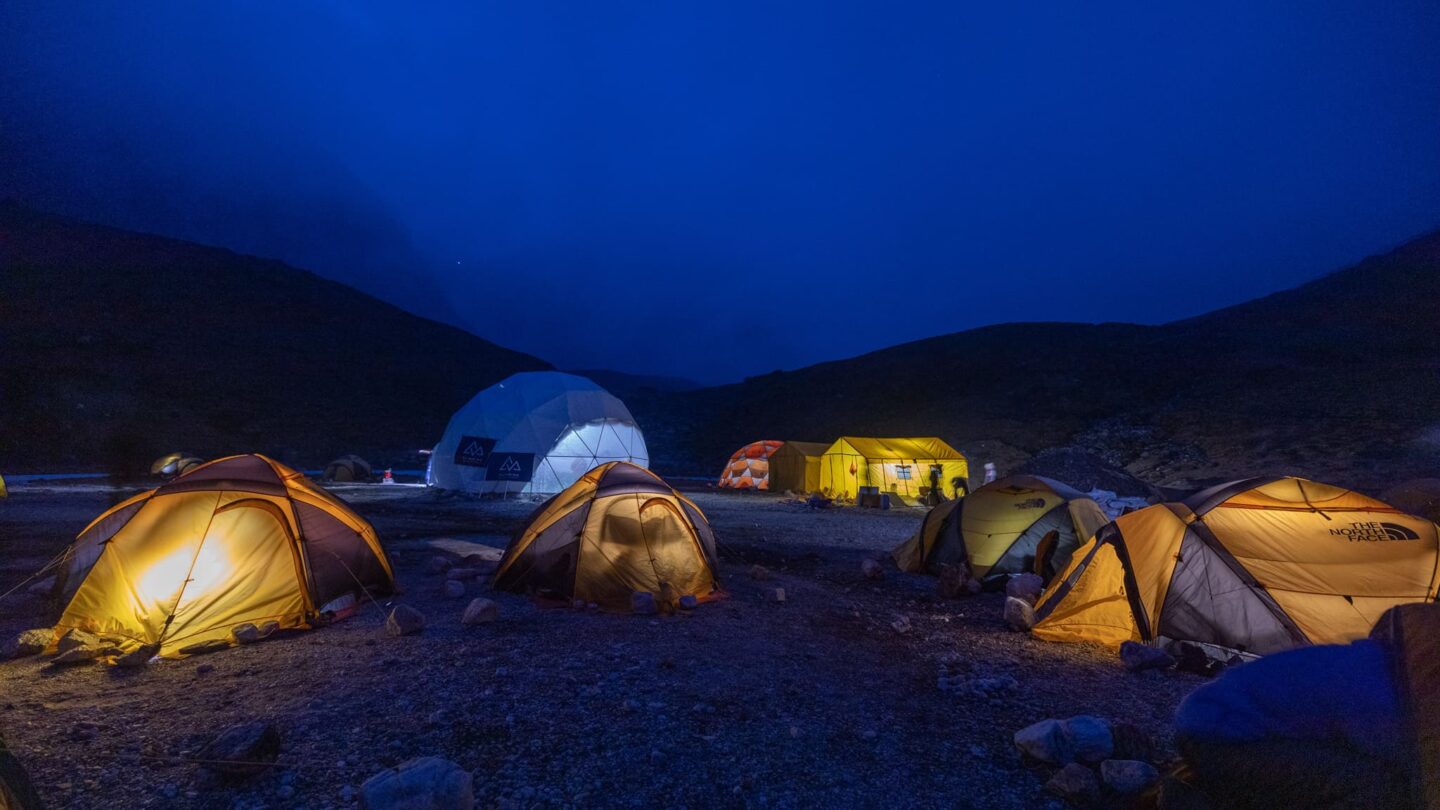
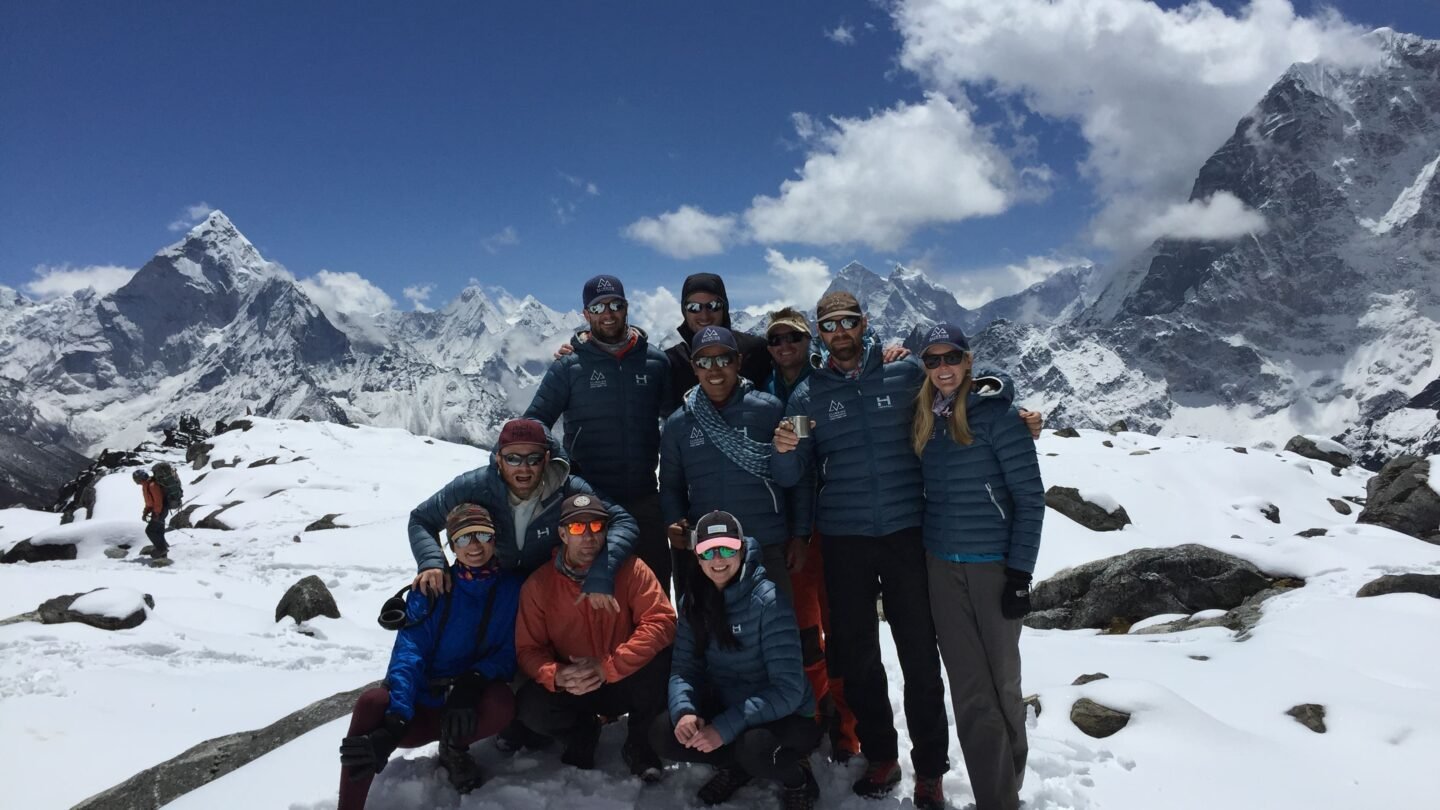
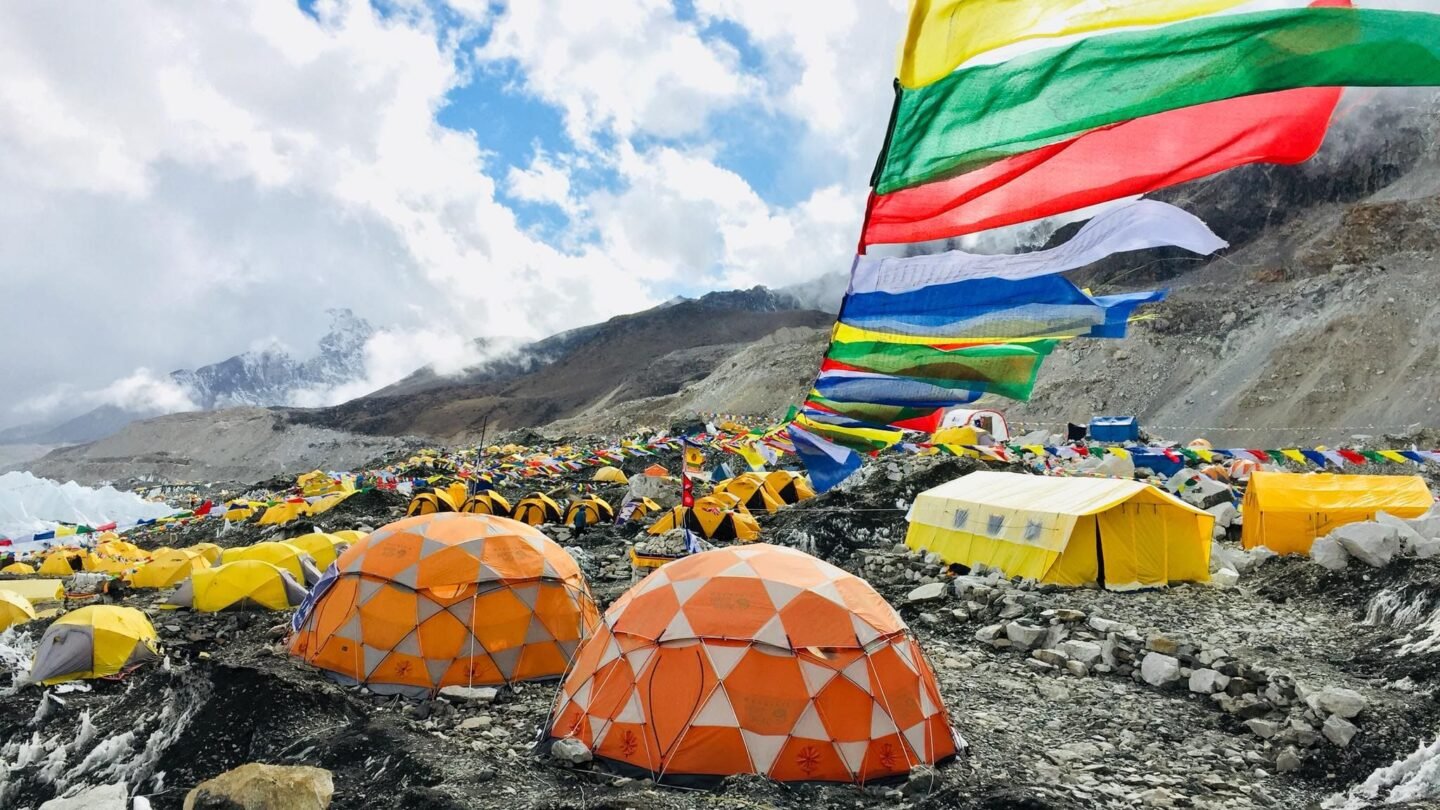
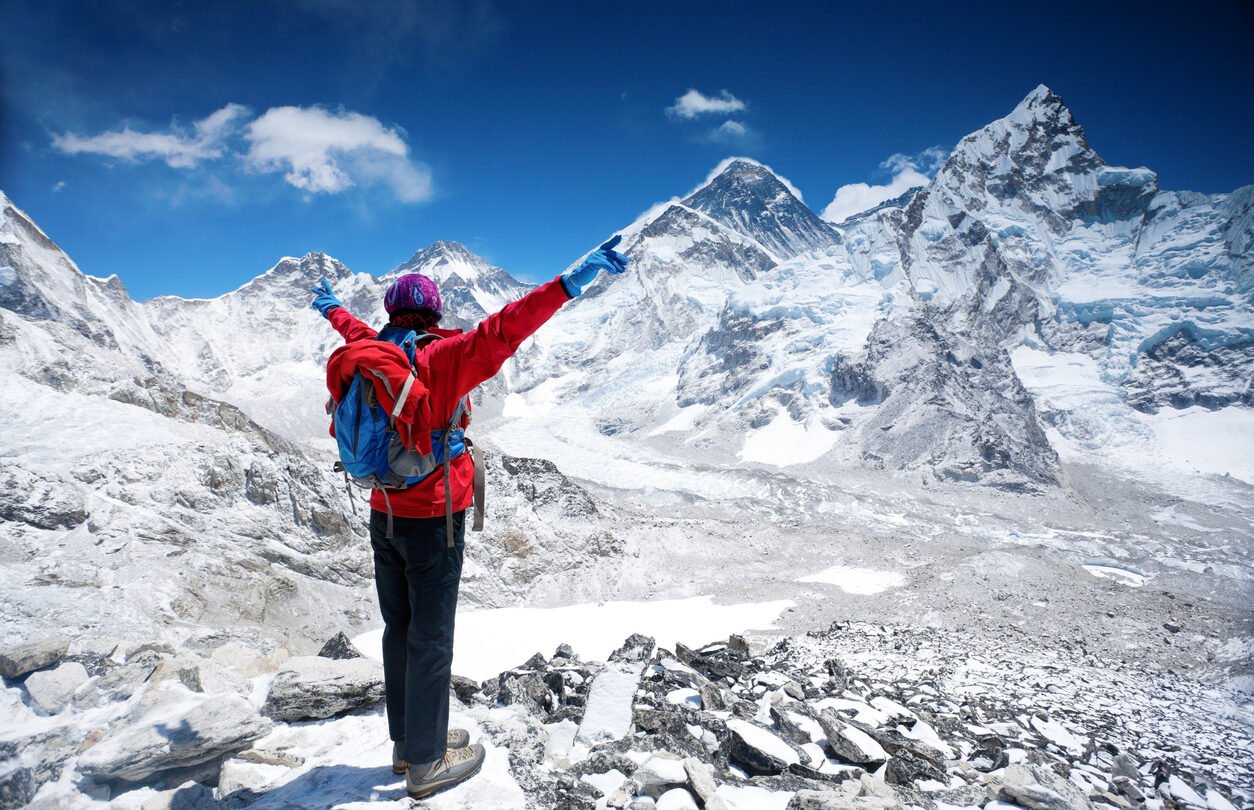
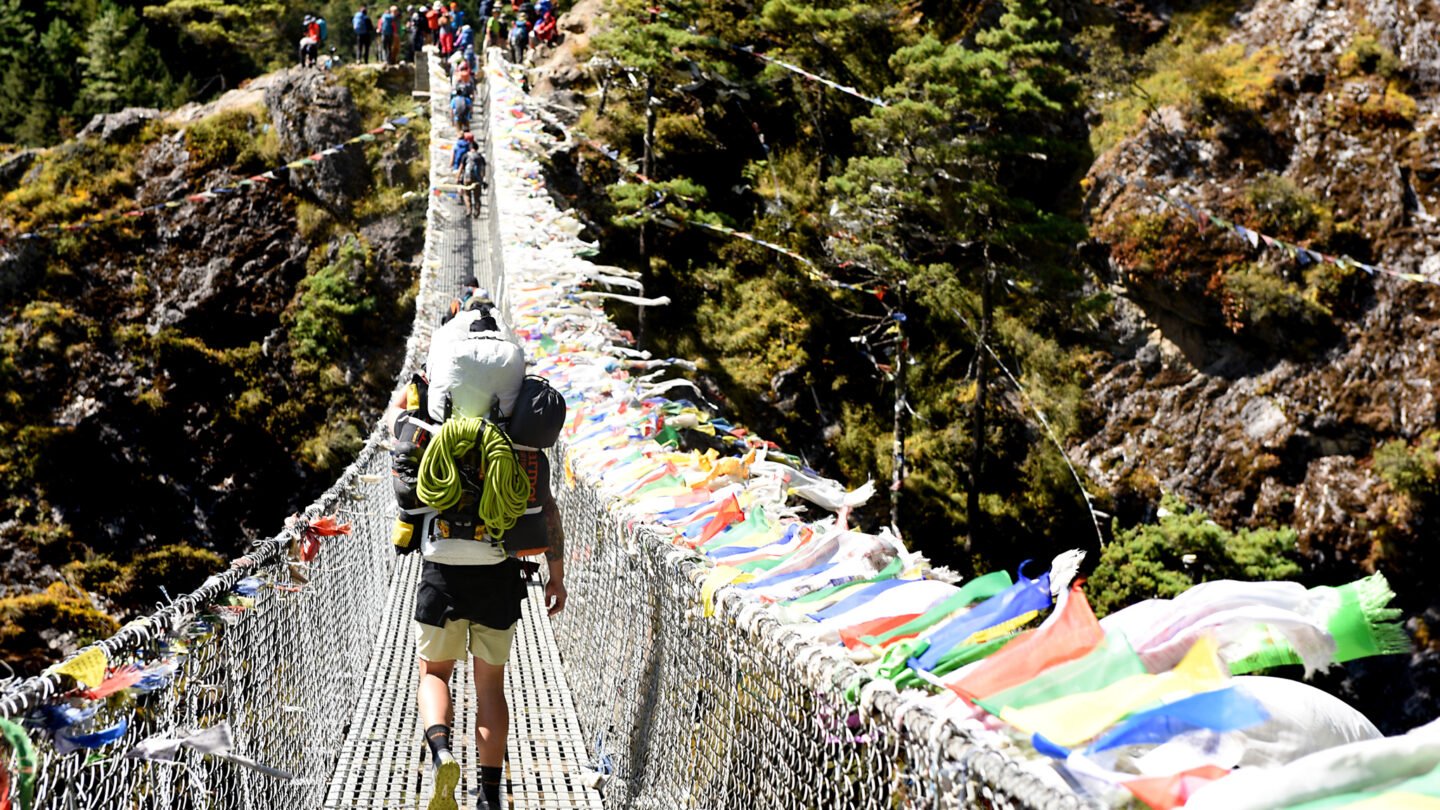
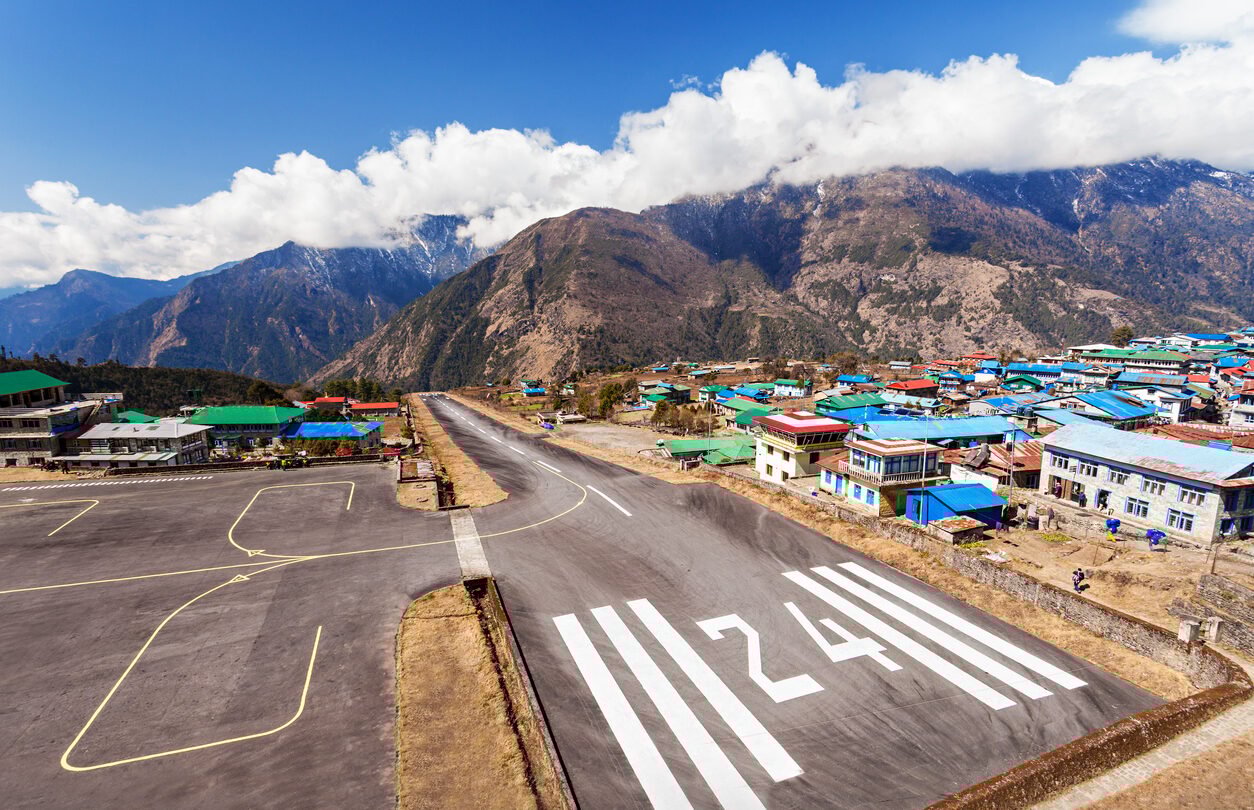


Apart from crossing Everest Base Camp Trek (and staying at the base camp) off your bucket list, you will also have the opportunity to summit Lobuche East, standing at 20,075 ft! You will climb Lobuche alongside an actual Everest summit team.
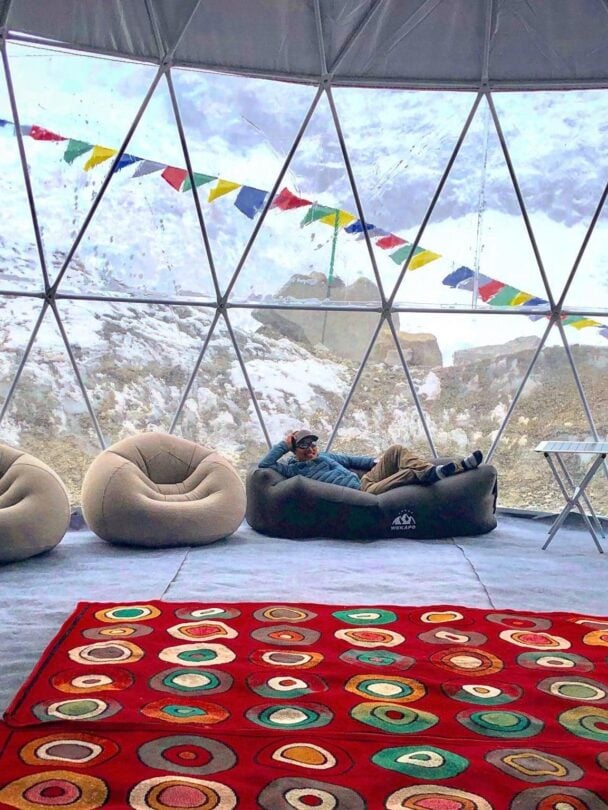
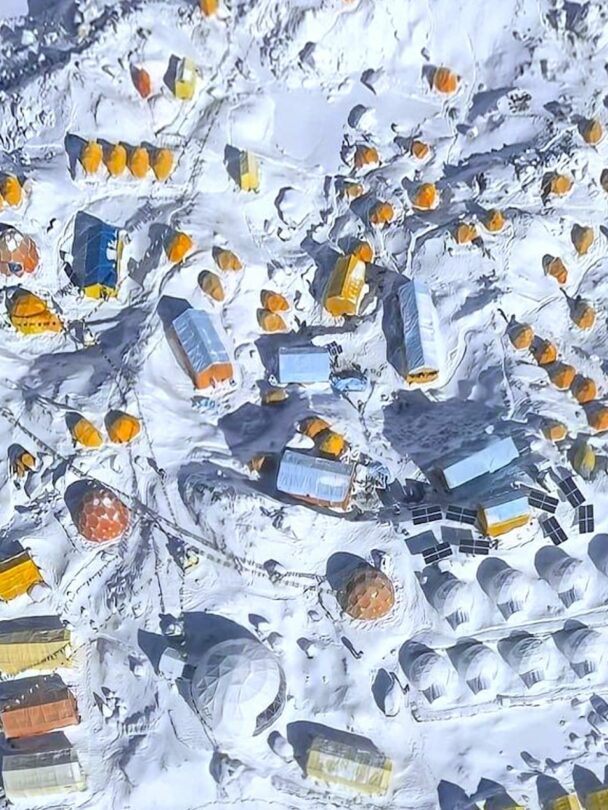
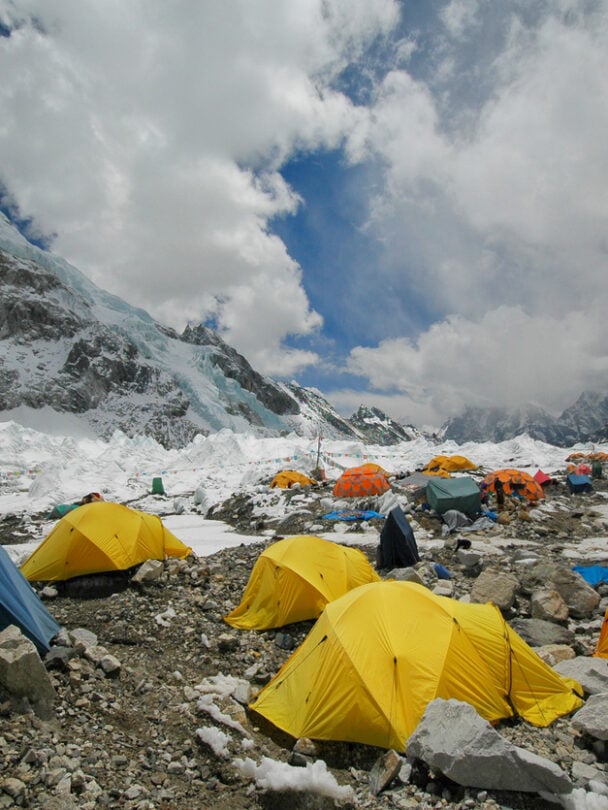
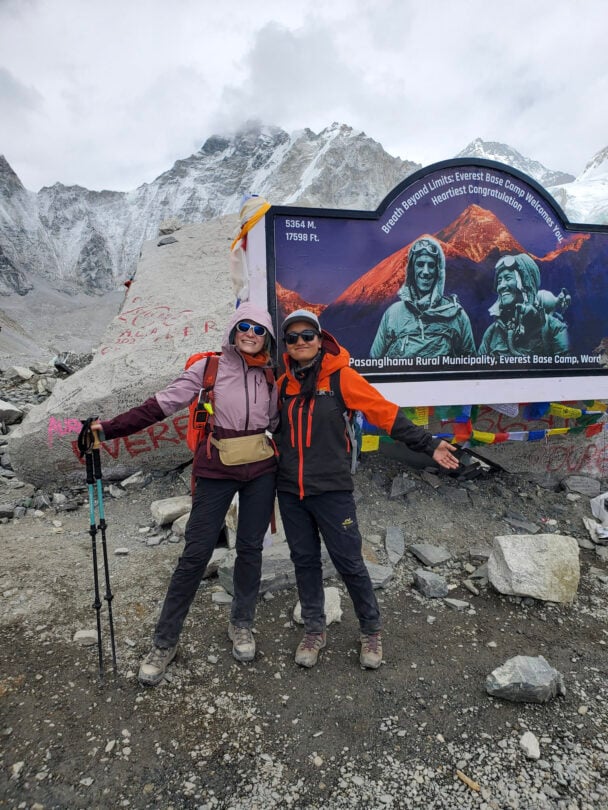
You will be welcomed into an actual Everest climbing team and trek alongside mountaineers who are attempting to scale the world’s largest peak! Apart from a terrific opportunity to chat with mountaineers, you’ll be invited to stay in a tent inside the Everest Base Camp. This is something that you won’t see most guided treks offering. Instead of just tagging the “trekkers rock” on the outskirts of camp and returning down into the valley, you’ll stay in Everest Base Camp for two days!
Everything on this trip is held to the highest standard, and so is food! You’ll eat in the finest teahouses and once you reach the base camp, you can expect delicious dishes from a top-notch cook.
Included:
Add-ons (pricing shown at checkout):
Not included:
In order to join this expedition, excellent fitness is required, along with basic mountaineering experience. You should be capable of climbing for up to 8–10 hours a day, comfortably managing 1,500 vertical ft (457 m) per hour while carrying a 15 lb (6–8 kg) daypack.
Your guides recommend starting mountaineering-specific training at least three months before departure, training a minimum of five days a week for an hour or longer, and prioritizing high-volume, low-intensity work over traditional gym routines. Building in consecutive multi-day hikes with significant elevation gain is ideal preparation. Prior familiarity with a harness, crampons, and ice axe is helpful, though skills clinics are built into the itinerary to refresh these before the climb. Plan to be away from home for around three weeks, including periods with no communication access.
If you’re unsure whether you’re fit enough to climb the 20,075-foot Lobuche, contact us and we can give you more information.
If you’d like to stick to Everest Base Camp Trek only, without the climbing experience, we have a regular Everest Base Camp Trek on offer. And if you’re looking for a one-of-a-kind experience, a truly luxurious trek to the base camp, then the rugged luxury EBC Trek is for you.
Tour operators require a physician’s assessment no later than 120 days before departure, with additional cardiac testing for climbers over 50.
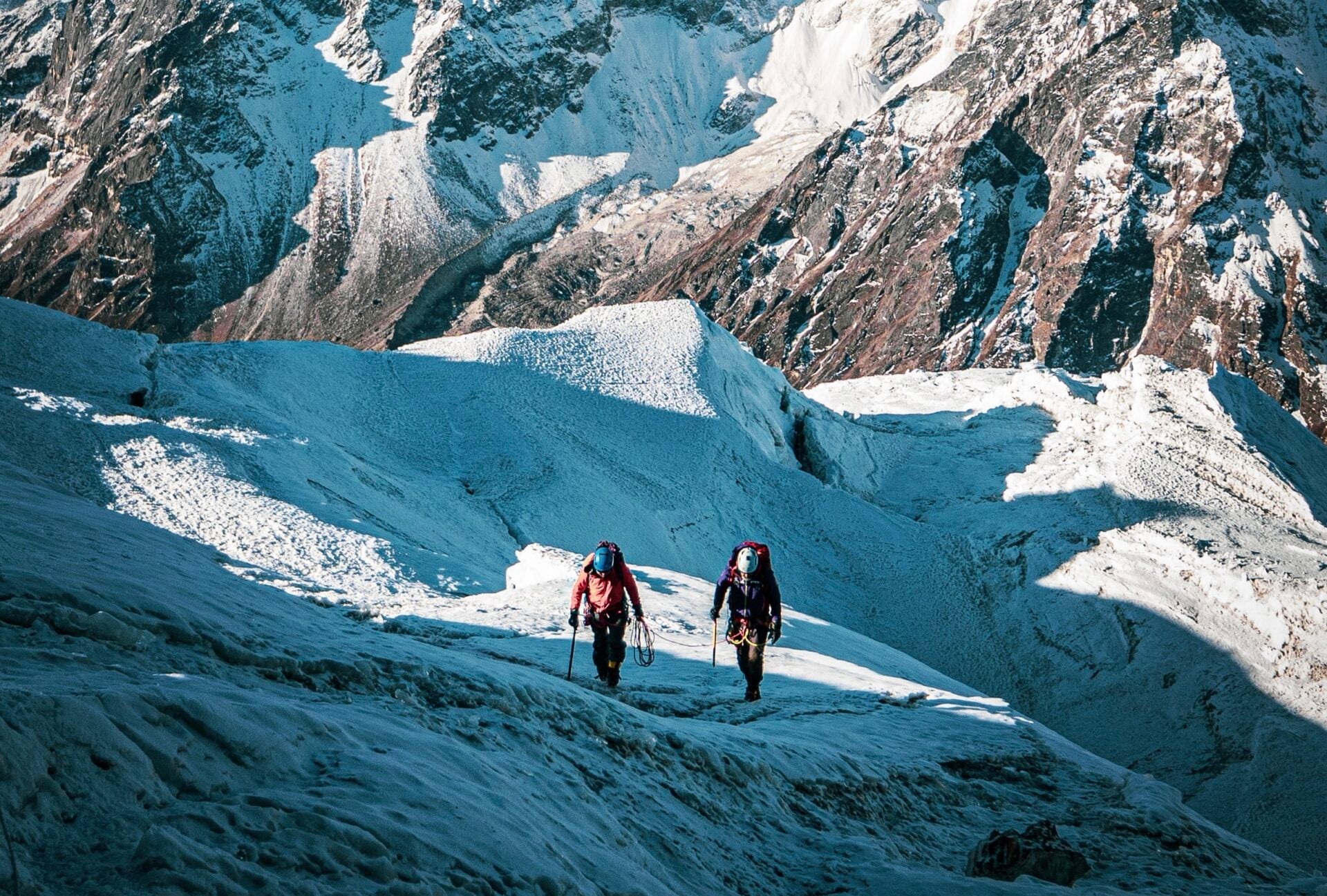
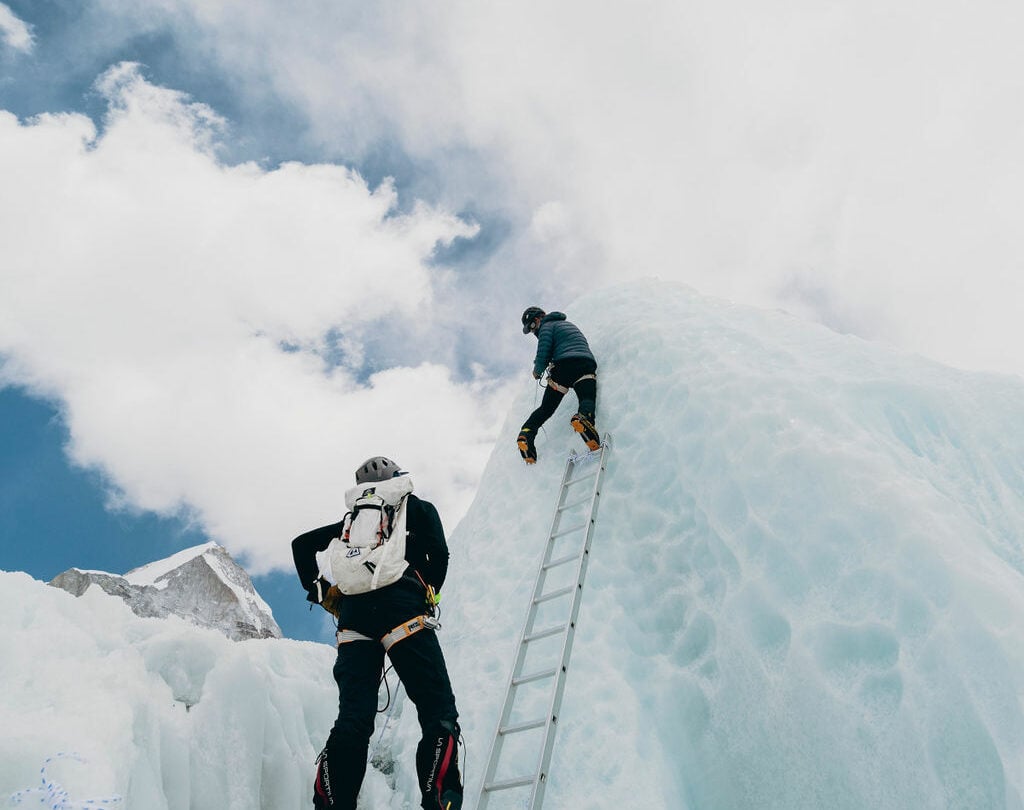
If you’re looking to summit Lobuche East, you should ideally have prior experience using ice axe, crampons, and glacier rope travel techniques. However, you will spend ample time retraining and refreshing these skills. Lobuche involves long rock/snow/ice slopes of moderate angle protected by a fixed line. The terrain and skill set required is similar to that found on the full Everest climb, making it a fantastic pre-climb or progression peak.
This is what the Lobuche climb usually looks like:
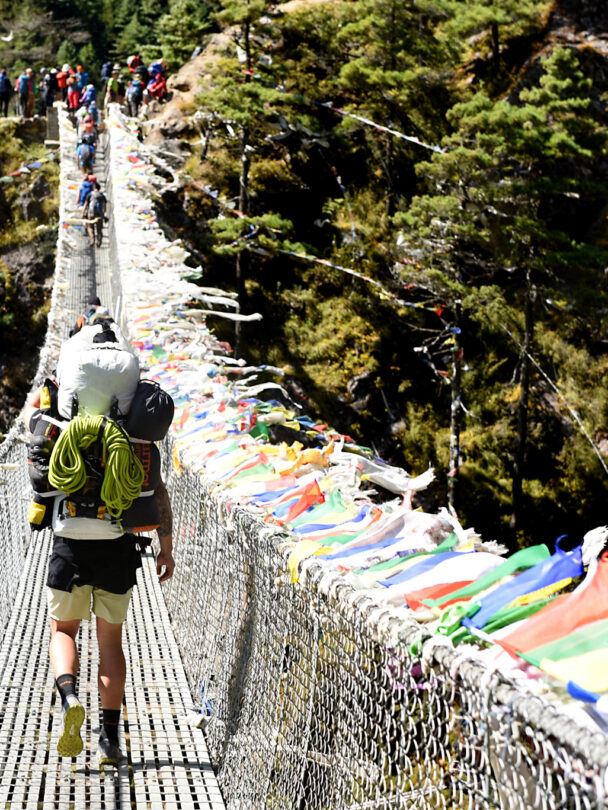
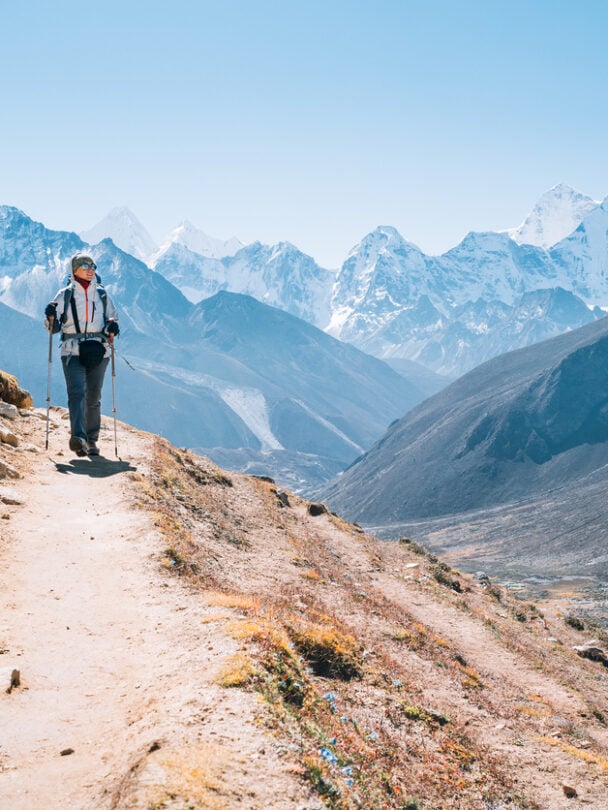
Walking at altitude is a slow process, so we encourage you to settle into the rhythm and pace set by your experienced guides. Enjoy taking in the magnificent views of the mountains around you, and the quaint villages that you pass through. There is no rush at altitude. You will spend 4 to 7 hours hiking each day. Be prepared to walk in all weather, and on undulating mountain terrain, crossing creeks and rivers and climbing some high passes. There will be rest and acclimatization days.
From the minute you land in Lukla, you are at altitude, and your body requires time to ease and adjust to this new altitude naturally. One of the best ways to do this is to climb slowly. This Everest Base Camp Trek tour is designed to allow time for acclimatization to minimize the stress of altitude on the body. However, illness at altitude can be experienced in varying degrees, from a slight headache, breathlessness or fatigue. Your guides know the signs and will work with you to help avoid and manage altitude illness. We will ask you to practice a very high level of hygiene at all stages of the trek. Your guides take many precautions to make sure we minimize the chances of our team members getting sick.
This gear list has been carefully compiled over years of treks and expeditions. Please take it seriously. All of the items on the list are mandatory. If you don’t have all the items on the list, you will be required to purchase them in Kathmandu. Please contact us for specific items or more details on items.
Climbing equipment
Clothing
Personal equipment
Personal items
Got everything you need? Grab your gear through Active Junky and earn cash back on top outdoor brands — plus a $10 bonus on your first $25+ purchase. Shop now at Active Junky!
Group sizes and pricing:
Everest Base Camp Trek tours & Lobuche climb can be arranged for larger groups. Contact us to make arrangements.
Min. age requirements:
If your group has hikers under the age of 18, contact us prior to booking to make arrangements.
To get to Kathmandu, Nepal’s capital and the starting point of your tour, most people fly into Tribhuvan International Airport.
Your guides will pick you up at the airport and transfer you to your five-star hotel in Kathmandu. Feel free to arrive any time, but make sure you communicate it well with your guide so they know when to pick you up.
Apart from the fact that you’ll have a highly experienced and knowledgeable person by your side—who’ll also make sure you have the best time in the country—trekking in Nepal is no longer allowed without a guide. This decision has been made for the tourists’ benefit, as many tourists have gone missing over the past few years when they went trekking by themselves.
Covering all your bases with insurance is mandatory (trip cancellation, interruption, rescue & evacuation, medical treatment, repatriation, etc.). To make your booking and traveling experience as carefree as possible, you’ll be offered to simply insure your trip with Redpoint at checkout.
Redpoint—the official 57hours insurance partner—tailors protection packages for adventure travel, offering a comprehensive travel program, even in remote locations! Trip cancellation, natural disasters, pandemic coverage, medical evacuation, primary medical expenses—regardless of the travel interruption that may happen, Redpoint will have you covered.
Secure your spot with a 50% deposit upon booking! The remaining 50% of the trip price must be paid 120 days prior to departure at the latest. If booking within 120 days of departure, the full amount is required at the time of booking.


Check your inbox.
Schedule a call with our adventure experts and let us help planning your dream adventure.


I will never forget that you believed in me when I didn’t believe in myself. For that, I will always be grateful.