I’m from the UK. Before I moved to Japan, my picture of the country was Tokyo, Kyoto, Osaka: the polished, famous version that fills every travel magazine. Then I was placed in a mountain village north of Hiroshima. Population: 3,000. Most residents over 65. No tourist infrastructure, no English menus, no crowds.
Two years later, my life had changed. I was completely in love with rural Japan, the kind that doesn’t adapt itself to visitors, that simply exists on its own terms and lets you in slowly if you’re patient enough to stay.
That love eventually brought me to Shikoku, the smallest and least visited of Japan’s four main islands. I settled in Matsuyama, started exploring by bike, and found what I’d been looking for.
Shikoku cycling is not a tour designed around what’s famous. It’s a route built around what’s real: empty back roads with perfect tarmac, mountain gorges that most Japanese people have never visited, and food cooked by people who have never needed to explain themselves to a tourist.
The rest of Japan is wonderful. But this is the part most people never find.
The Japan Nobody Talks About
Shikoku is the fourth-largest of Japan’s main islands and by far the least visited. That’s not a problem to solve. It’s the entire point.
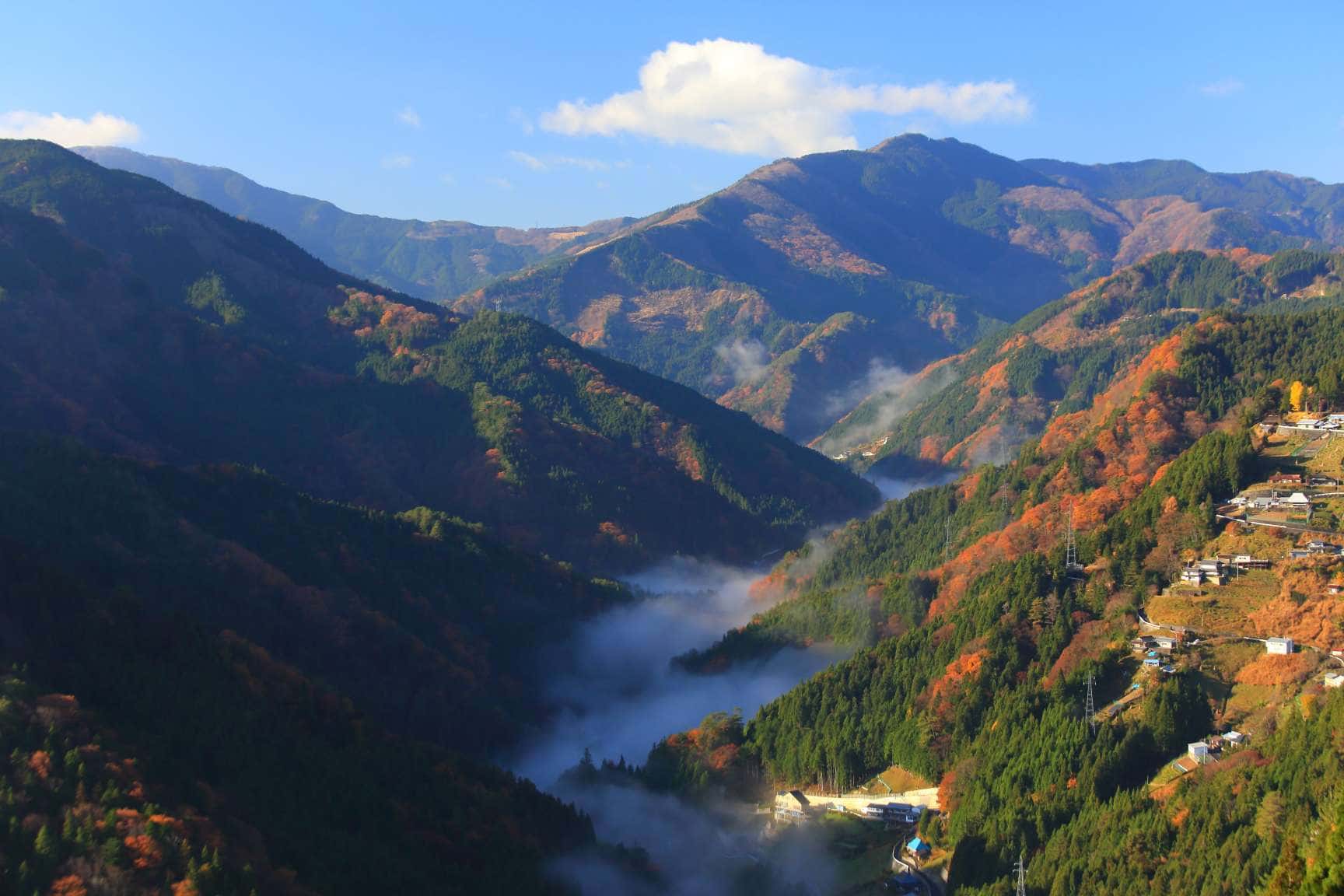
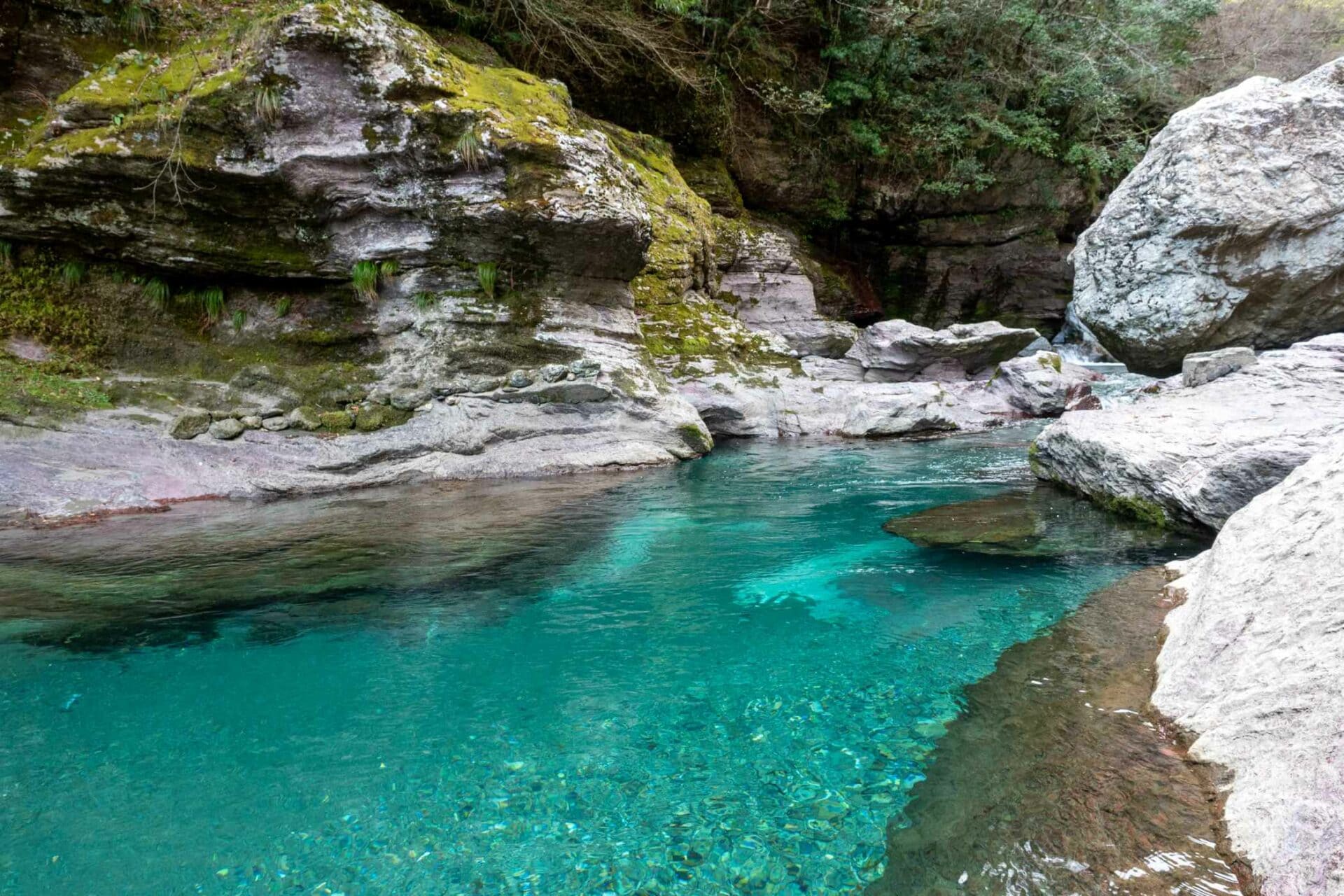
Tokyo and Kyoto are magnificent and also, in places, overwhelmed. Shikoku has not been overwhelmed. It has ancient castles, one of the great Buddhist pilgrimages in the world, mountain gorges carved by rivers that still run the colour of jade, and back roads so quiet that the loudest sound for long stretches is your own breathing and the birds.
Three of Japan’s twelve original pre-1850 castles stand on this island. An 88-temple pilgrimage circuit that predates most of Europe’s famous walking routes crosses all four of its prefectures. The Seto Inland Sea, which borders it to the north, was once pirate territory. These are not minor footnotes. They’re the bones of a place with genuine depth, and almost nobody outside Japan knows they’re here.
Cycling Shikoku island is the way in. Not a bus tour, not a train, not a rental car. A bike, on the back roads, at the pace where you actually see things.
Why the Roads Change Everything
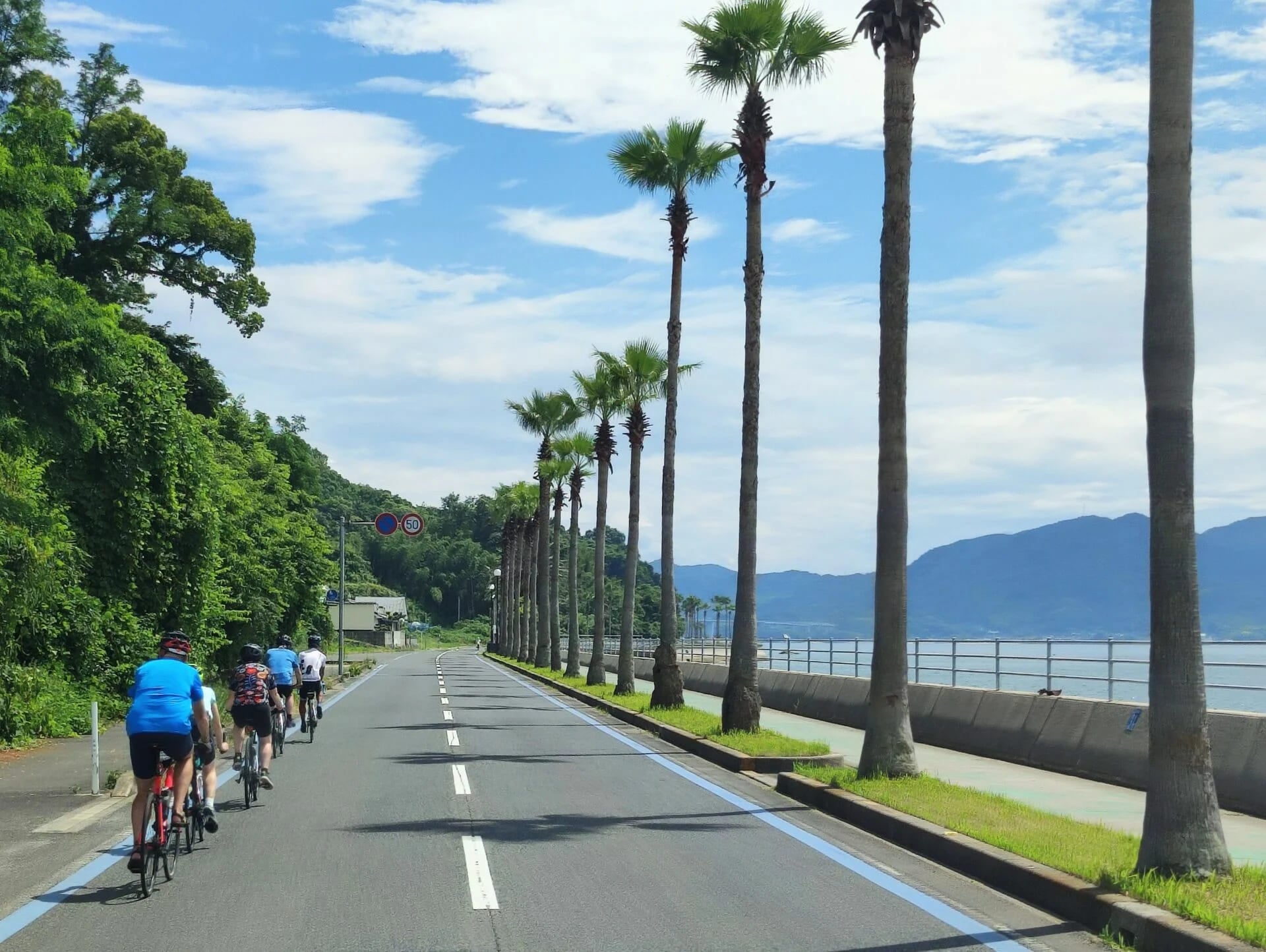
Japan takes its roads seriously, and this matters more than it might sound. Even on remote mountain lanes in Shikoku, the tarmac is maintained. Surfaces are smooth and reliable. There are no potholes to scan for, no broken edges on descents. That means your head is up. You’re looking at the landscape instead of the road in front of your wheel.
About 80 to 85 percent of our route is on back lanes where you can go for long stretches without seeing a vehicle. No one shouts from passing cars. No one cuts corners. For anyone who has done road cycling in Japan’s busier corridors, or road cycling almost anywhere in Europe, the contrast is immediate and quietly extraordinary.

Japanese road culture simply treats cyclists differently. In fifteen years of riding here, I can count difficult driver interactions on one hand. That alone changes the quality of every single day on the bike.
The quiet also reveals things. When there’s no traffic noise, you notice the rivers. You notice the shrines tucked into hillsides. You notice the old woman tending a garden who looks up and waves as if a passing cyclist is the most natural thing in the world.
These are the moments that don’t make it into guidebooks because they can’t be planned. They happen because you’re on the right road, moving slowly enough to see them.
What Is the Shimanami Kaido?
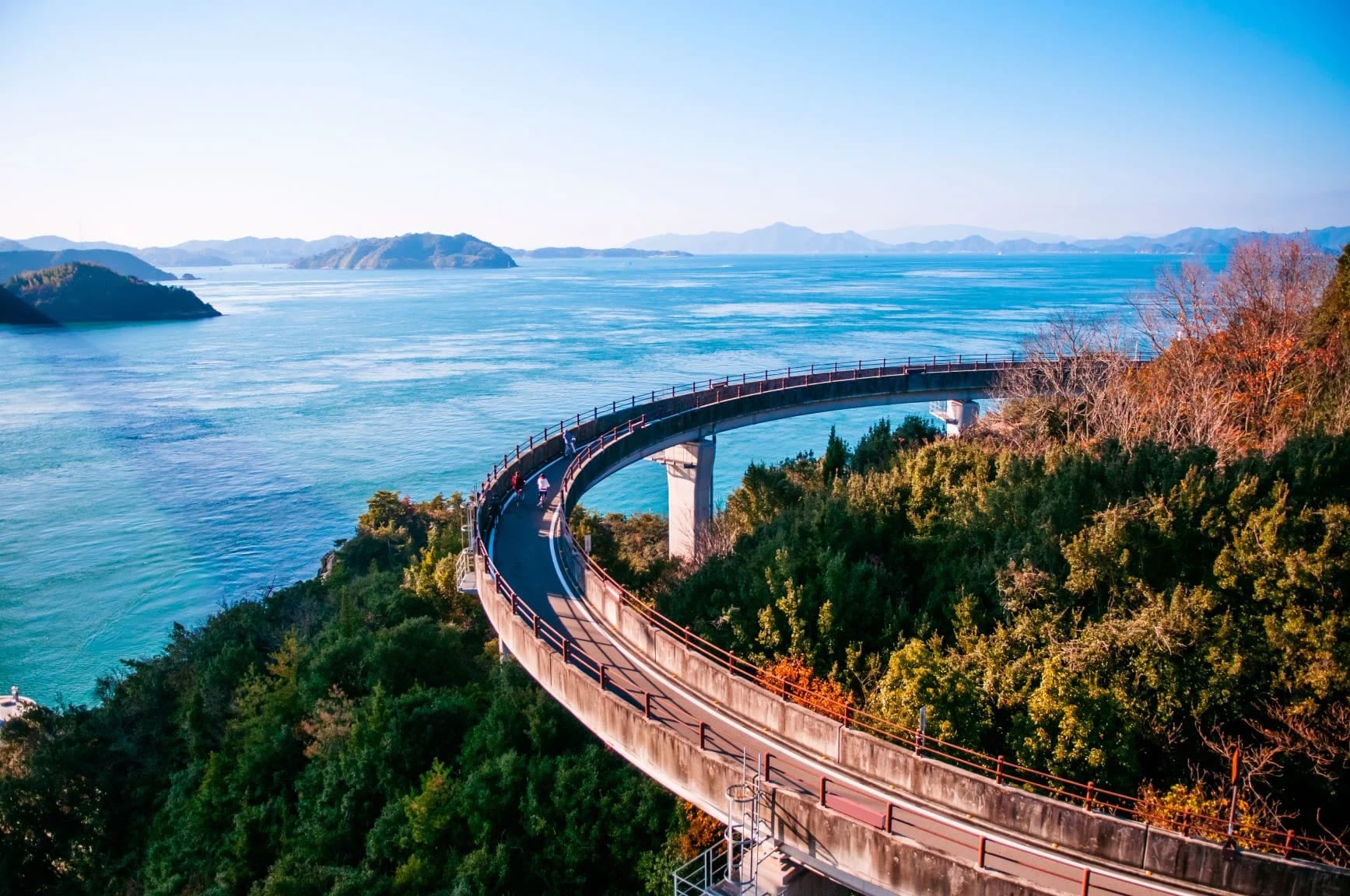
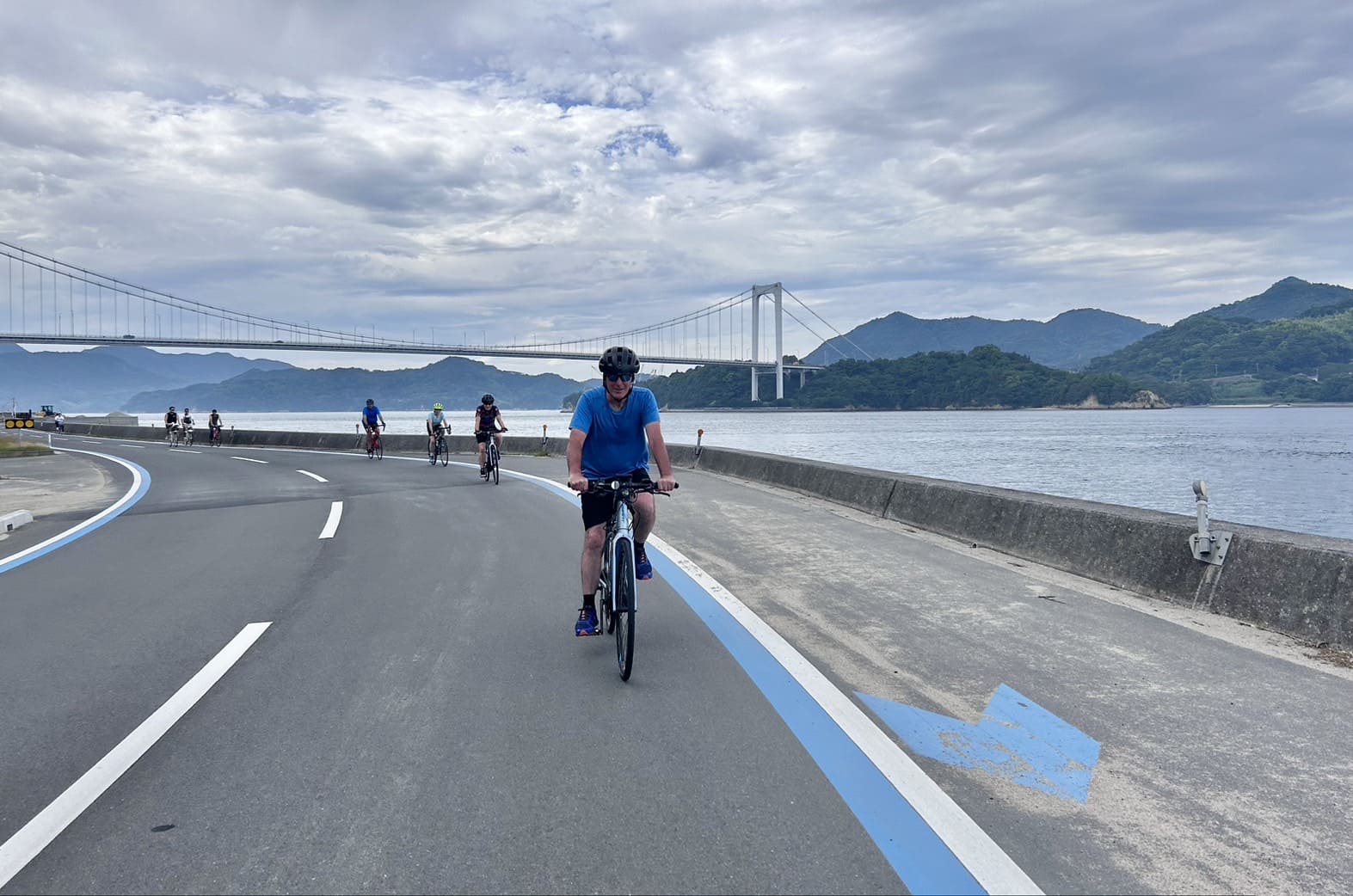
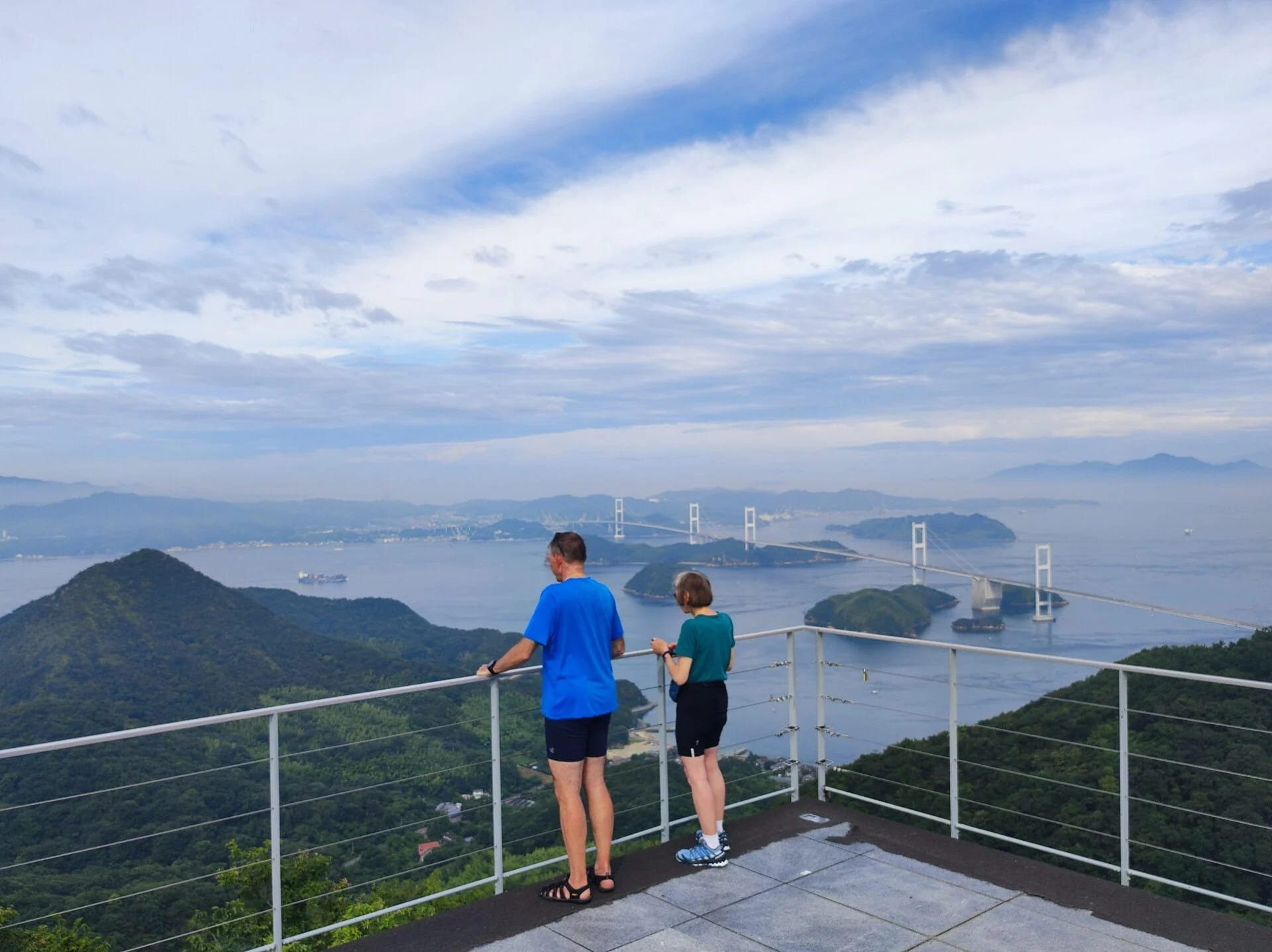
The Shimanami Kaido is one of the best cycling routes in Japan and one of the most famous cycling routes in the world. It’s a series of six bridges built across the Seto Inland Sea, connecting Honshu to Shikoku via a chain of small islands. Each bridge has a dedicated cycling path engineered into its structure. You cross open water on a bike, the sea dropping away below you, islands scattered in every direction.
It spans roughly 70 km (43 mi) in total. At a comfortable touring pace, most cyclists complete it in a full day. The bridges were built for traffic, but when the engineers designed them, they included the cycling infrastructure deliberately. The result feels almost too good to be true: a national cycling route suspended above an inland sea that used to be pirate territory.
The idea for all of this actually started on that same bridge. Miho and I were crossing the Shimanami Kaido one afternoon, looked around at how few people were there, and thought: someone needs to bring riders here!
Why we always start here
We open our Shikoku cycling route on the Shimanami Kaido because it’s the right introduction to what’s coming. It’s spectacular and it’s famous and it earns both. But it’s also, in a sense, still the threshold.
The Shikoku that most people never reach starts on the other side of the final bridge.
How long is the Shimanami Kaido cycling route?
The full Shimanami Kaido bike route runs approximately 70 km (43 mi) from Onomichi on Honshu to Imabari on Shikoku. Most cyclists complete it in one day at a touring pace. On our route, we ride the bridges as the opening leg before continuing south and east into the island’s interior.
Into the Interior: Where Shikoku Cycling Begins in Earnest
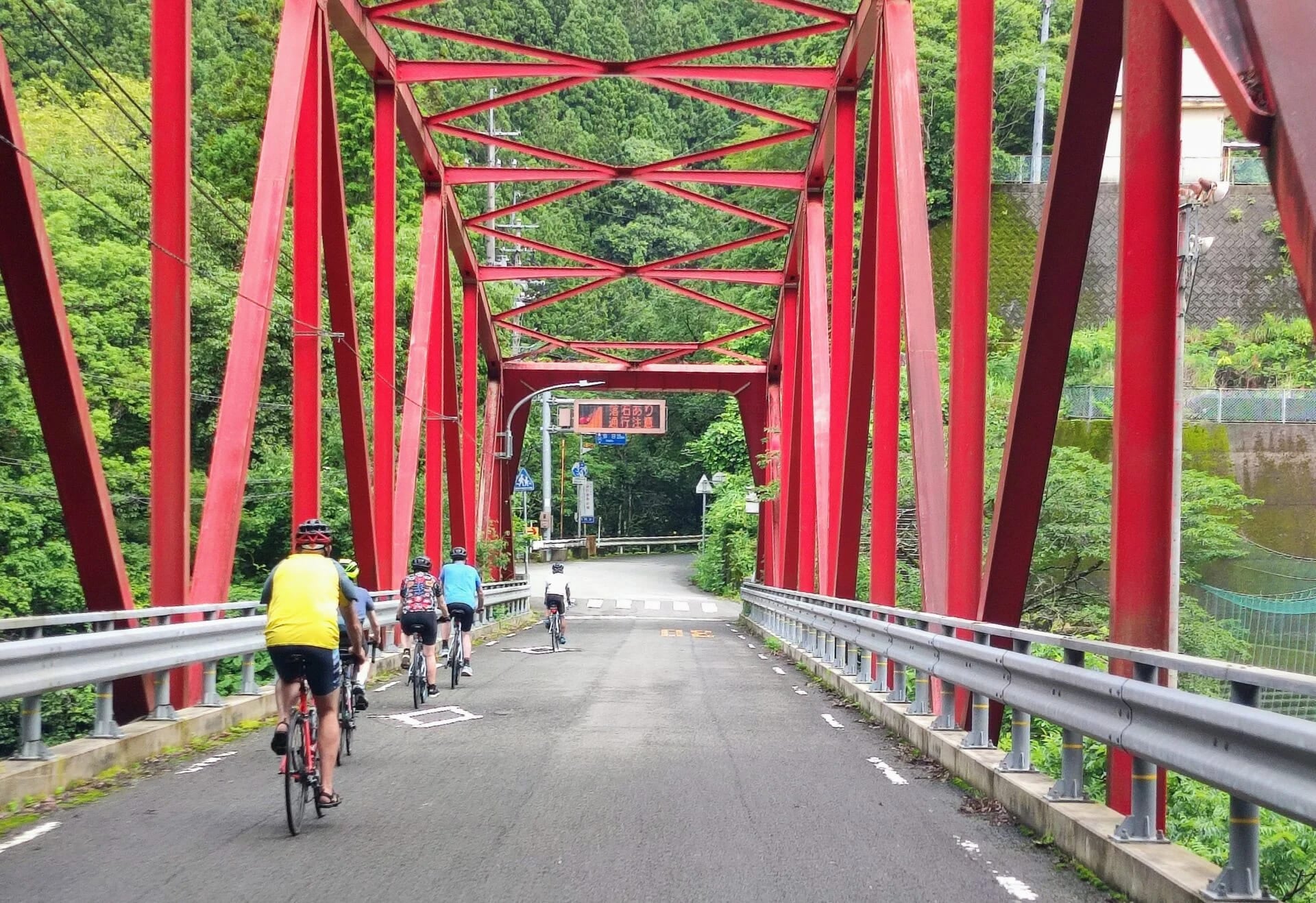
Miho, my partner and co-guide, was born and raised on Shikoku. She knows this island better than anyone I’ve ever met. Together, we spent years building our route, not from a map, but from the saddle.
We followed roads that turned into overgrown tracks. We found paths blocked by rockfall. We climbed hills that ended at locked gates and turned back. Every dead end narrowed down where the real route was.
What we found, buried inside all of that searching, is a six-day crossing that covers approximately 380 km (236 mi), passing through all four of the island’s prefectures. Each day averages around 60 to 70 km (37 to 43 mi).
The longest day reaches 80 km (50 mi). There is one significant climb per day, ranging from steady rhythm ascents to mountain efforts that gain close to 900 m (2,953 ft) in a single push.
The route moves from the Seto Inland Sea coast through the mountain spine of Ehime Prefecture, down long river descents, through the earthy food culture of Kochi, up into the deep gorge country of the Iya Valley, and finally out to Kotohira, where a hillside shrine with 785 steps is either a perfect finale or a quietly cruel joke depending on how the legs feel by that point.
The mountain roads of Ehime
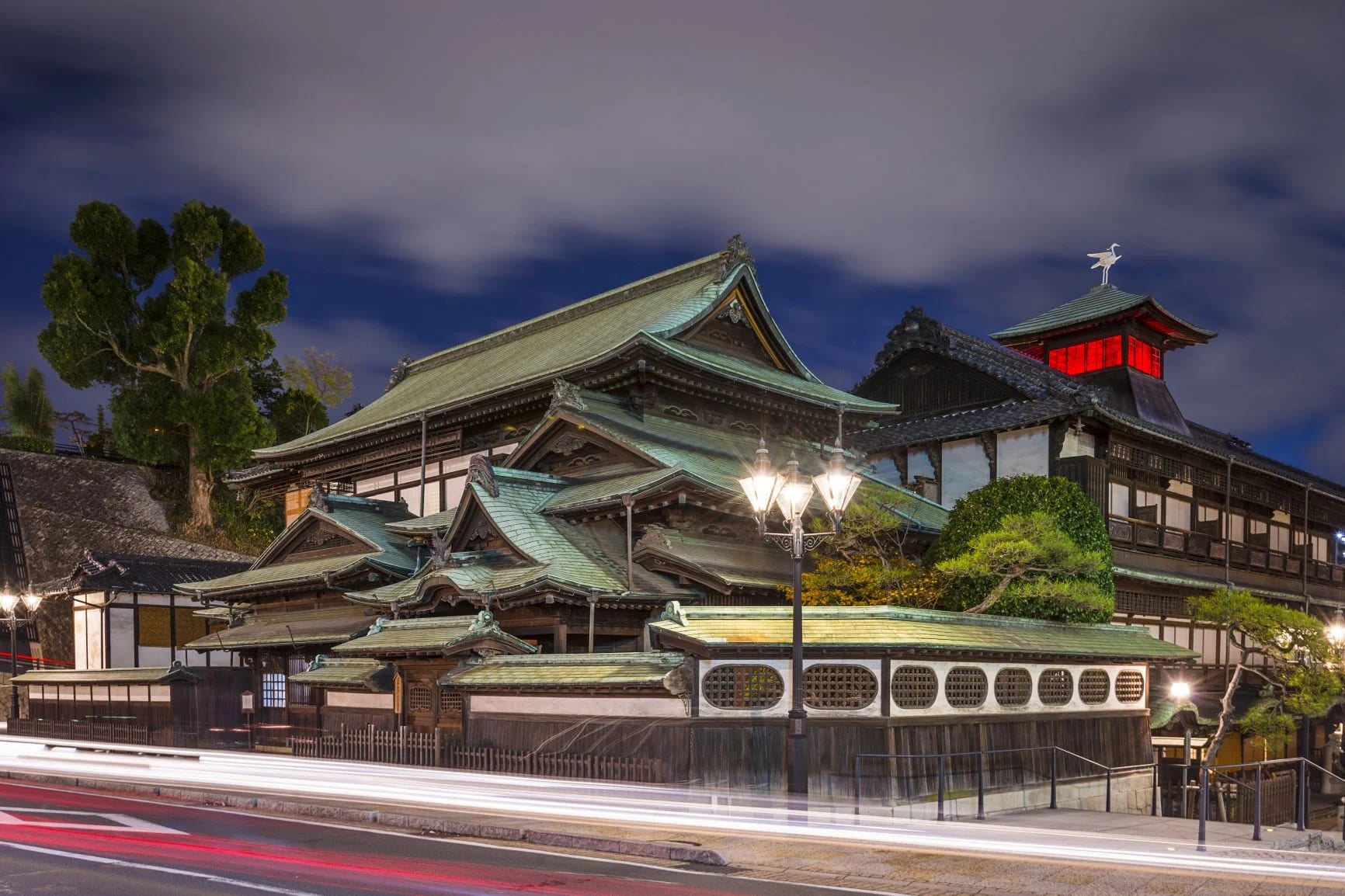
Once the Shimanami Kaido is behind us and we move into the mountains of Ehime, the character of Japan’s countryside cycling shifts completely.
The climbs become sustained. One ascent gains around 800 m (2,625 ft) over 12 km (7.5 mi) at a steady six to seven percent gradient, long enough to find a rhythm, hard enough to earn the view at the top, which on a clear day reaches all the way back to the Seto Inland Sea.
What follows is one of my favourite stretches of riding anywhere on the island: a long descent following the Ogor River through the mountains, the water running in shades of deep green and pale blue depending on depth and season.
The descent lasts for most of the afternoon, and the onsen hotel waiting at the bottom tends to make conversation go quiet very quickly.
Kochi and the roads that took weeks to find
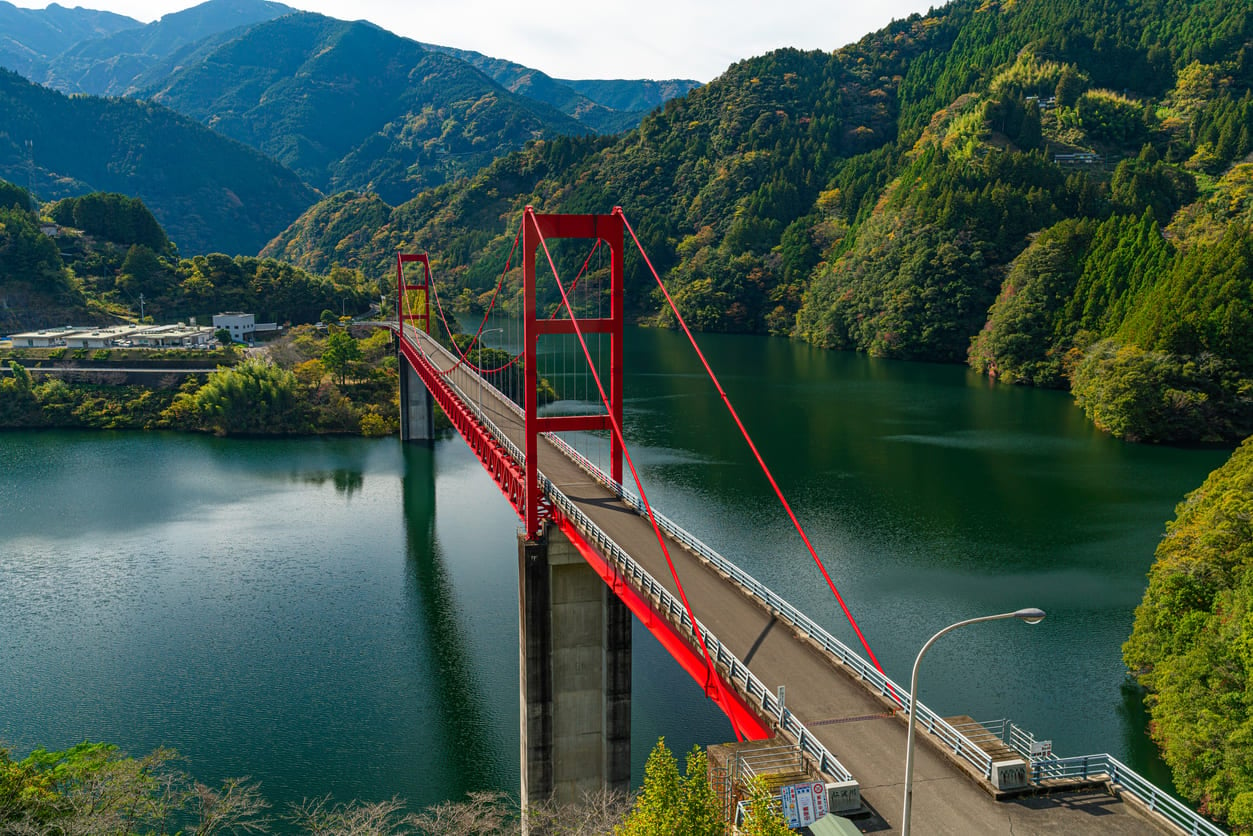
Kochi Prefecture has a different quality to the north. It’s rawer, more rural, less polished. The food culture here draws people from across Japan. We spend an evening at the Hirome Ichiba, the city’s famous covered market, where long communal tables and local dishes dissolve whatever is left of group formality by the third day.
The mountains around Kochi are where Shikoku cycling gets genuinely hard. Two significant back-to-back climbs on one of the later days push total elevation gain close to 1,500 m (4,921 ft). I warn groups about this day in advance. They thank me for the warning afterwards, but only after the descent.
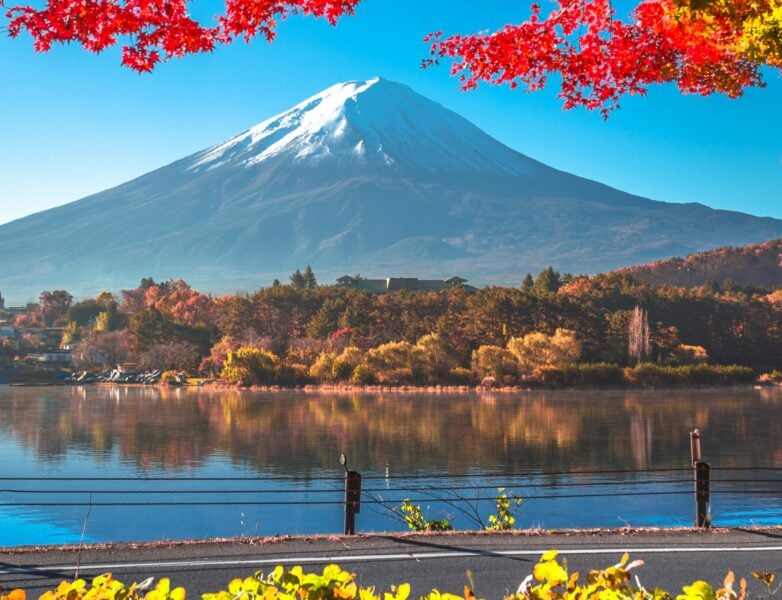
One of the roads on this section took Miho and me weeks to find. Every alternative out of Kochi City led somewhere impassable: overgrown tracks, collapsed cliff sections, locked gates. When we finally found the line that worked, it passed a roadside shrine so consumed by the forest it looked like the trees had been growing through it for centuries.
We kept it on the route because of that shrine. It’s not on any map. It’s the kind of thing that only exists because someone spent weeks looking for it.
The Iya Valley and what most of Japan has never seen
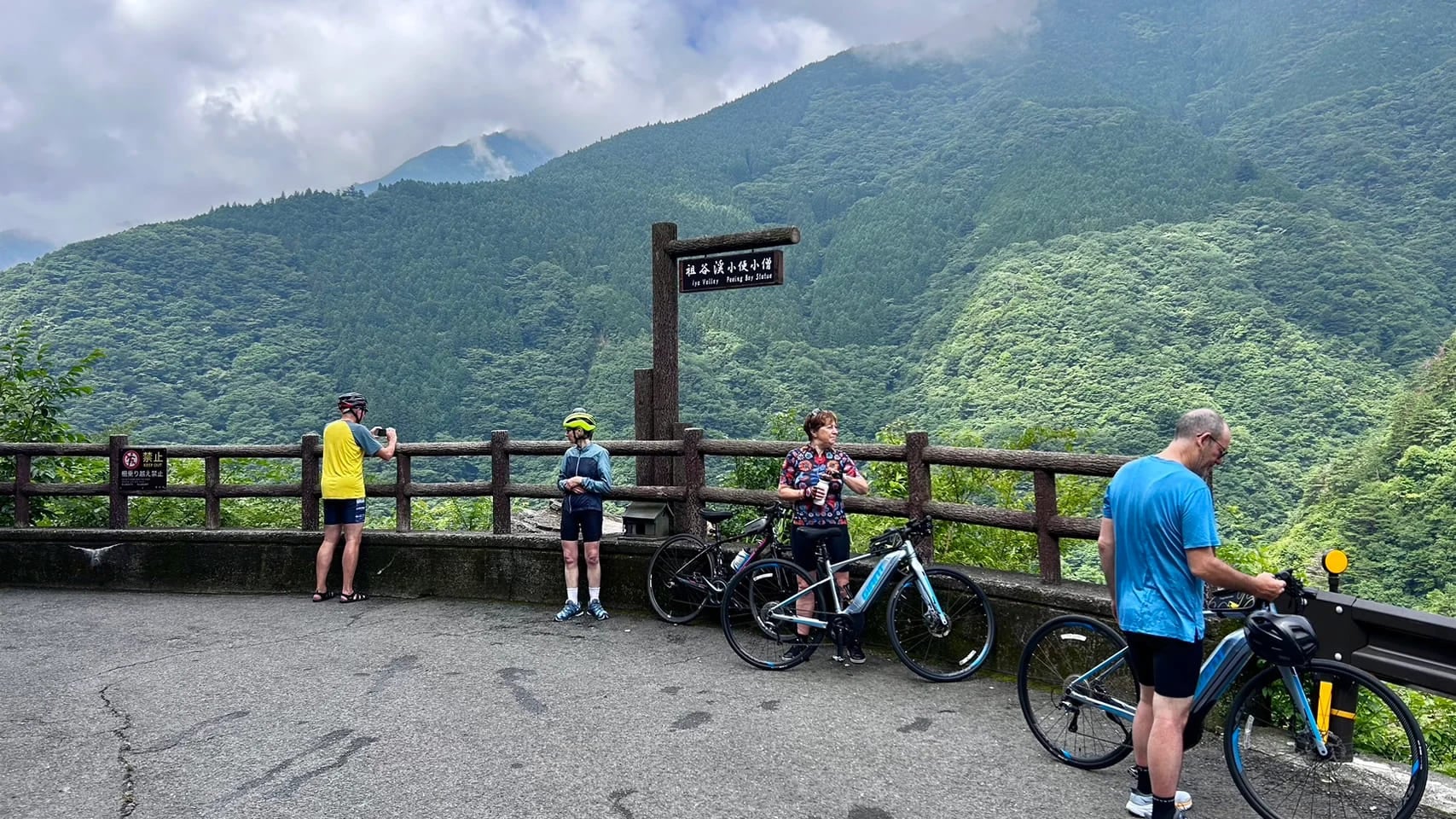
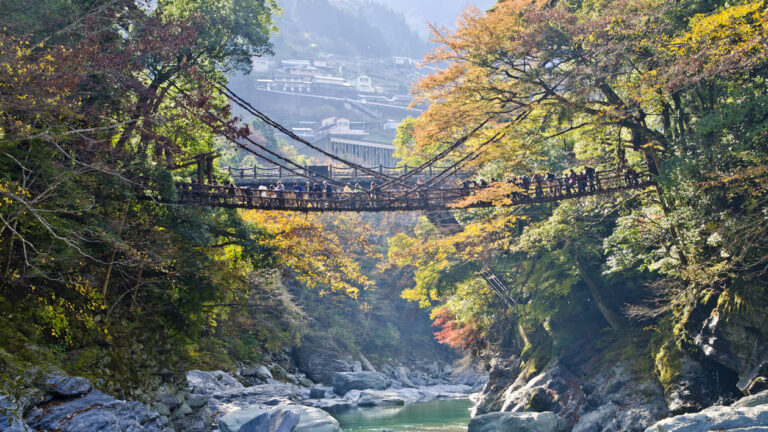
The Iya Valley is where the route earns its reputation even among Japanese travellers who know Shikoku. Deep gorges, ancient vine bridges, views that look altered until you’re standing inside them.
The Kazurabashi bridge here was built in the twelfth century by Heike warriors who could cut the vines behind them to block pursuing enemies. That history sits differently when you’re on the bridge above the canyon, looking down.
This is the part of the island that most Japanese tourists from the main cities have never visited. It’s remote in a way that feels earned. You arrive here having crossed mountains and followed rivers for days. The valley receives you accordingly.
The Food Nobody Warned You About
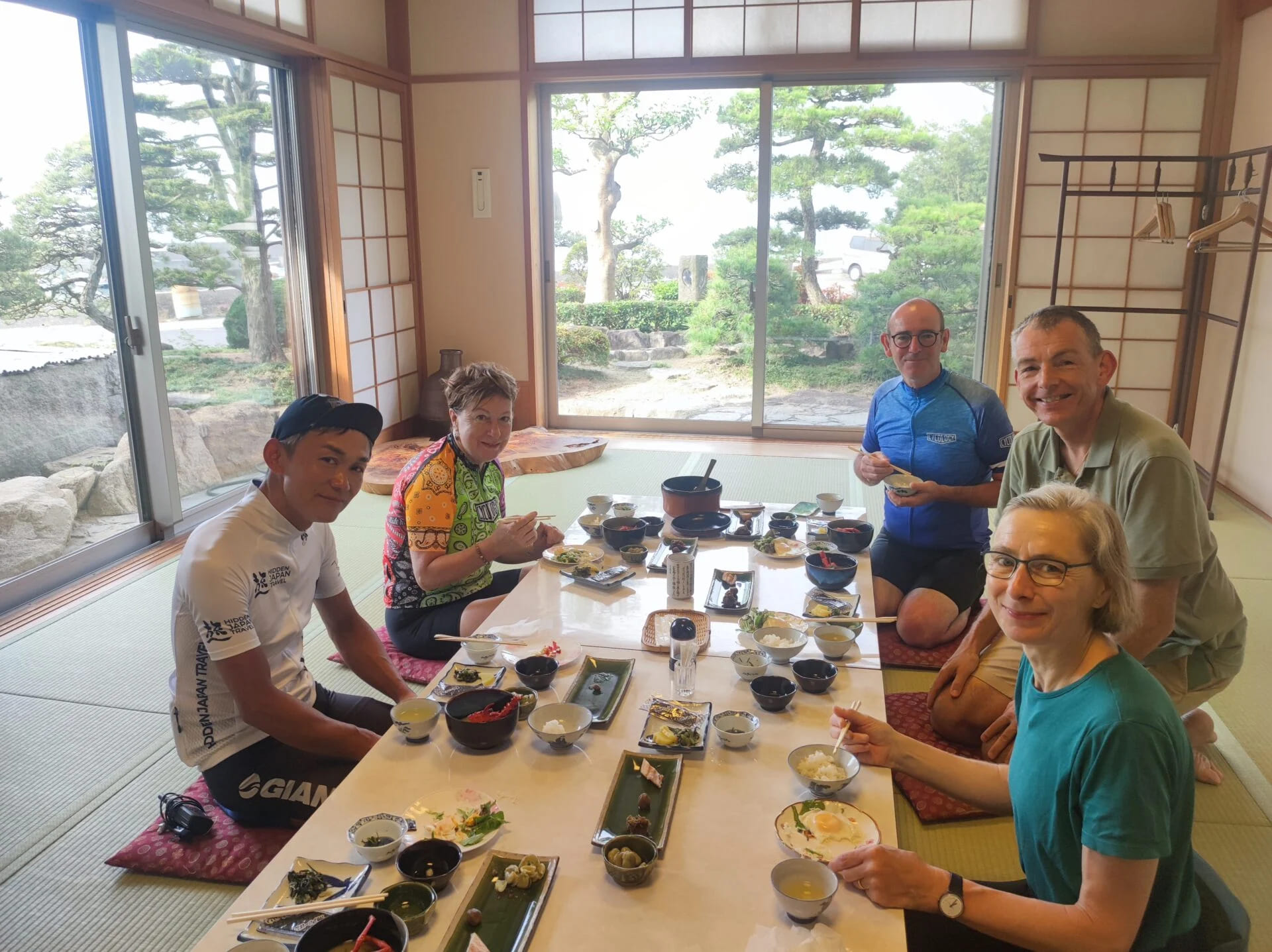
Cycling and great food go hand in hand. That’s a fact. So I want to be direct about this: the food on this route is not a bonus. It’s a core part of the experience, and anyone who describes it as a highlight of their week is not being polite. They mean it.
In the north, fresh sea bream is pulled from the fast currents of the Seto Inland Sea. Those currents are among the strongest in Japan. The fish fight against them, which means the flesh is denser and more intense than sea bream almost anywhere else. You eat it having watched it arrive from roughly a hundred metres away.
In Kochi, the speciality is katsuo no tataki, bonito tuna seared over a straw fire at the table, the hay flaring and the smoke rising while the fish sits at the edge of raw and cooked.
Last time I was at one of the restaurants near the market, the two men at the next table had driven for eighteen hours specifically to eat it. They were leaving the following morning. I thought that was extreme. Then I tasted the fish again and understood completely.
Miho handles the aid stops. She knows a farmer who grows the best watermelons on the island. She knows which roadside stall makes the right onigiri for a mountain climb. One guest once described the whole tour as a picnic around Shikoku. That’s not entirely wrong, and it’s not a complaint.
We also visit a restaurant run by a woman who has been making a single dish for 37 years. Okonomiyaki, a thick savoury pancake layered with cabbage, egg, bacon, and complete dedication. She is the kind of cook who makes food taste better before you’ve taken a bite. These meals sit in the memory alongside the summit views, which is exactly where they belong.
How Difficult Is Cycling in Japan on This Route?
Shikoku cycling is moderate to challenging, and the honest version of that answer depends on the section. The coastal opening, the river descent days, and the final approach to Kotohira are accessible to anyone who cycles regularly. The mountain days require something more.
The key figure is 65 km (40 mi) per day on average, with 80 km (50 mi) as the maximum. If you can ride comfortably for consecutive days at that distance, you will manage. The cumulative effect of six days is real but it responds well to preparation.
My advice is always the same: in the weeks before you come, cycle every day even if it’s only 20 minutes. It’s not the individual climbs that test people. It’s the consecutive days. Build the daily rhythm beforehand and the route rewards you for it from day one.
What bike do you need for cycling in Japan?
We provide quality cross bikes with flat handlebars that keep you upright over long days. When your body is in a natural position, you look at the landscape rather than the road. For road cycling in Japan purists, road bikes are available at the start point through a rental shop with premium carbon options. Both work on this terrain.
E-bikes are available as an optional upgrade. Any hesitation about using one disappears at the first real climb. Some of our guests are in their eighties. The route is the same for everyone. E-bike tours simply make more of it possible for more people, which is the only thing that matters.
When Is the Best Time for Shikoku Cycling?
Spring and autumn are the two seasons I’d choose without hesitation. April through June and September through November offer moderate temperatures, reliable road conditions, and the most dramatic scenery the island produces.
Spring means cherry blossoms in the valleys, snow still sitting on the high ridges, and if the timing lines up, rice planting season in the lower fields. The flooded paddies in morning light are worth whatever scheduling adjustment it takes to be there.
Autumn is arguably the strongest window. The harvest turns rice fields gold. Mountain colours shift in a way that makes familiar roads feel new. September and October see the summer crowds thin out, which on an already quiet island means the back roads feel entirely like your own.
Summer is possible, especially in the mountains. Late May and June bring the rainy season, so a light waterproof jacket is essential for cycling holidays in Japan at that time of year.
Winter exists for committed riders: the air is sharp, the island is quiet, and the roads stay clear on the lower sections, but mountain terrain gets cold and some accommodation thins out.
How Many Days Do You Need to Cycle Shikoku?
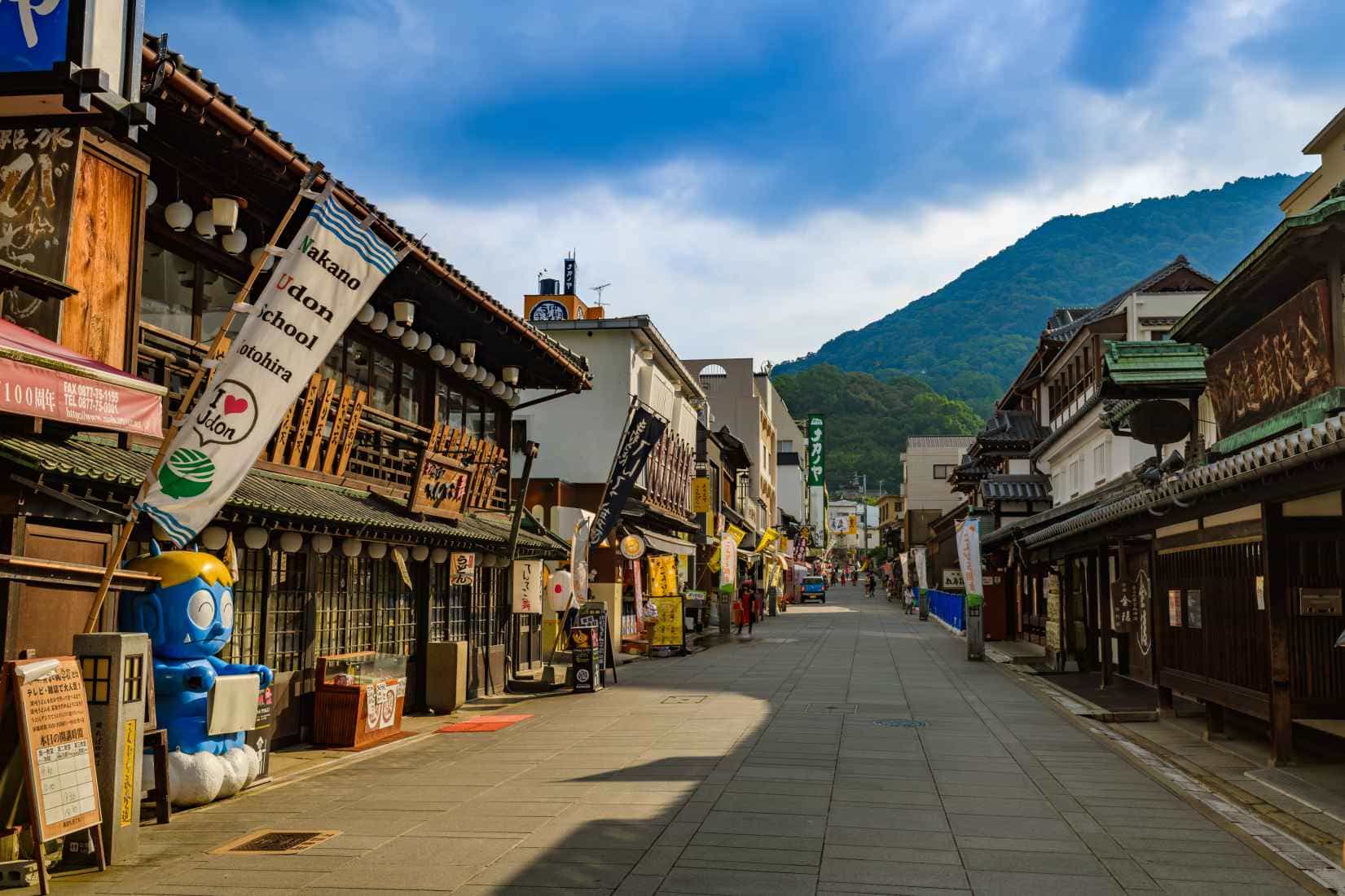
Six days is the structure our route is built around and the minimum I’d recommend for experiencing Shikoku cycling as a complete journey. That covers all four prefectures, the Shimanami Kaido, mountain country, Kochi’s food culture, the Iya Valley, and the final shrine town: everything that makes the island worth the distance.
Shorter trips focused on the Shimanami Kaido alone are genuinely worthwhile. The bridges are among the best cycling routes in Japan and they earn that reputation. But without the interior, you see the famous version of Shikoku. The real version starts on the other side of the final bridge and takes longer to reach.
Getting There and What to Bring
Most international travellers fly into Tokyo, Osaka, or Fukuoka and connect to Hiroshima. From Hiroshima airport, a train to Onomichi takes around 40 minutes. Most guests arrive the evening before, which means the first morning starts with everyone already settled and, almost always, already charmed by the town.
Accommodation across the route mixes family-run traditional inns with modern hotels, several beside onsen hot springs. One night is spent around an irori, a traditional sunken hearth with a fire at the centre of the room. Another is near Dogo Onsen, one of the oldest hot springs in Japan. The support van handles luggage transfers and meets us at aid stops. You ride with a daypack or nothing at all.
Two pairs of cycling shorts, two jerseys with at least one long-sleeved option, gloves, and a light wind or waterproof layer cover most conditions. Helmets are provided. If you have clipless pedals you trust, bring them and we’ll swap them onto the bike at the start.
What Happens to People on This Route
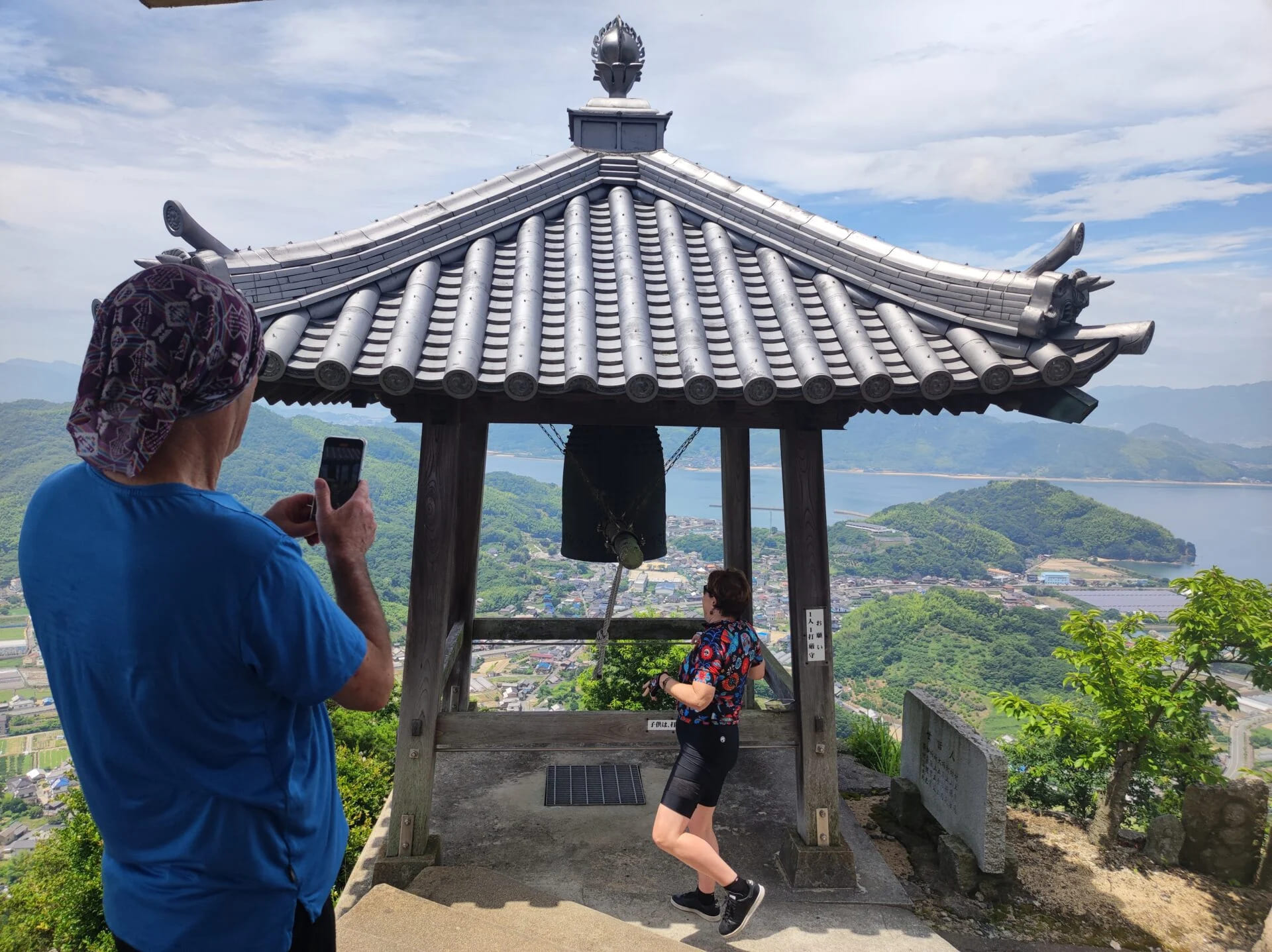
I’ve guided all kinds of riders on Shikoku cycling tours. Travis and his wife came on their honeymoon, their first trip together as a married couple. We got to show them the island as their introduction to travelling as a pair. That felt like a privilege I still think about.
Carl and Rachel came from Colorado. They know mountains. When they told us the scenery was epic, we knew we were doing something right.
Then there was Craig and his father, first time travelling together as adults. The father hadn’t left the United States in 35 years. He trusted us with that trip. He sent a message months later saying he still thinks about the tour hourly and that it still makes him smile every time he does.
These are not unusual stories on Shikoku cycling tours. Something about the combination of physical effort, quiet roads, and a place that hasn’t been shaped around tourism tends to strip things back. People talk more honestly on long climbs than they do at dinner tables.
By the end of the week, strangers from day one have usually made plans to come back together. The island does that. We just show people where to find it.
The Japan That’s Still There, Waiting
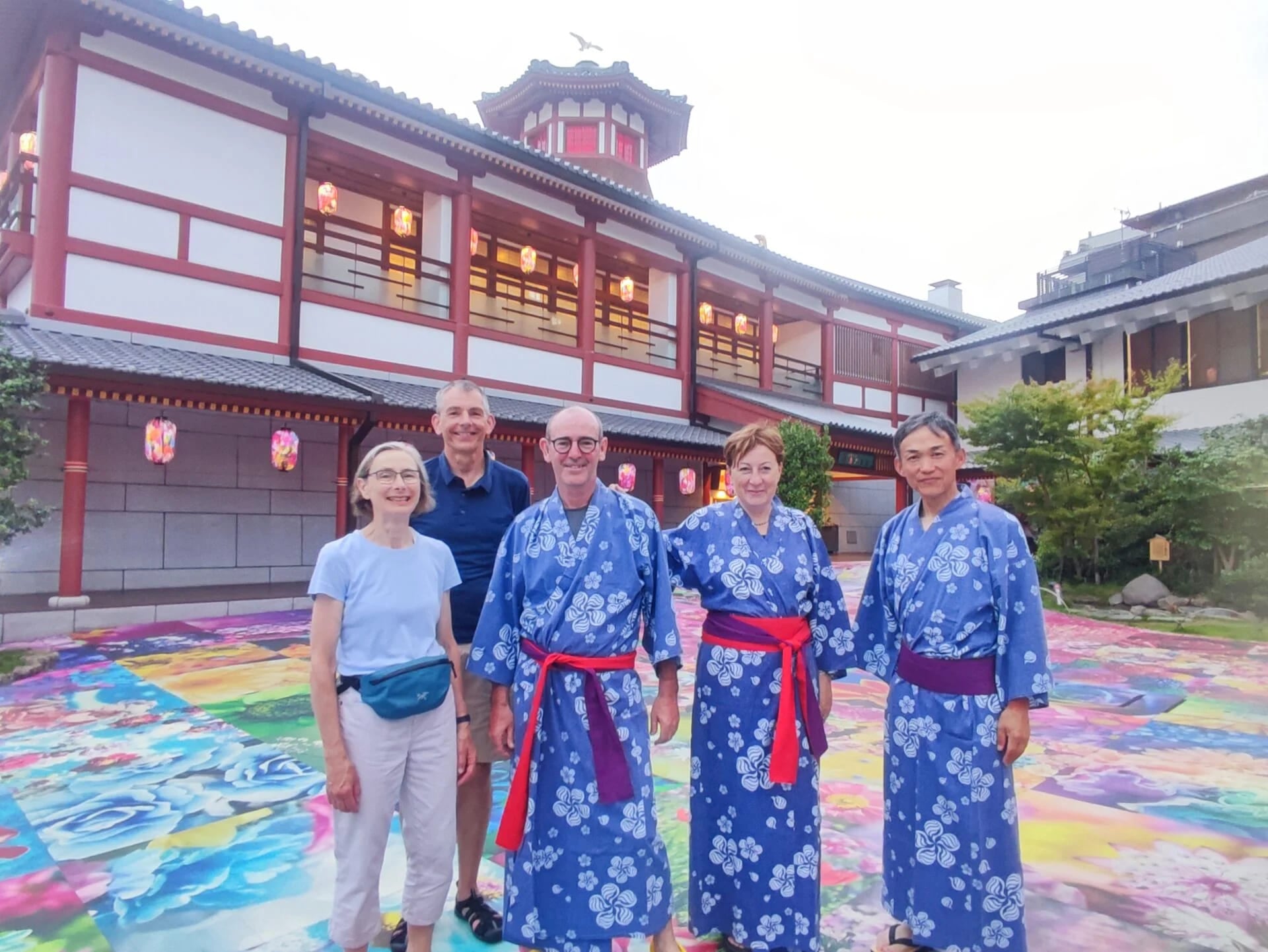
Every time I ride this island, I fall a little further into it. I didn’t expect that after years on the same route. But Shikoku cycling has a way of offering something different each time: different season, different harvest, different faces around the fire, different conversation on the long climbs.
There’s a Greek saying I come back to often: buildings don’t make a town, people make a town.
Shikoku’s roads are exceptional, the landscapes are extraordinary, and the food is unlike anywhere else in Japan. But what people write about months later is the minshuku owner who has never wanted to be anywhere else, the cook making her one dish for the 37th year, the farmer with the watermelons waiting at the aid stop.
Japan has no shortage of cycling holidays that will show you its famous face. Shikoku cycling shows you what’s behind it: the version that hasn’t adapted to tourism, that runs on its own logic, that lets you in slowly and then, somewhere around the third day on a quiet road above a jade river, stops feeling like travel and starts feeling like somewhere you actually belong.
Most people leave Japan having seen the famous version of it. You don’t have to.