The following items are required for this Dolomites Alta Via 1 guided tour unless otherwise noted. When packing, think layered clothing systems that work together and can be easily added or removed. Luggage transfers have a limit of 33lbs/15kg—please stick to this as extra items are not easily stored by the team.
Avoid cotton or cycling-specific clothing. Synthetic fabrics dry quickly and perform well in active conditions. Merino wool is also an excellent option—it dries fast, is comfortable to wear, and naturally resists odors even after extended use.
Clothing:
-
- Hiking boots/shoes — waterproof, sturdy molded sole, deep tread and ideally well broken in
- Hiking socks — one pair for every day or two days of the trip (hiking/sport specific padded socks, no cotton please)
- Sun hat — wide brimmed hat or baseball cap/bandana combo
- Warm hat & gloves — lightweight beanie and light-to-mid weight fleece or wool gloves
- Hiking shirts — non-cotton, breathable short sleeve and/or long sleeve shirts
- Warm top — mid-weight sweater or pullover of wicking material such as merino wool, fleece or polypropylene
- Insulating jacket — down-fill or synthetic-fill insulated “puffy” jacket or warm, heavy weight fleece jacket
- Hiking pants & shorts — nylon pants and shorts, zip-offs or leggings
- Base layer/long underwear — 1 pair of wicking tops and bottoms that are lightweight to midweight, synthetic wicking materials such as polyester, polypropylene, merino wool, etc.
- Rain gear — waterproof jacket and pants or high-quality poncho, breathable fabric such as Gore-Tex® or coated nylon (for the pants look for side zippers that will easily allow pulling them over footwear)
- Casual clothing & footwear – comfortable clothes and shoes to wear in the evening after activities.
Gear:
-
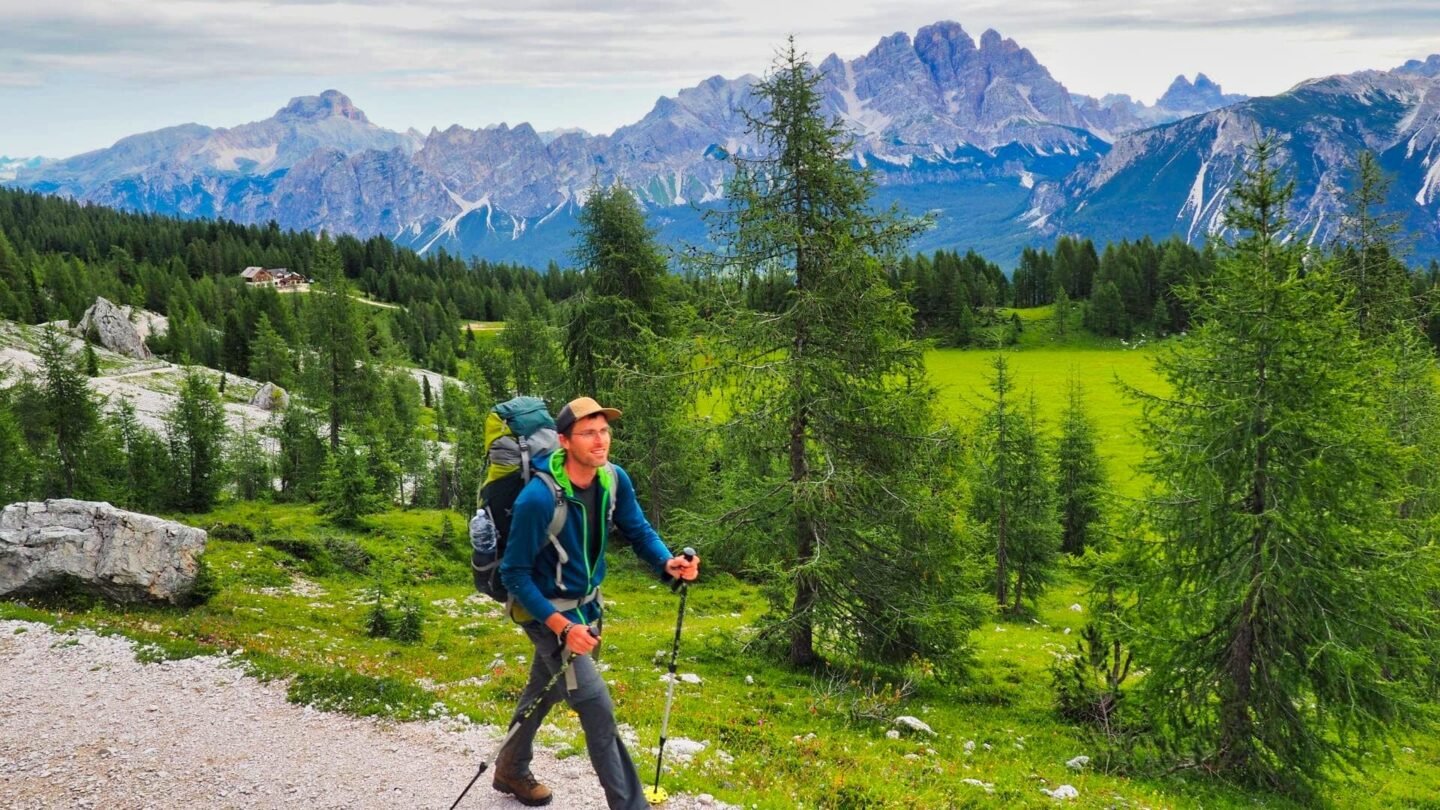
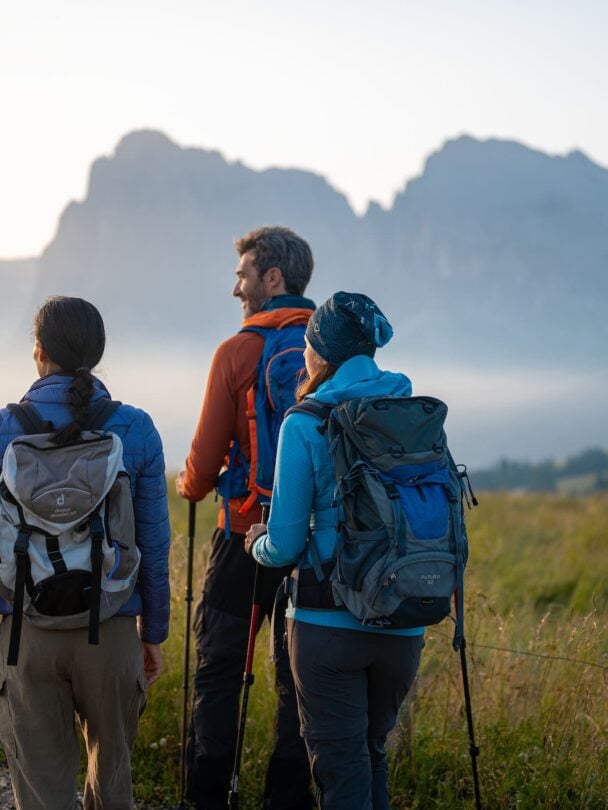
- Backpack — a 30–45 liter sized comfortable pack with a waterproof cover for use day-to-day while hiking
- Personal luggage — small duffel bag, rolling suitcase or backpack
- Hydration system — 2+ liters capacity, either water bottles or bladder/hose system and an additional water bottle
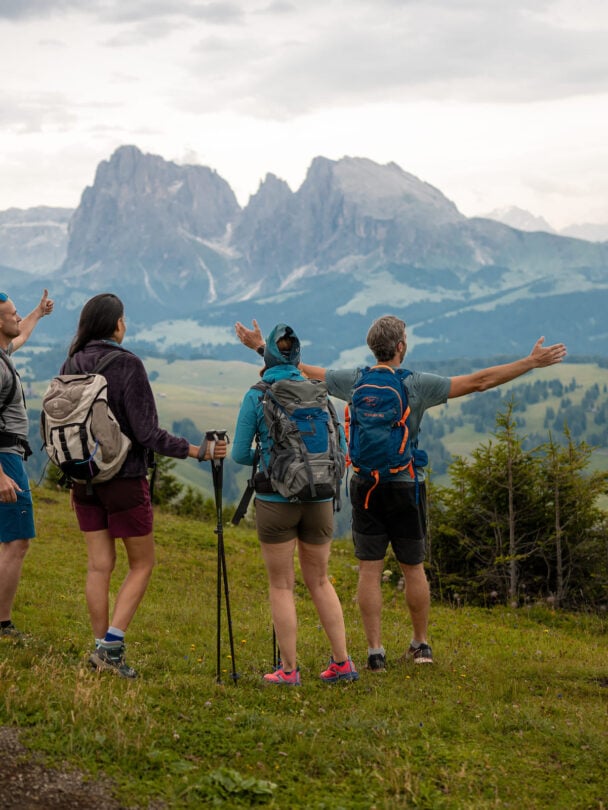
- Trekking poles — telescopic/adjustable poles to help reduce the impact on joints and support hikers in steep and/or rocky terrain (strongly recommended)
- Headlamp — preferably with an L.E.D. bulb that works with AA or AAA batteries
- Picnic/lunch kit — knife, plate or bowl, box with closeable lid, utensils, etc.
- Phone, charger, power bank
- Waterproof travel case or pouch — used to keep important documents (i.e. passport, health/travel insurance, etc.) & phone safe from weather/water
- Sunglasses, sunscreen, & lip balm
- First aid kit
- Personal toilet paper kit — toilet paper, wet wipes, sanitizer & sealable plastic bag(s) for carrying out used paper/wipes
- Toiletries
- Contact lenses & glasses
- Prescription medication — with emergency back-up supply
- Cash in local currency
First aid kit suggestions:
Carrying a basic personal first aid kit is strongly advised, as unforeseen situations may arise during travel. Access to medications and first aid supplies can be limited in certain destinations, making it essential to bring necessary prescription and over-the-counter items. Travel plans, vaccinations, and medication use should be reviewed with a healthcare provider in advance to ensure a safe and smooth journey.
Here’s a basic list of what’s generally a good personal travel first aid kit:
-
- Medications — brands of choice; all medications should be prescribed or approved by a doctor prior to use
- Prescription drugs — any required prescriptions with backup doses (kept in carry-on luggage)
- Epinephrine — multiple doses recommended if severe allergies are present, with doctor prescription
- Pain relief — ibuprofen, aspirin, non-aspirin (e.g., Tylenol)
- Antihistamine — diphenhydramine (e.g., Benadryl)
- Non-drowsy allergy relief — loratadine (e.g., Claritin)
- Antacid/heartburn relief — bismuth (e.g., Pepto-Bismol), antacid tablets
- Anti-diarrheal — loperamide hydrochloride (e.g., Imodium)
- Cold/flu medicine
- Electrolyte replacement/drink mix
- Creams — antibiotic ointment, anti-itch (hydrocortisone), arnica
- Eye problems: dry/itchy — eye drops
- Feminine hygiene — tampons, pads
- Wound care — assorted bandages, antiseptic swabs
- Blister kit
- Sun protection — sunscreen, SPF lip balm
- Various items — athletic tape/“KT tape,” nail clippers, tweezers, small bottle of hand sanitizer, sewing kit (for clothing/button repairs), disposable surgical gloves (1–2 pairs)
Optional items:
-
- Face masks — 2–3 recommended
- Travel power adapter — electric power voltage in Italy is 230 V / 50 Hz and the plugs are F & L type
- Support braces — joint braces if currently needed or from past injuries (e.g., knee, ankle, elbow)
- Sleep mask & ear plugs
- Bug repellent
- Quick drying towel or bandana(s)
- Swimsuit
Got everything you need? Grab your gear through Active Junky and earn cash back on top outdoor brands — plus a $10 bonus on your first $25+ purchase. Shop now at Active Junky!

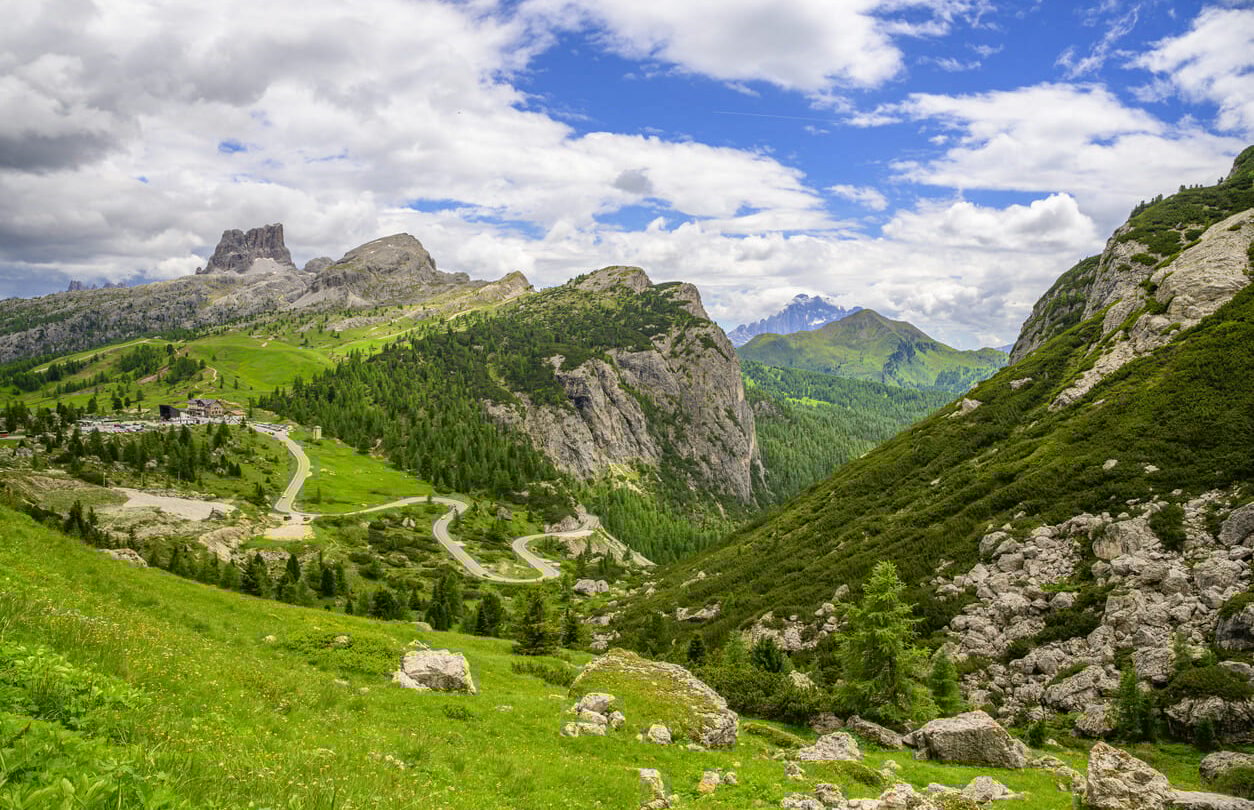
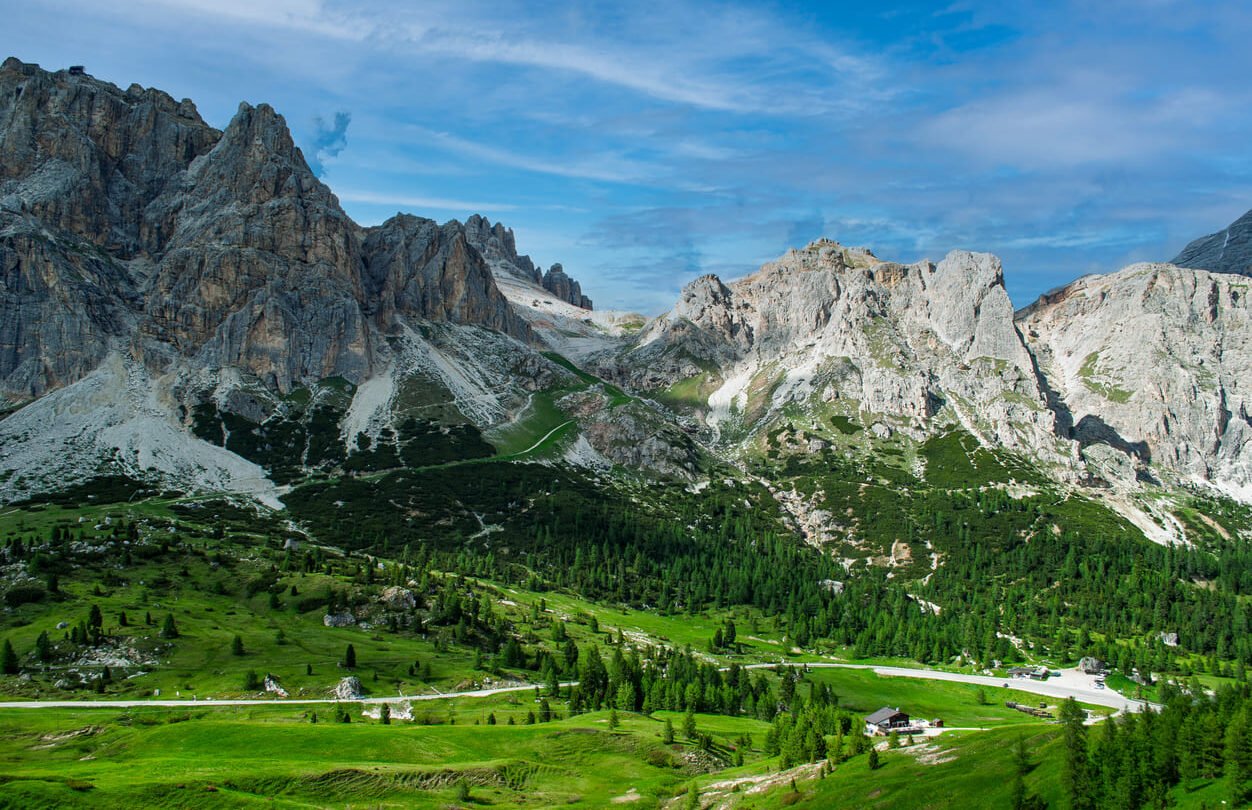
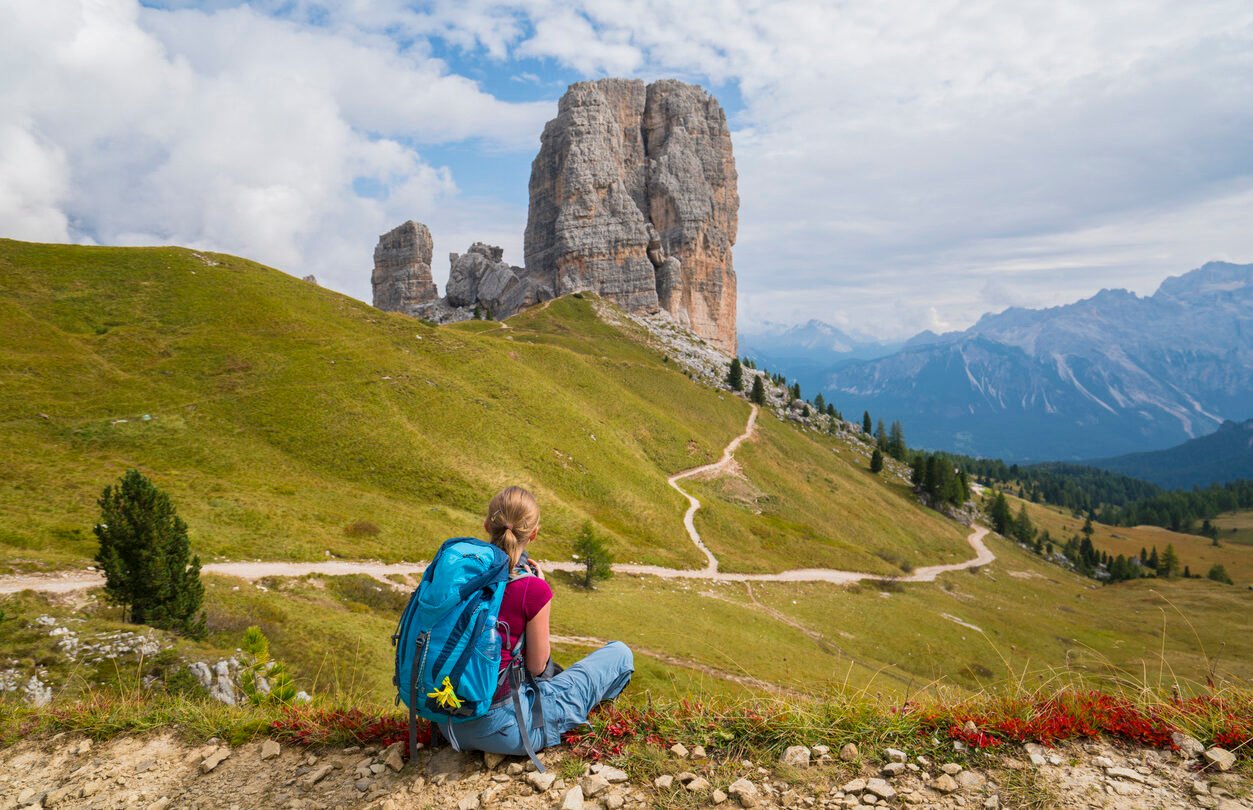
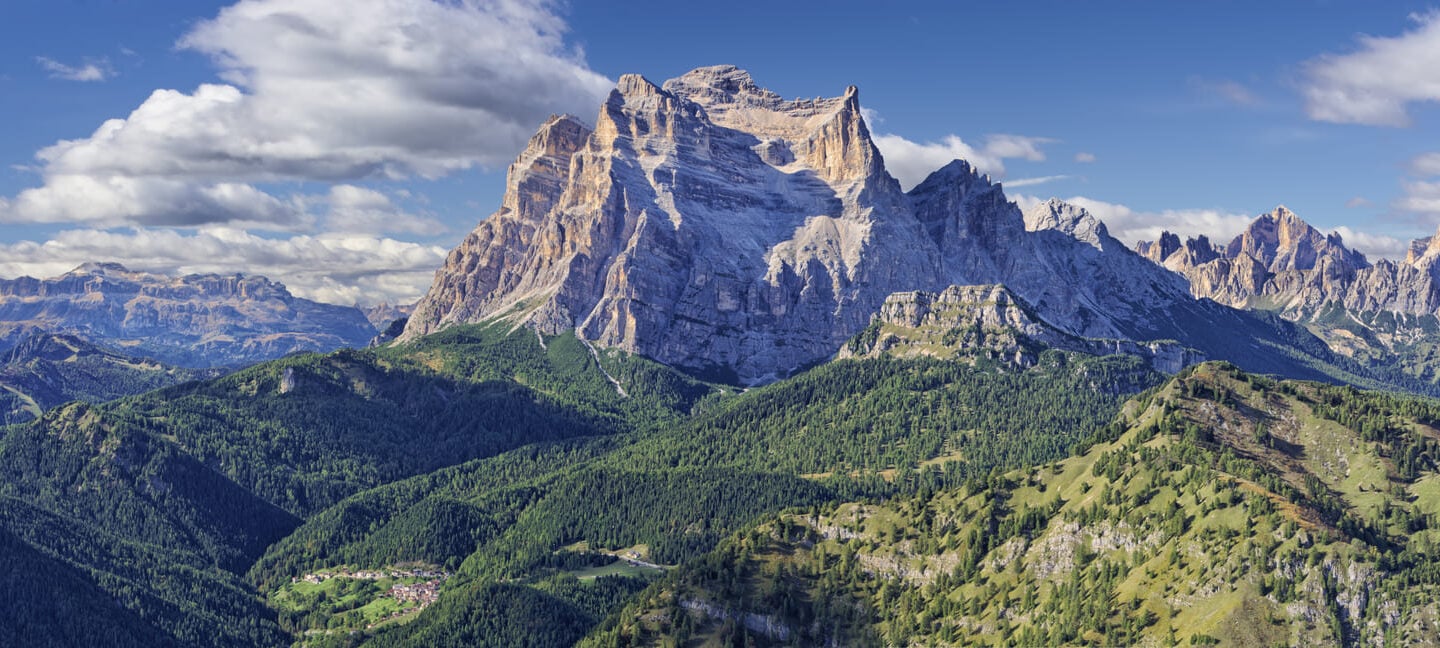
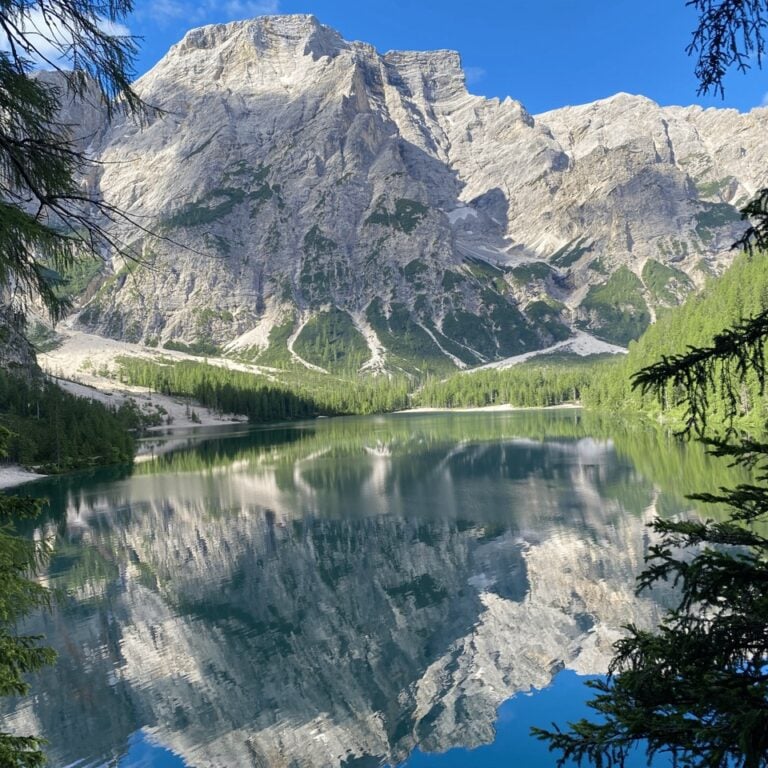
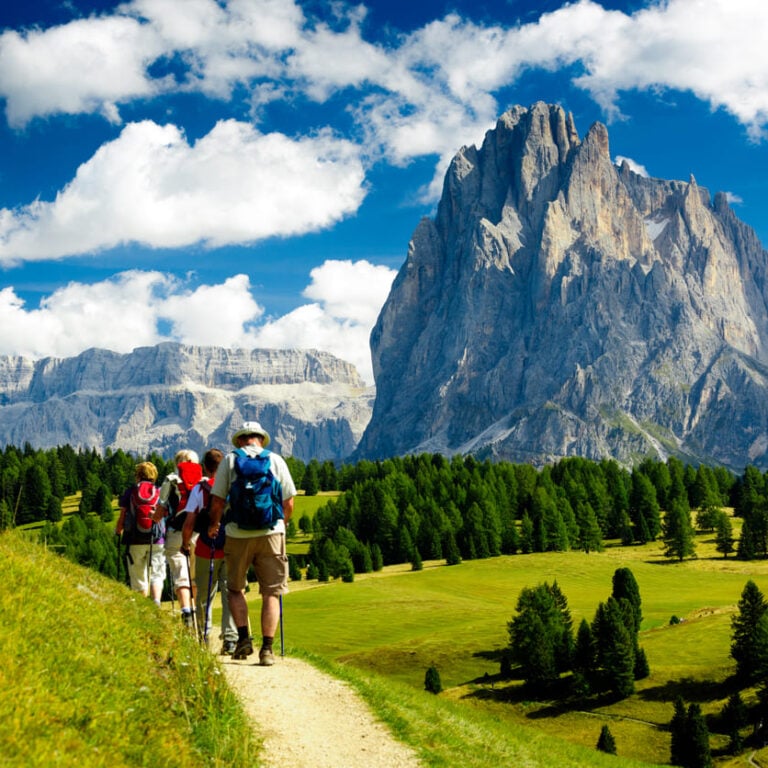
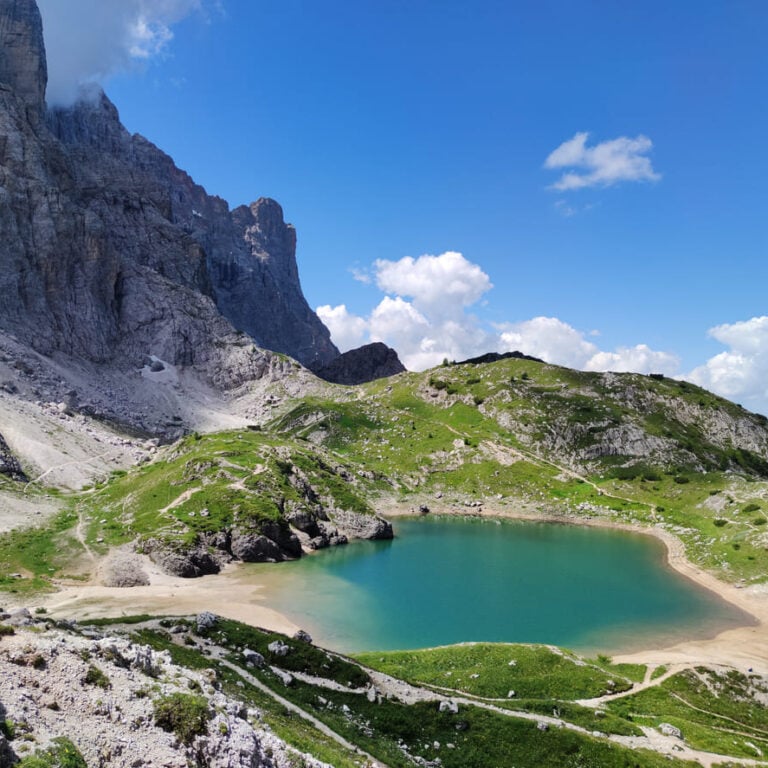
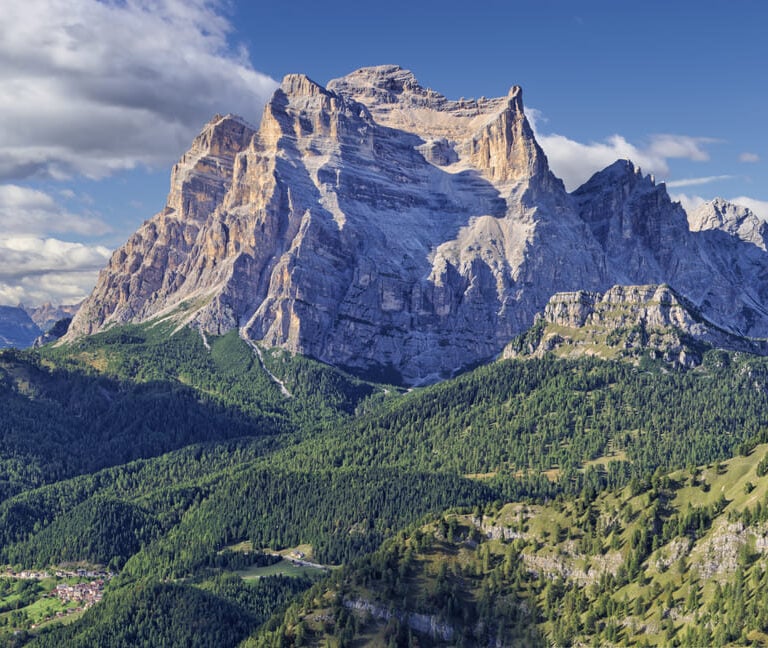
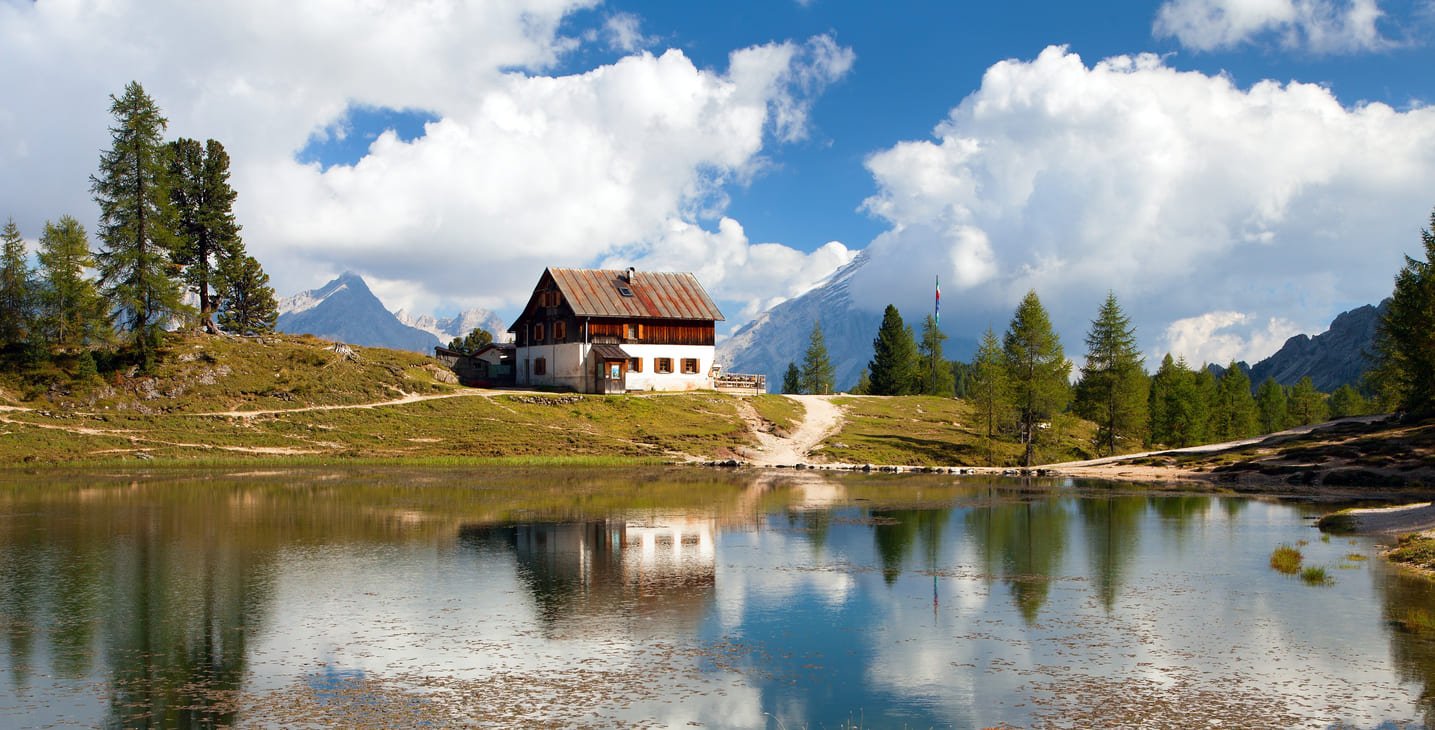

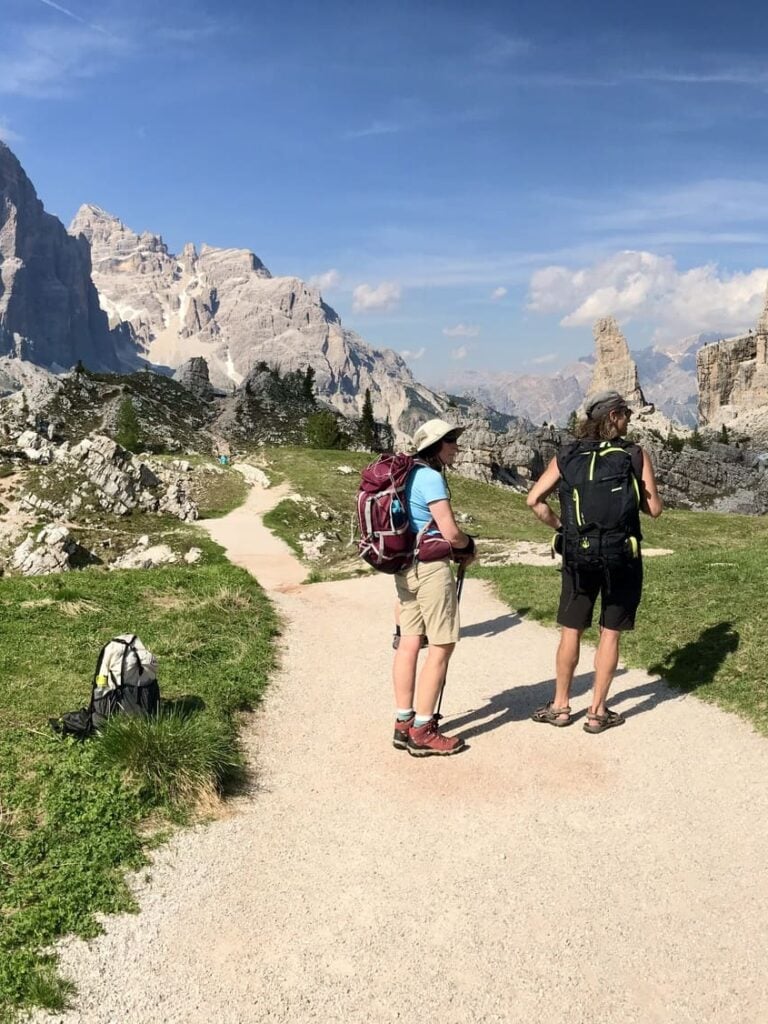
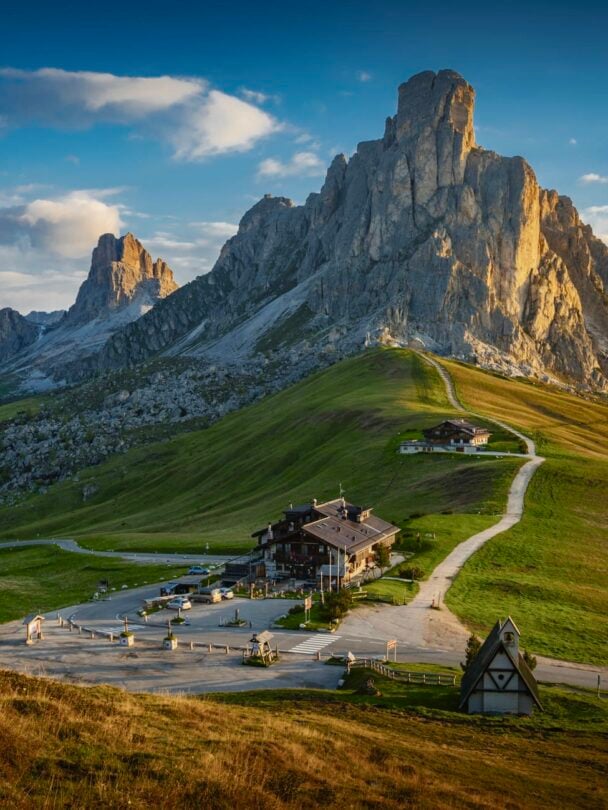
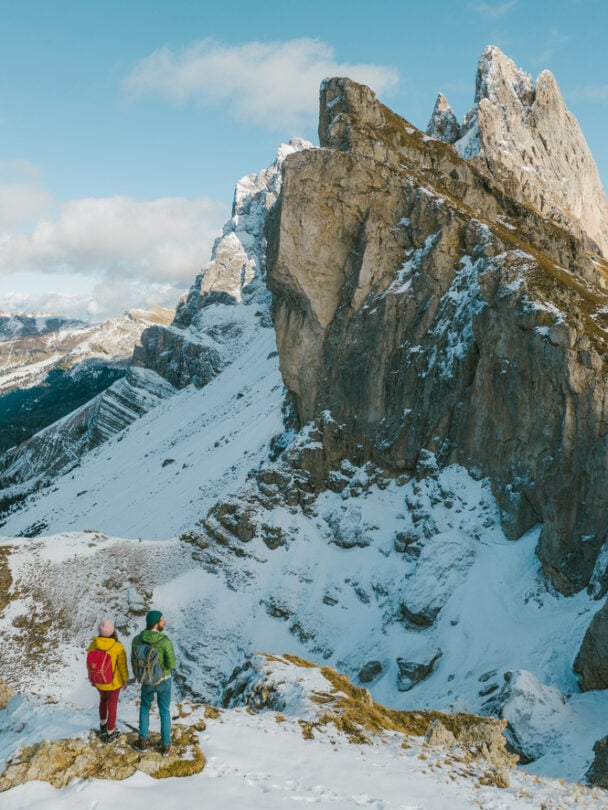
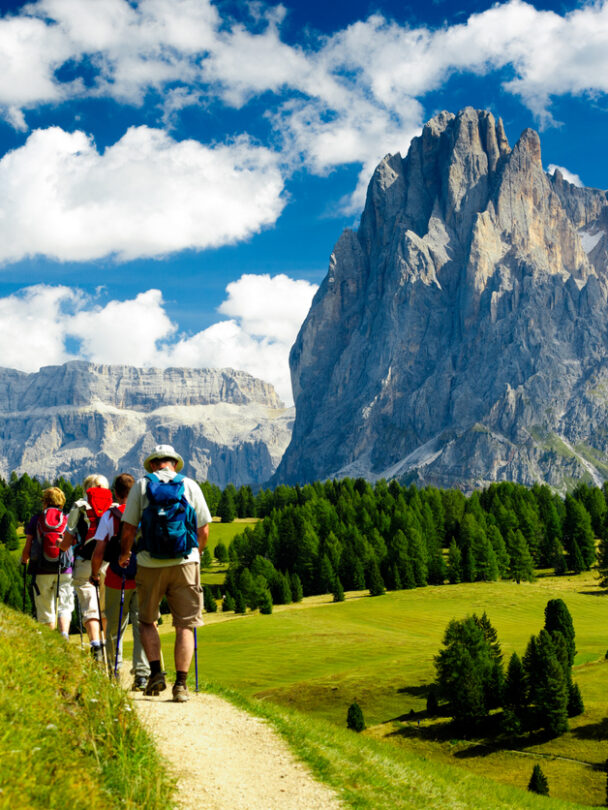
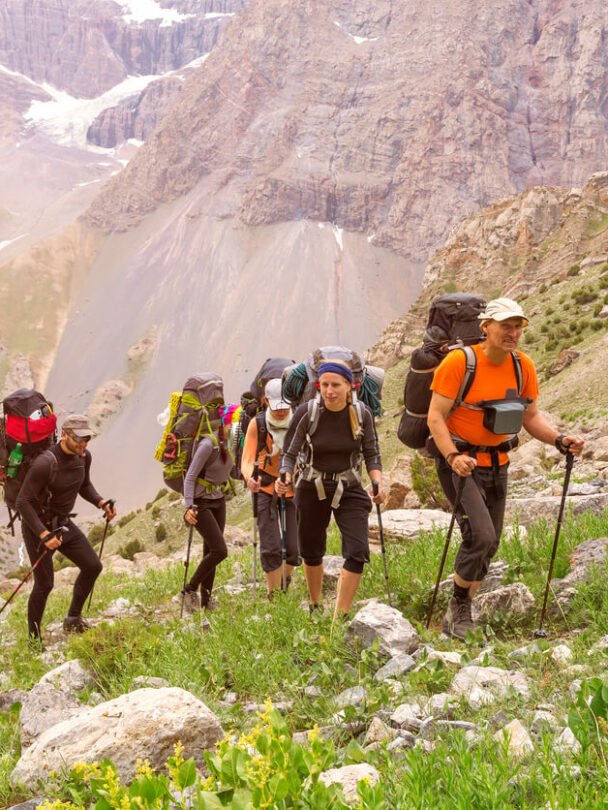

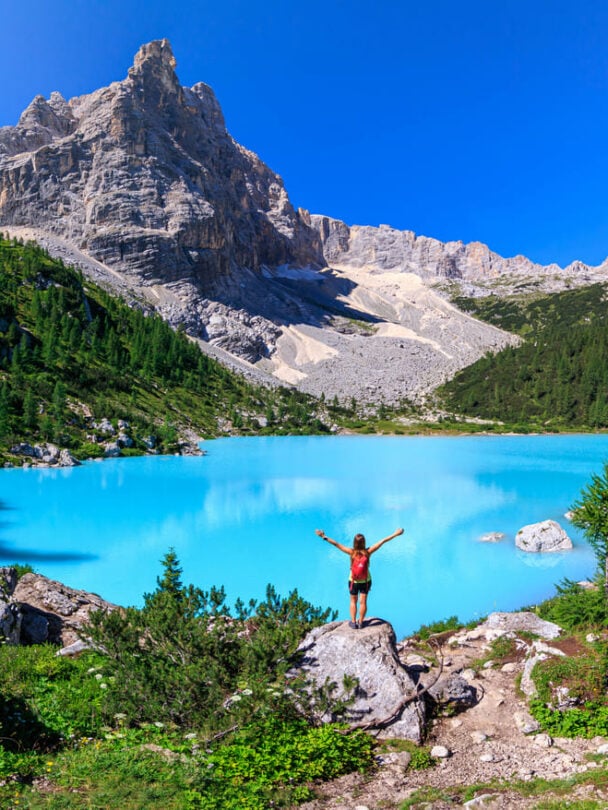
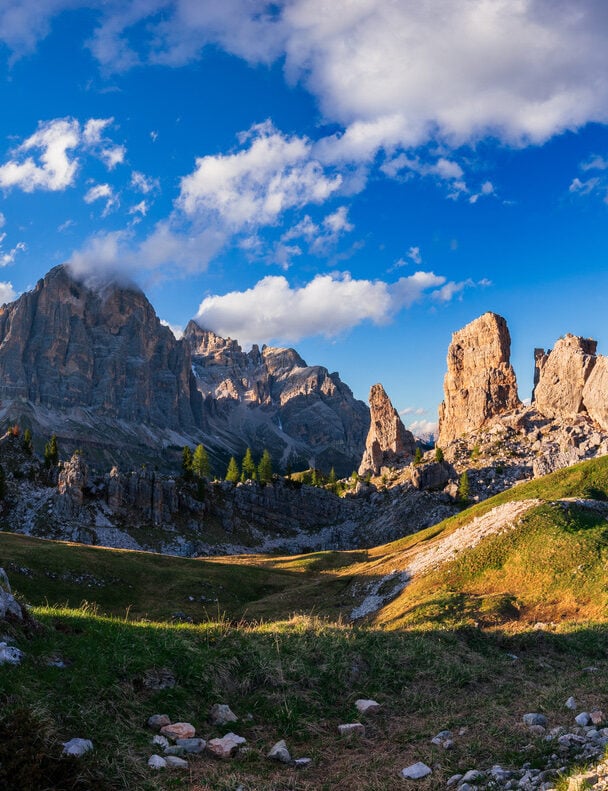
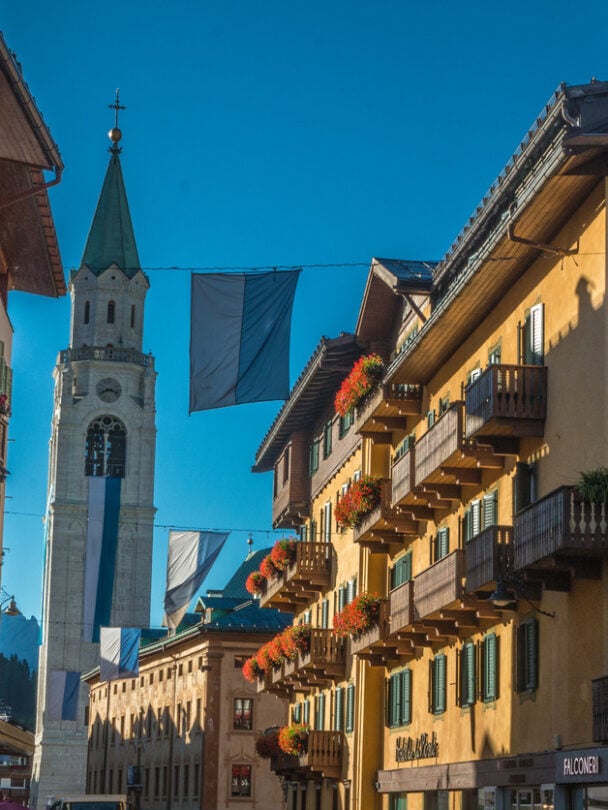
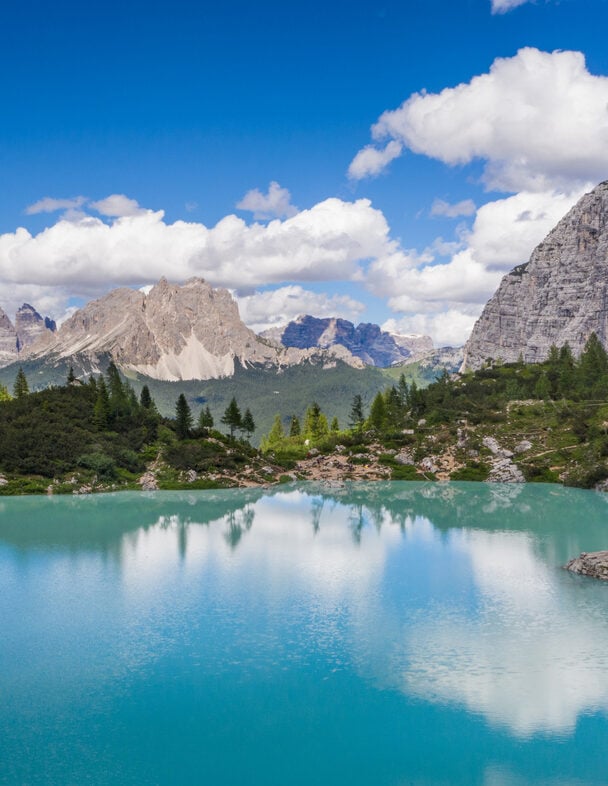
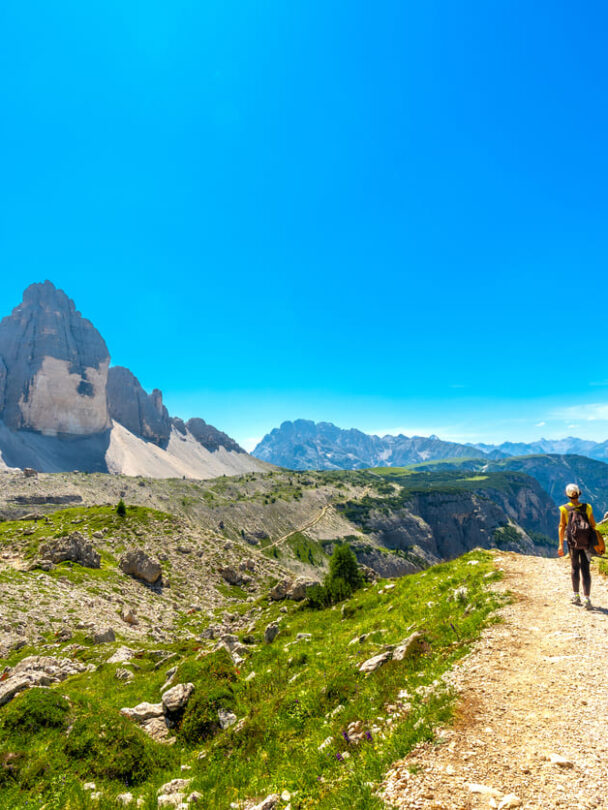
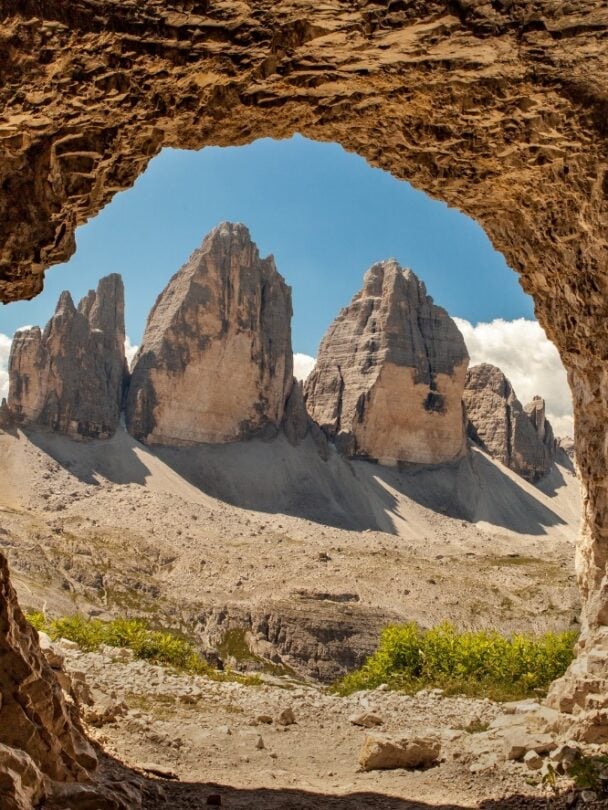
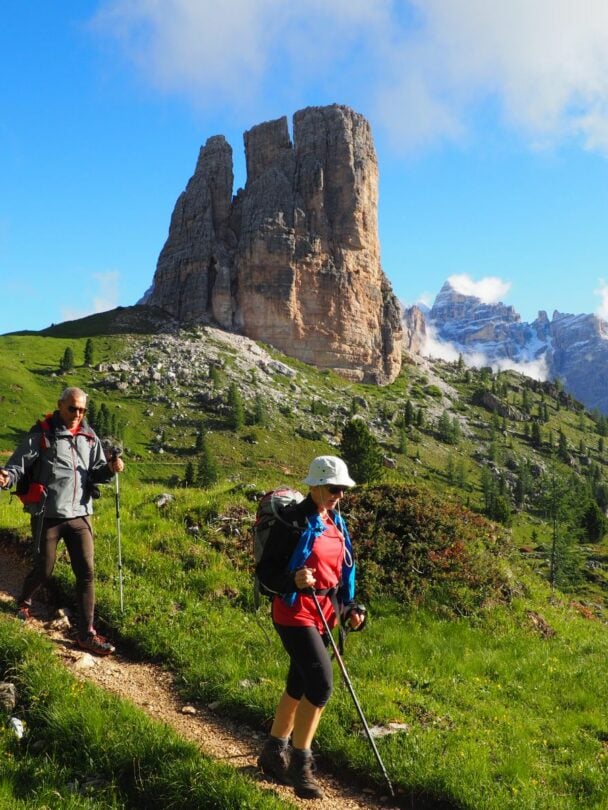
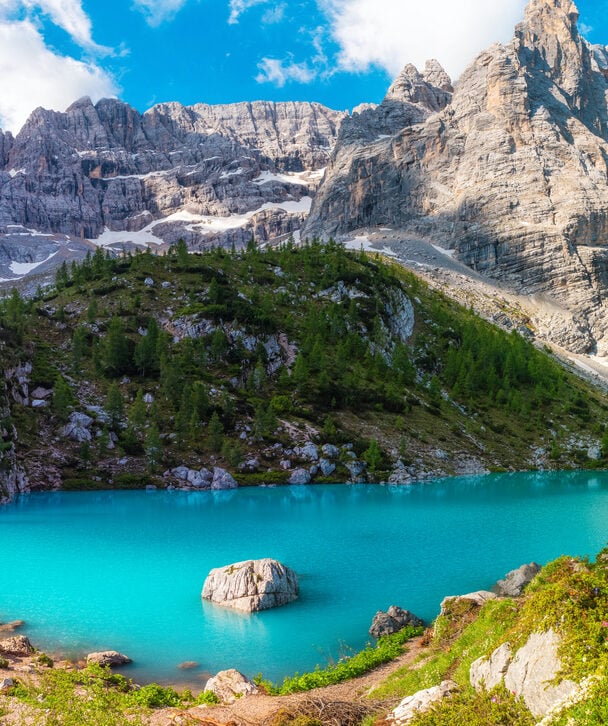
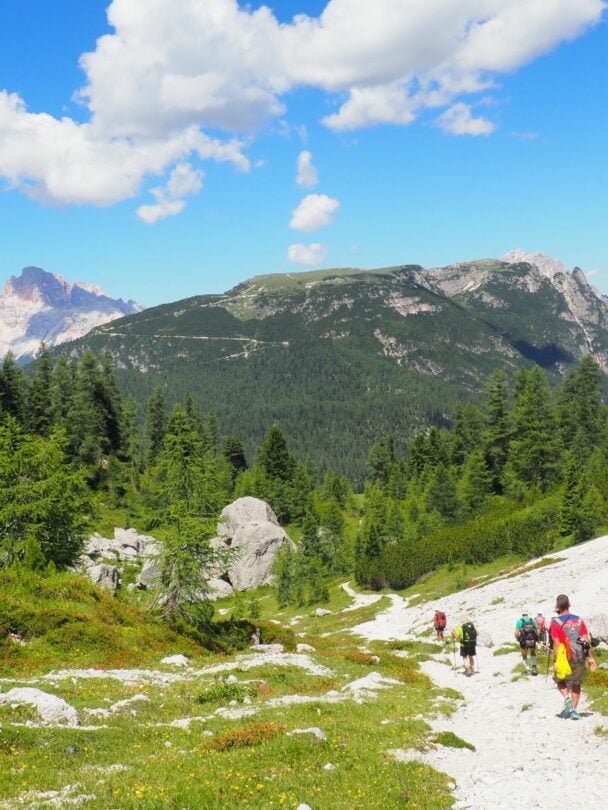
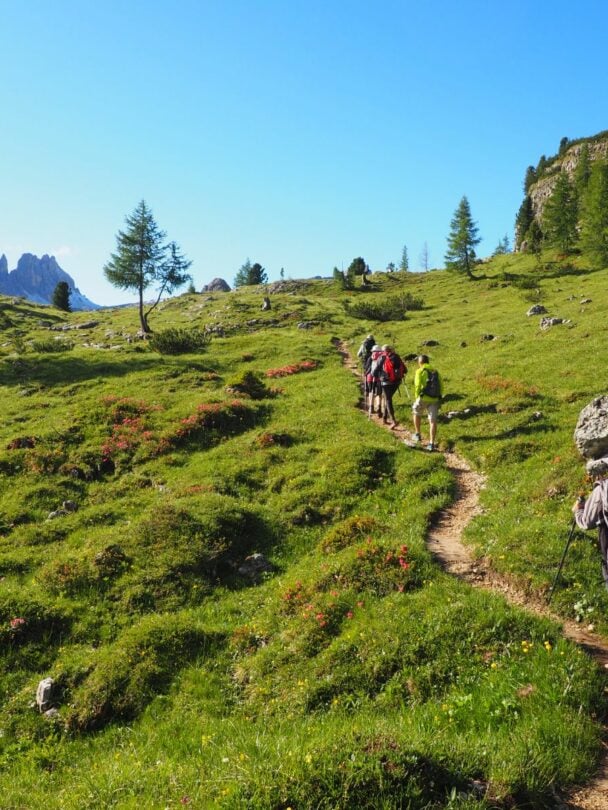
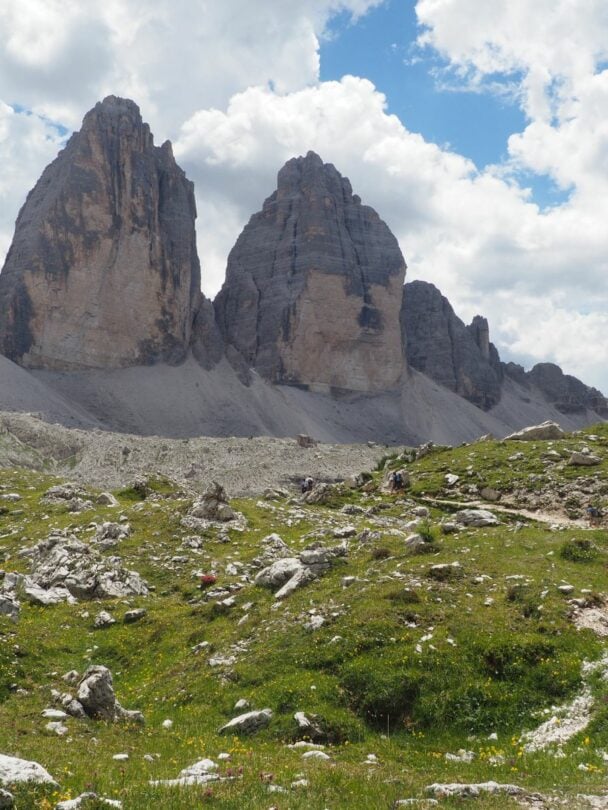

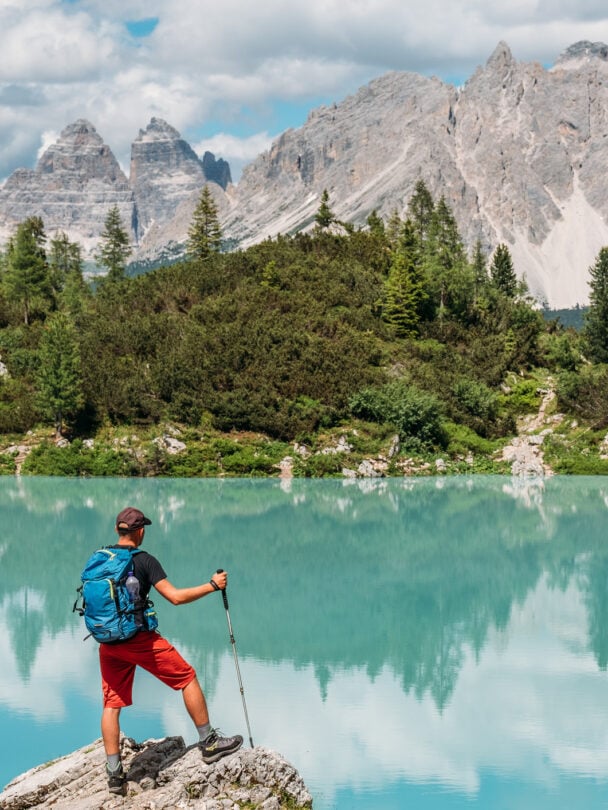
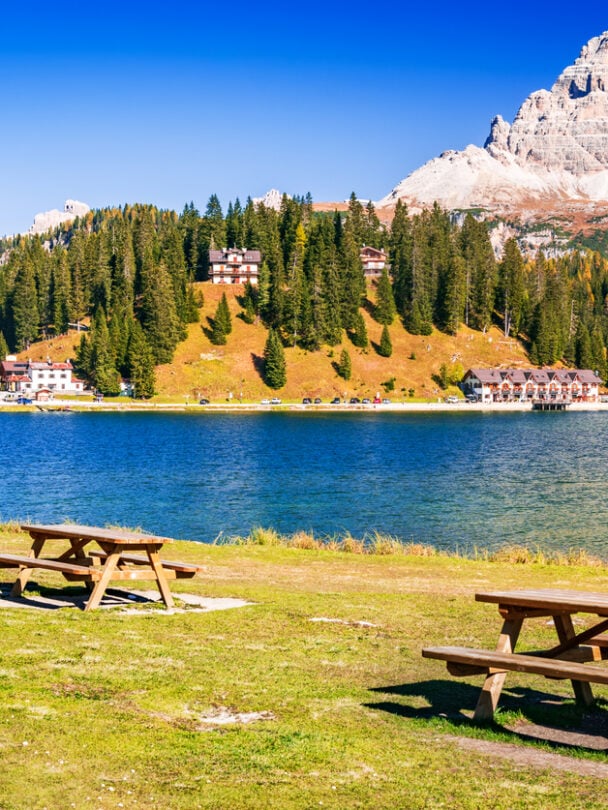

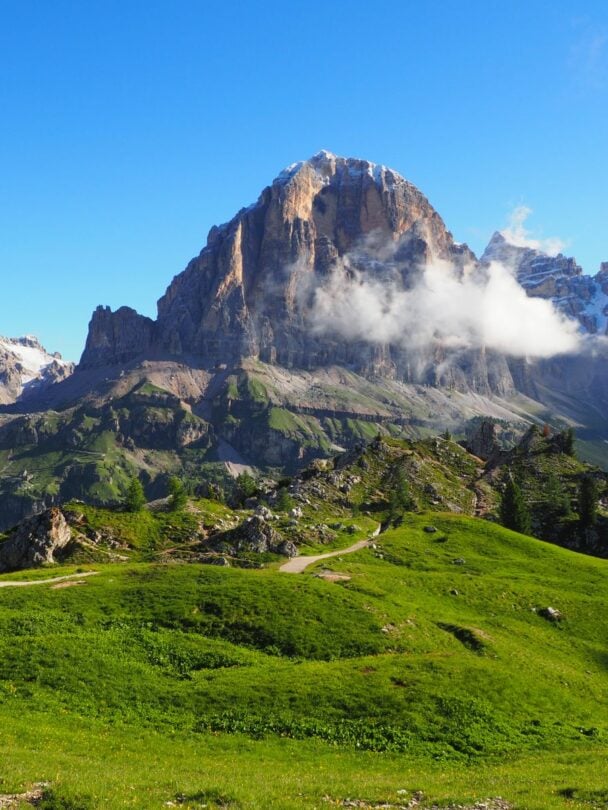
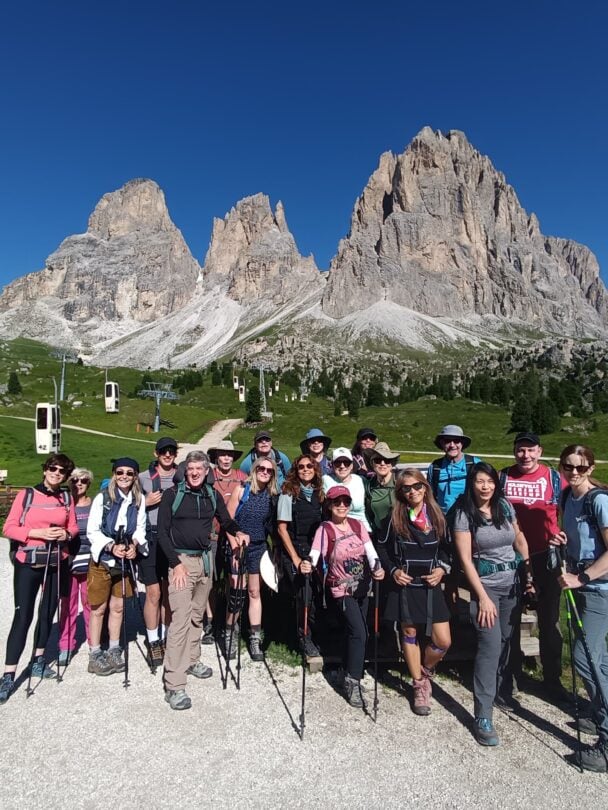
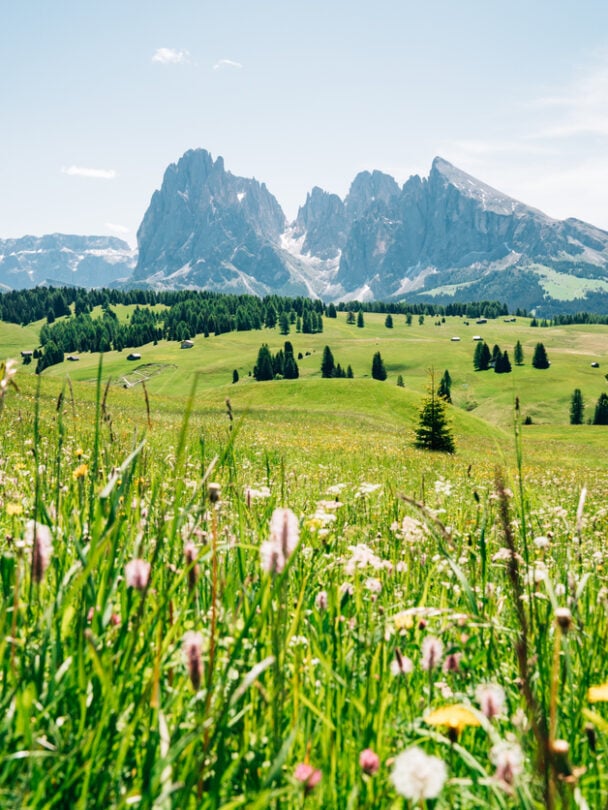
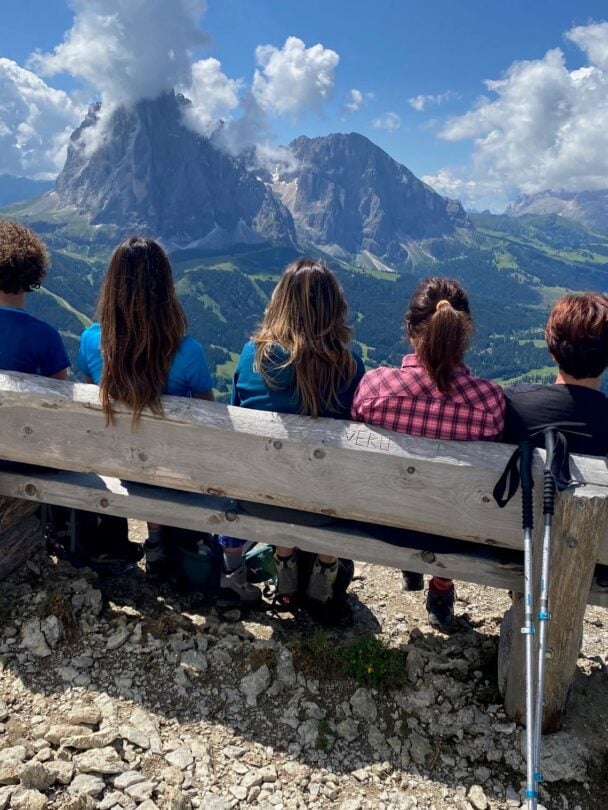
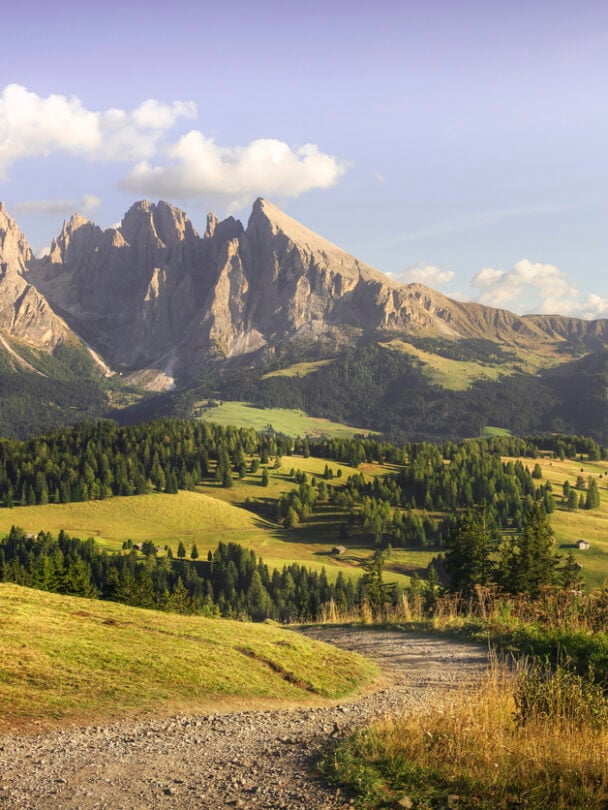
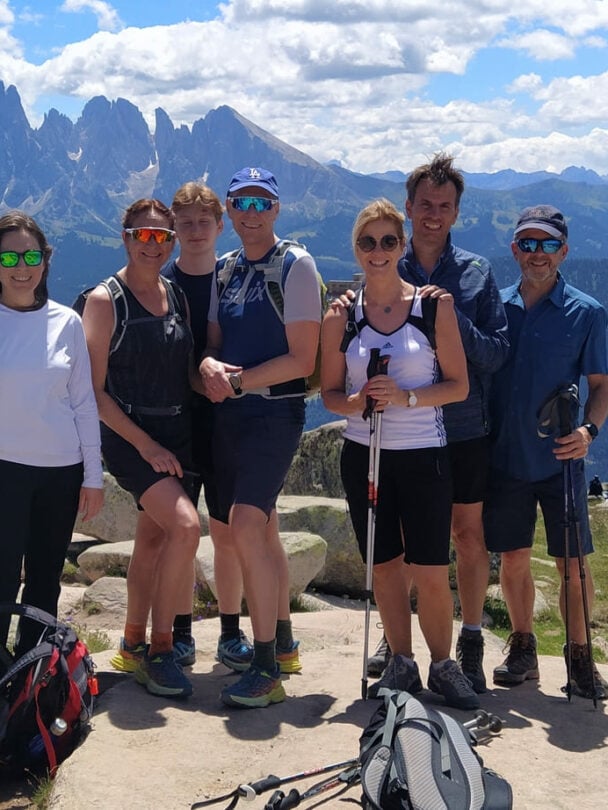
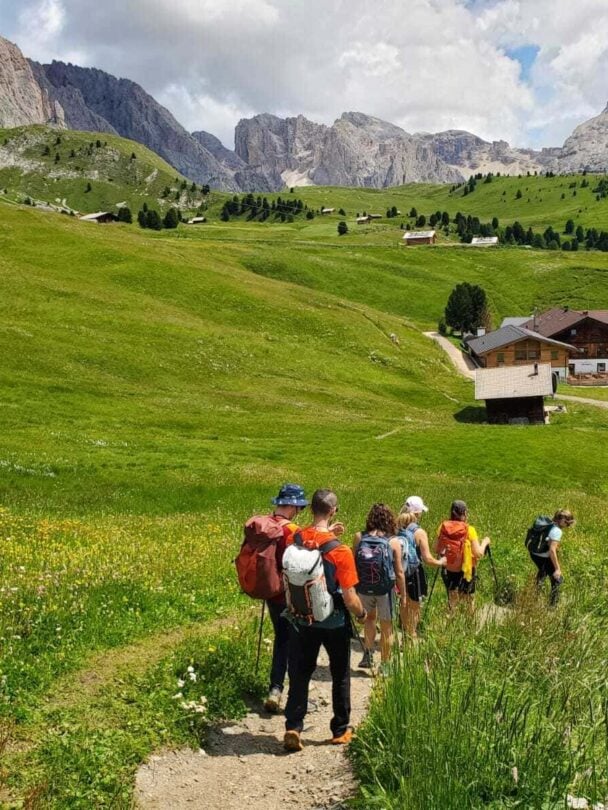
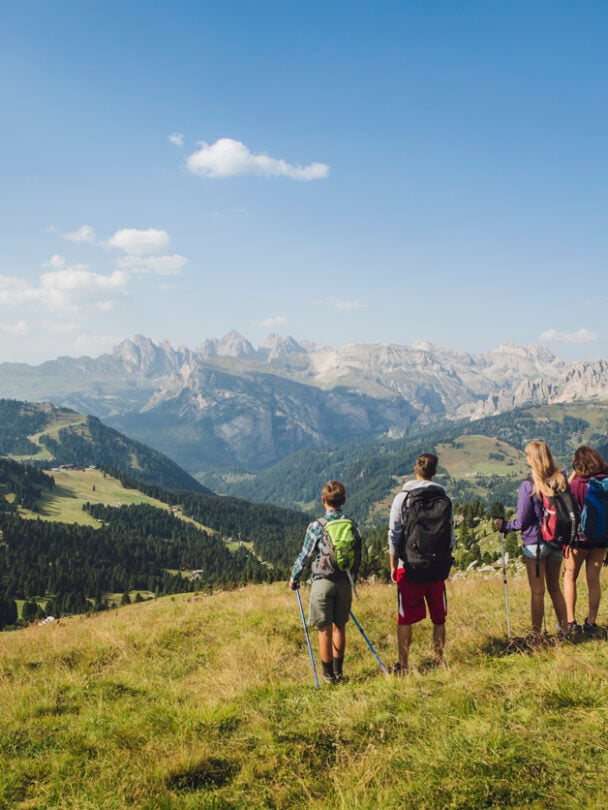
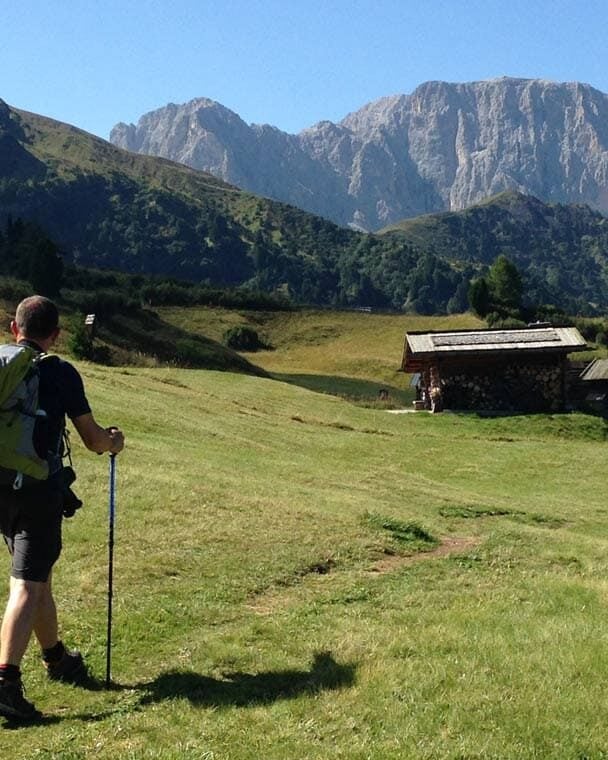
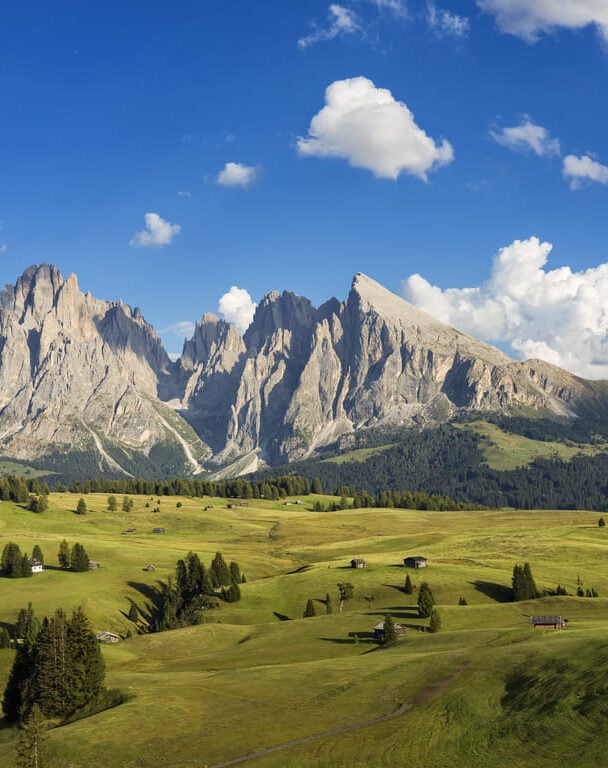
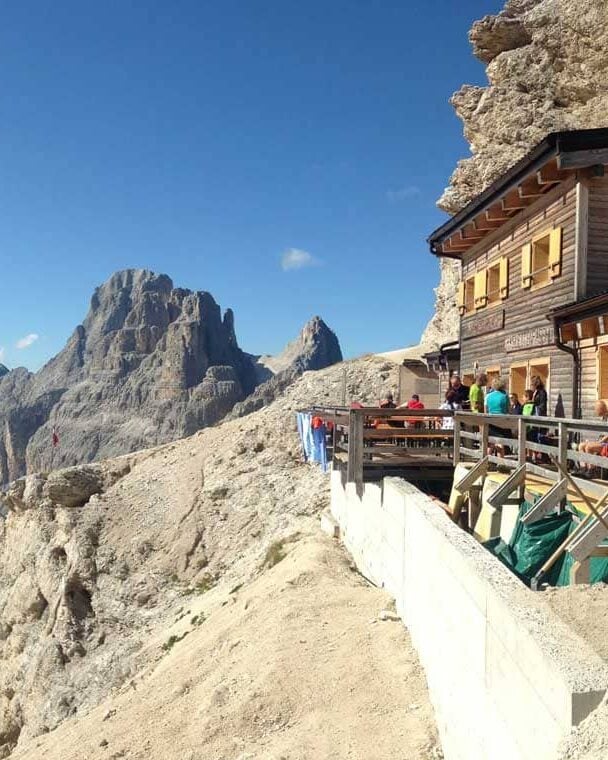
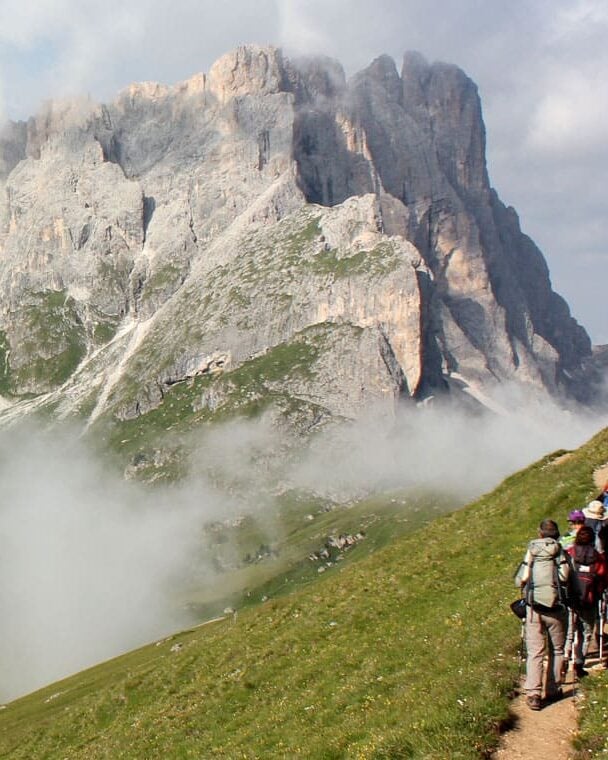
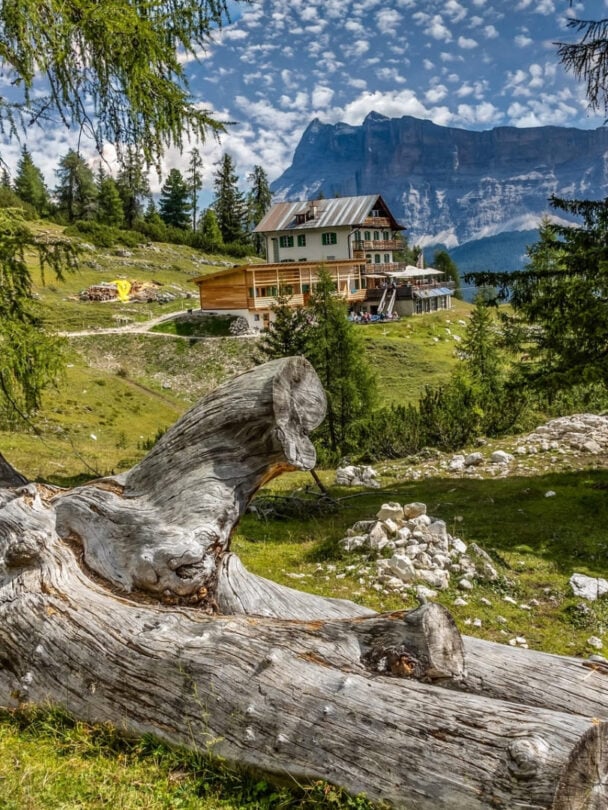
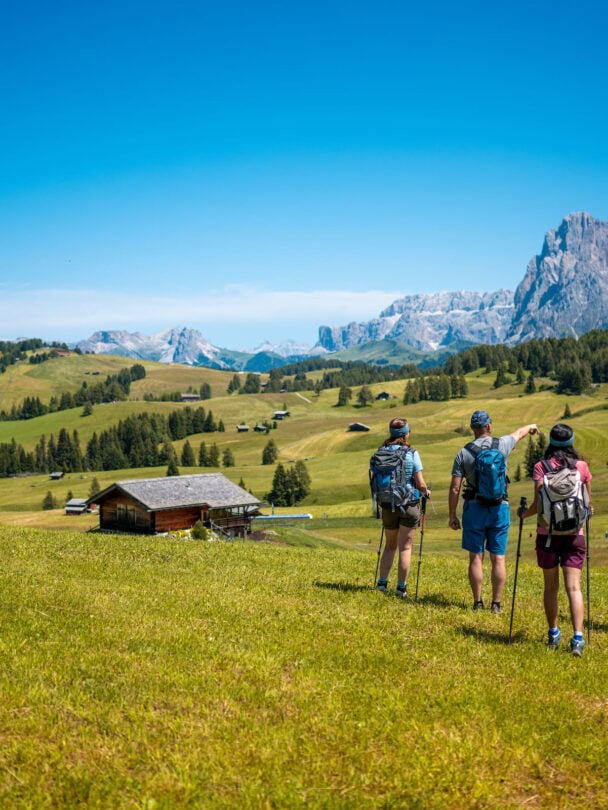
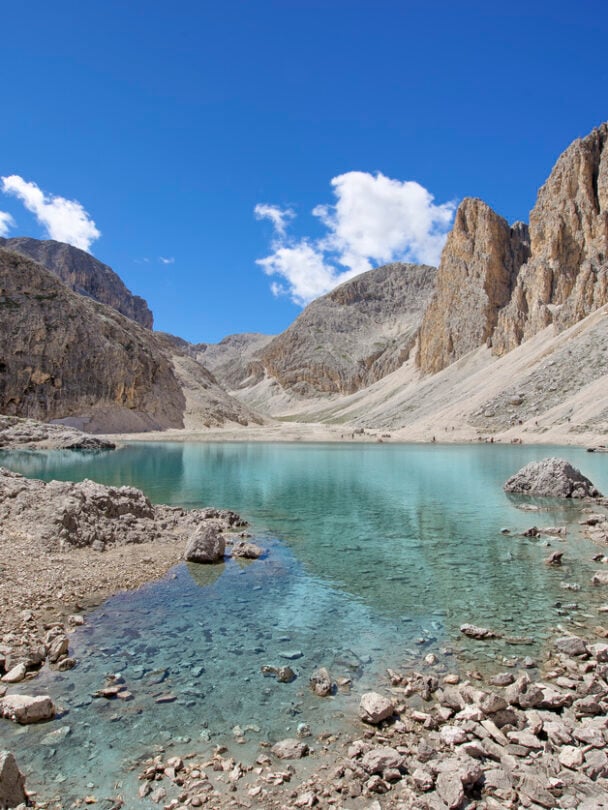
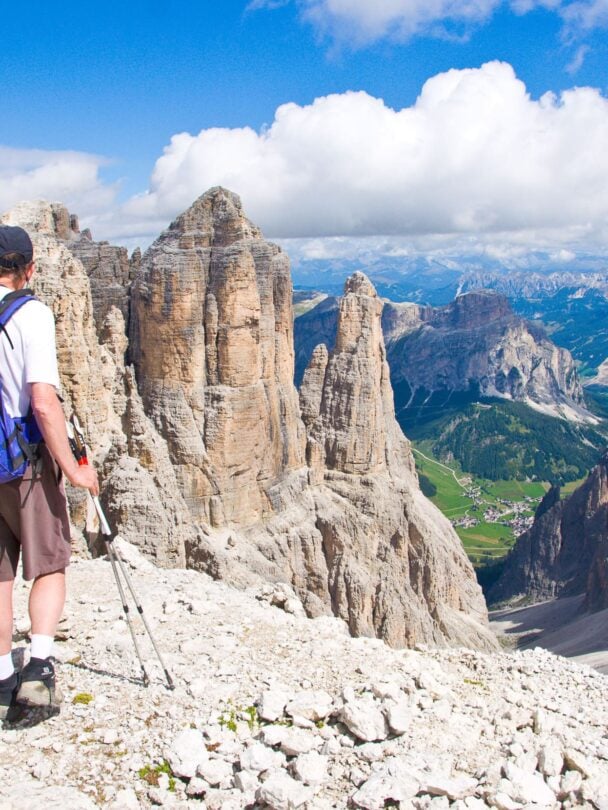
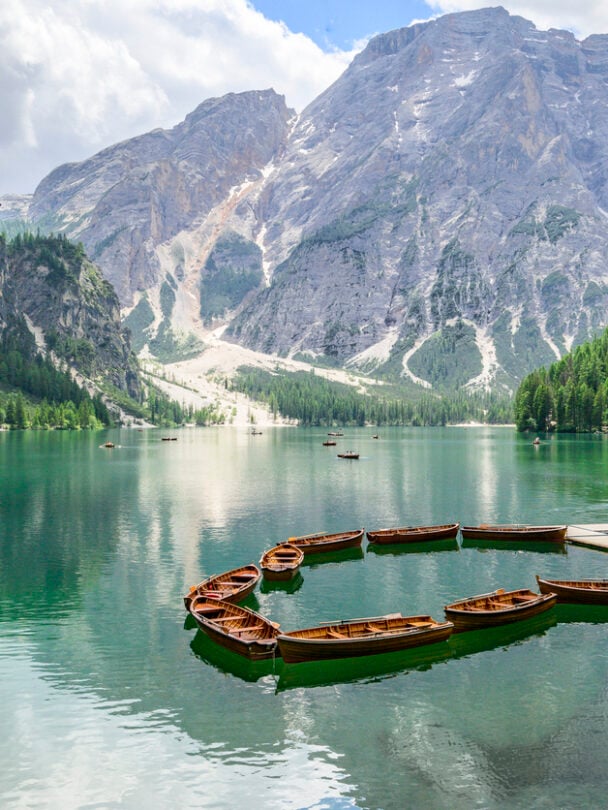

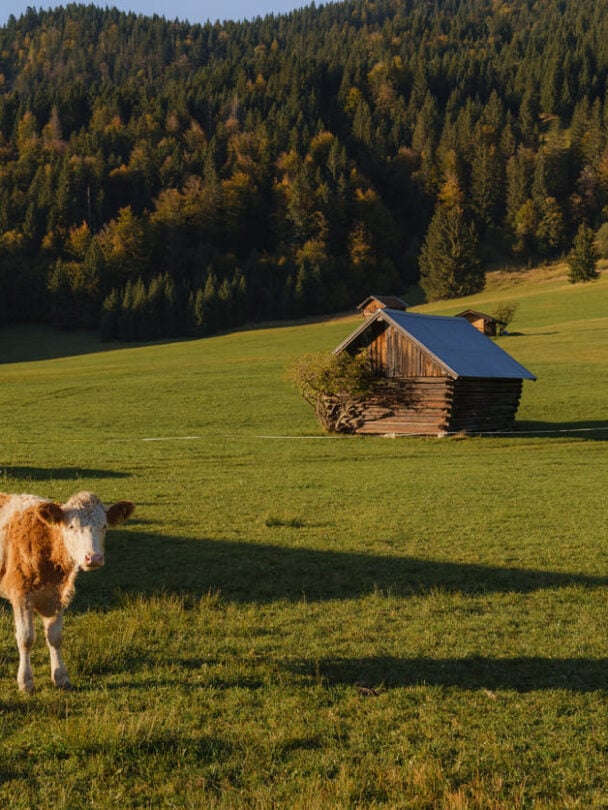

A very fine and varied route, with different landscapes and cultures in the countries and regions we crossed.