Here’s a list of the equipment and clothes you need to bring:
-
- Good, comfortable, waterproofed mountain hiking shoes with good tread
- Comfortable rucksack (30 to 40L)
- Kit bag or suitcase (for your main luggage)
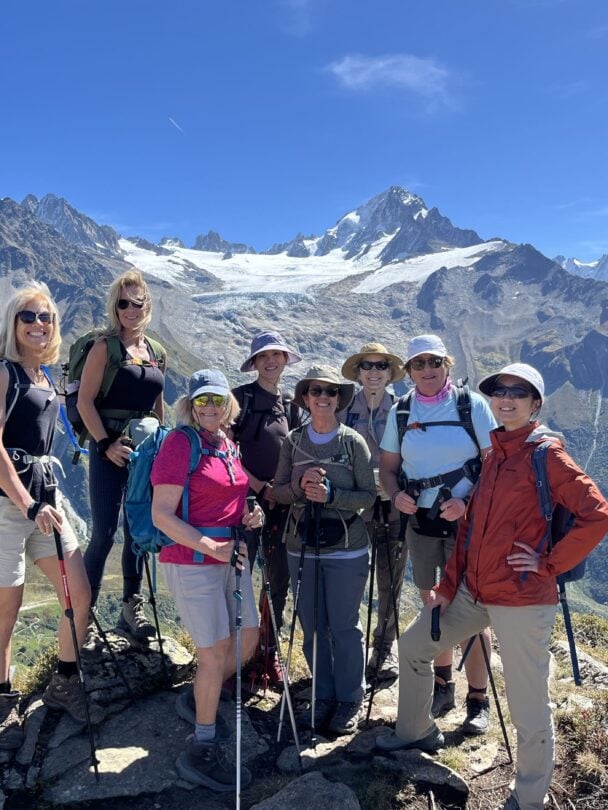
- Hiking poles
- Waterproof jacket and waterproof hiking pants
- Moisture-wicking T-shirts
- Warm sweater or a fleece
- Lightweight warm jacket and hat (in case of unexpected weather conditions)
- 2 Pairs of lightweight hiking pants and shorts
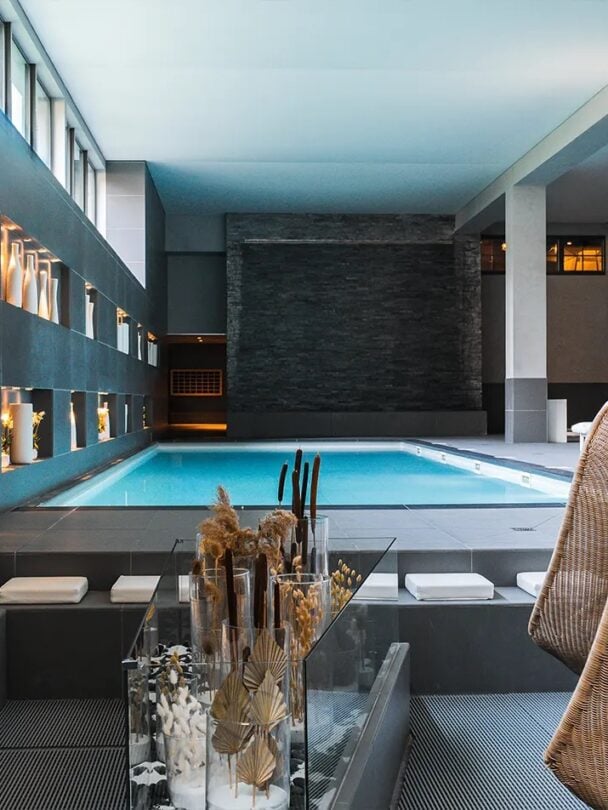
- Swimwear (some hotels feature pools)
- Cap and a sunhat
- 2-3 Pairs of gloves (liner gloves, waterproof gloves, and warm gloves)
- Hiking socks and underwear
- Pair of outdoor shoes
- Sleeping bag liner
- Sleeping bag
- 2L water bottle
- Swiss knife, compass, whistle, head torch
- Plastic bags / dry sacks to keep essentials dry
- Good sunglasses, sunscreen, and lip protection
- Your toiletry bag and a mini first-aid kit
- Other clothes and personal change
- Small towel (for the mountain hut)
- Travel bag or a small suitcase for the luggage transport
- Camera — optional (but recommended)
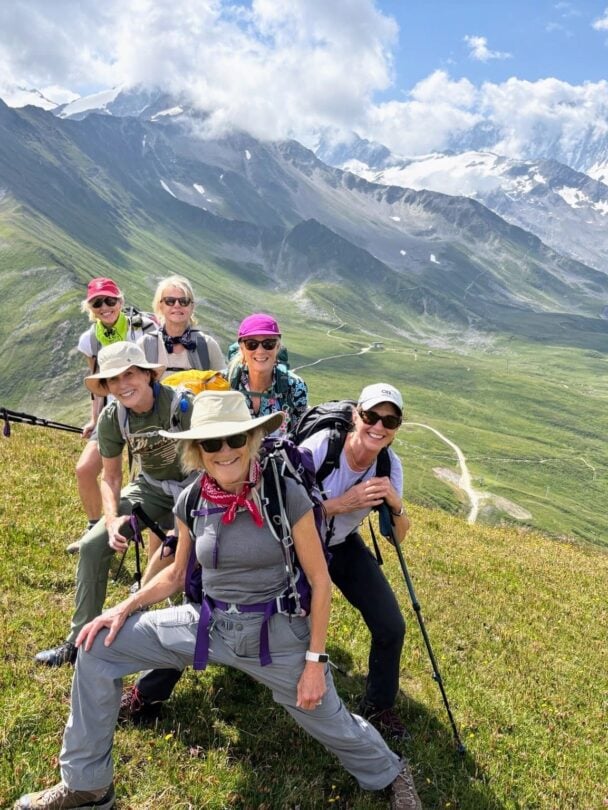
Typically, the weather along the route is warm and fairly stable, requiring minimal extra gear. However, it’s crucial to bring all the items from the list due to unseasonal conditions that can occasionally occur. At least once every summer hikers witness unseasonal snow and heavy rainfall, with temperatures plummeting from mid-30s°C (86°F) to below zero (0°C/32°F).
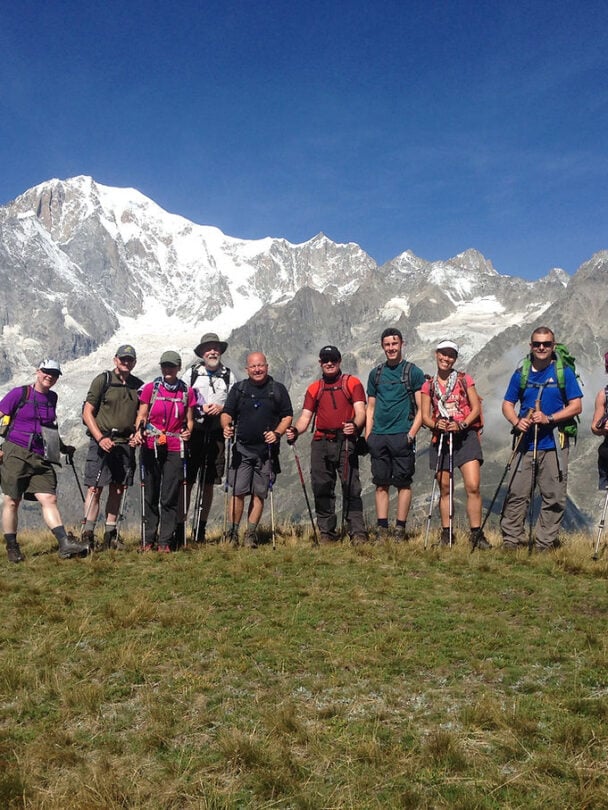
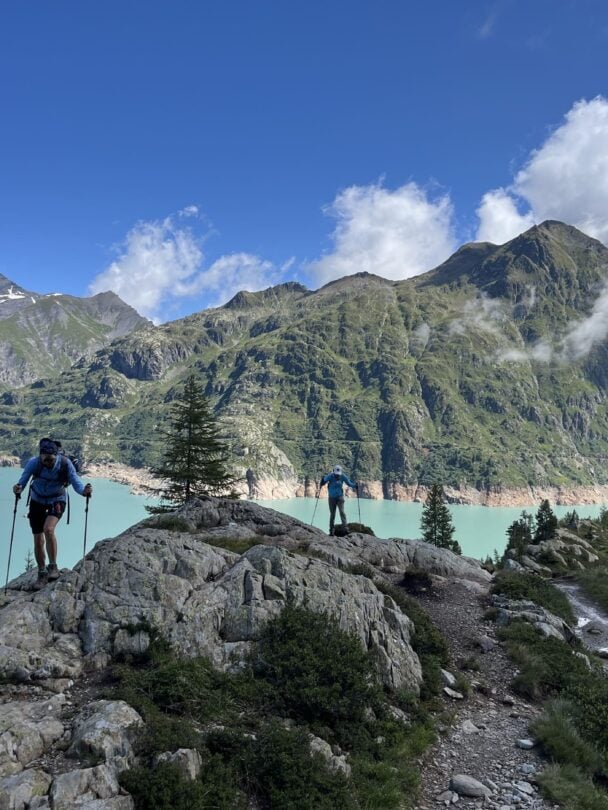
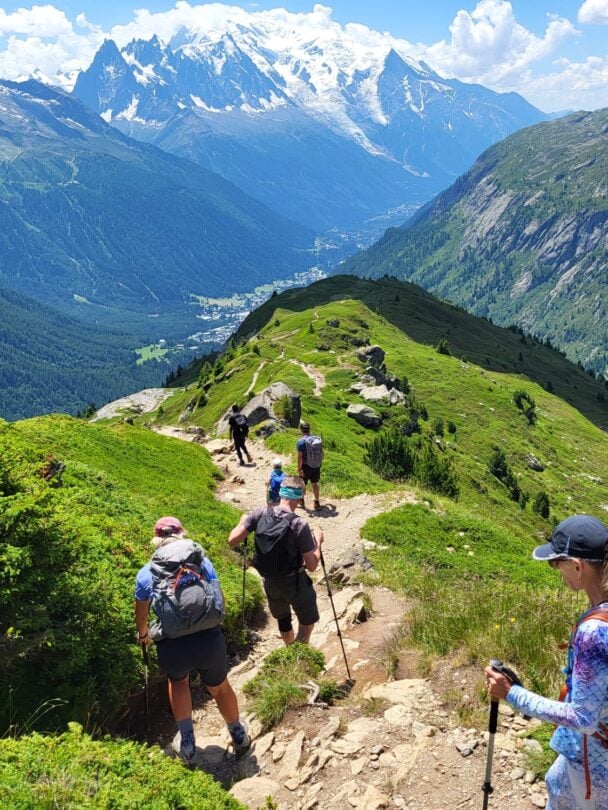
For rain, waterproof jackets and trousers are essential, along with multiple pairs of gloves. In the event of snow, quality hiking boots, walking poles, warm clothing, and gloves are necessary. Sometimes hikers experience heatwaves, meaning that they need to be equipped with rehydration salts, 3-4L of water, and a sun hat.
Don’t underestimate the importance of proper gear; be well-prepared for any situation. You’ll be able to discuss your packing list with the adventure company prior to your trip.
Got everything you need? Grab your gear through Active Junky and earn cash back on top outdoor brands — plus a $10 bonus on your first $25+ purchase. Shop now at Active Junky!