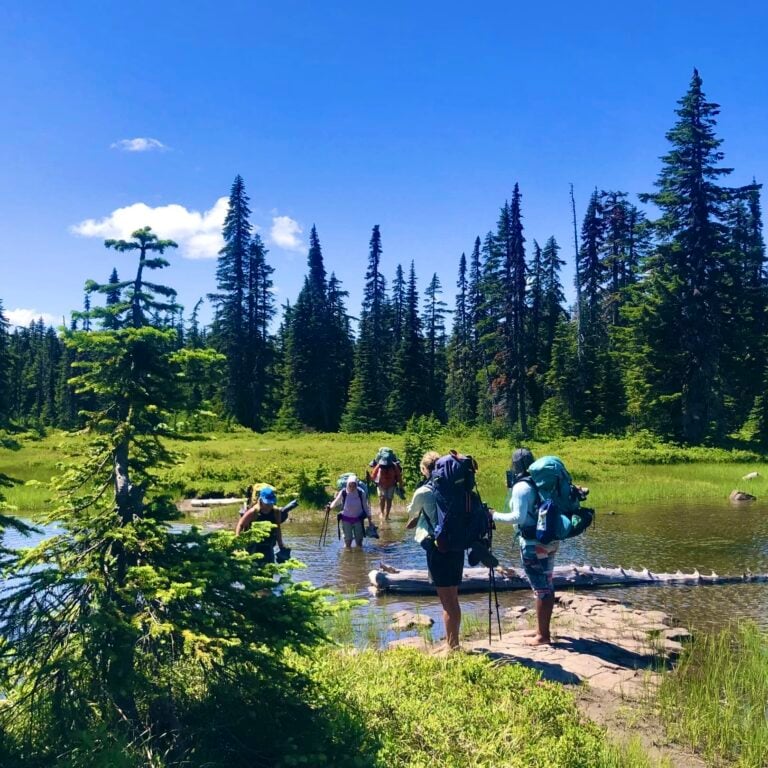
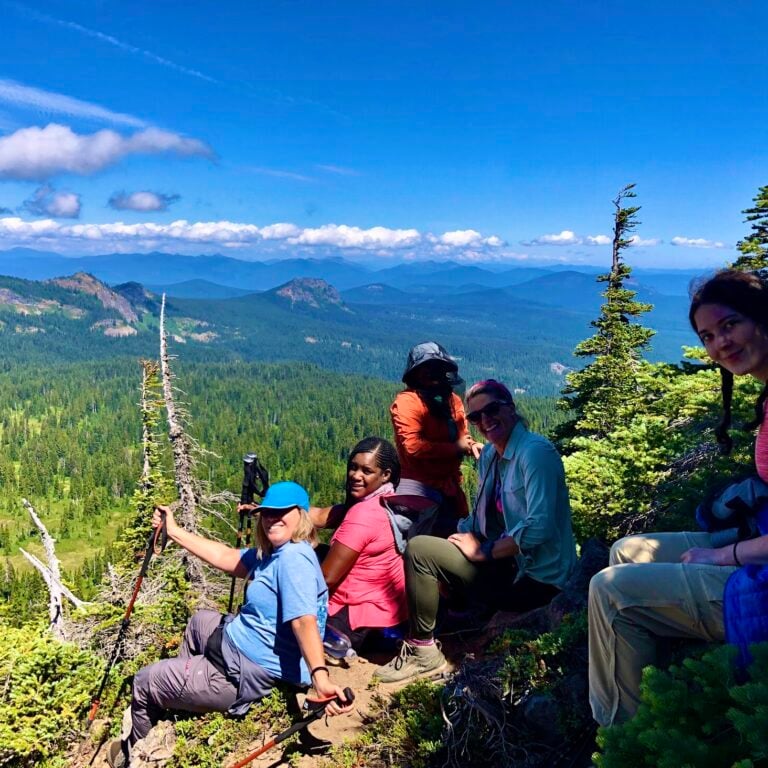
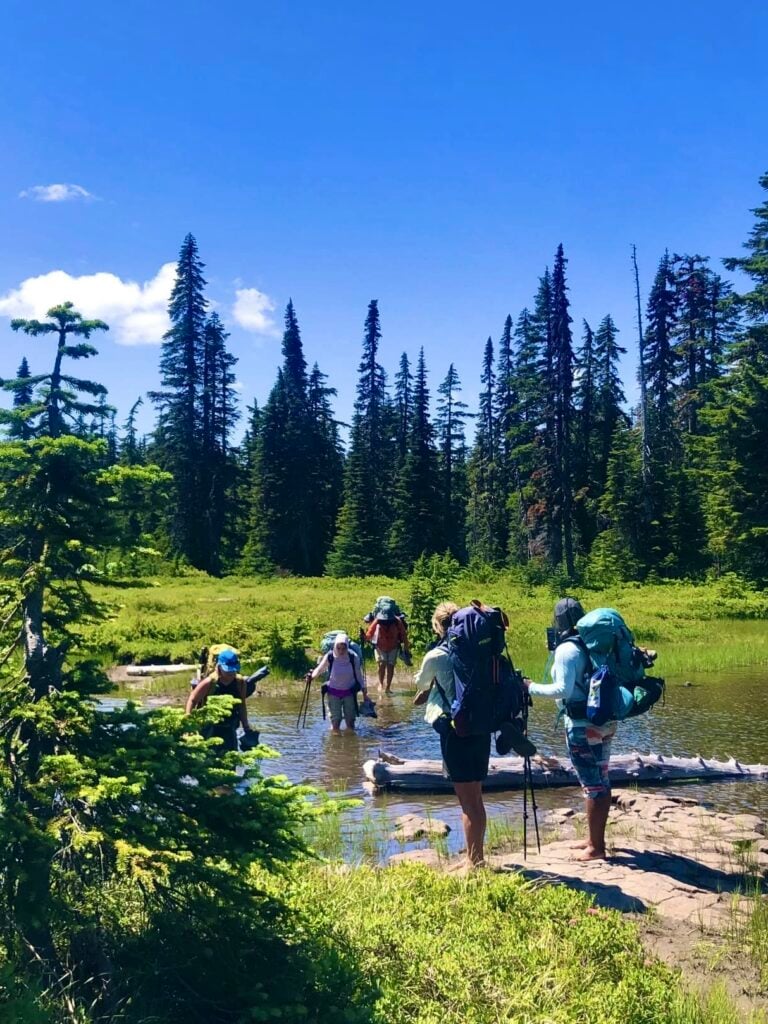
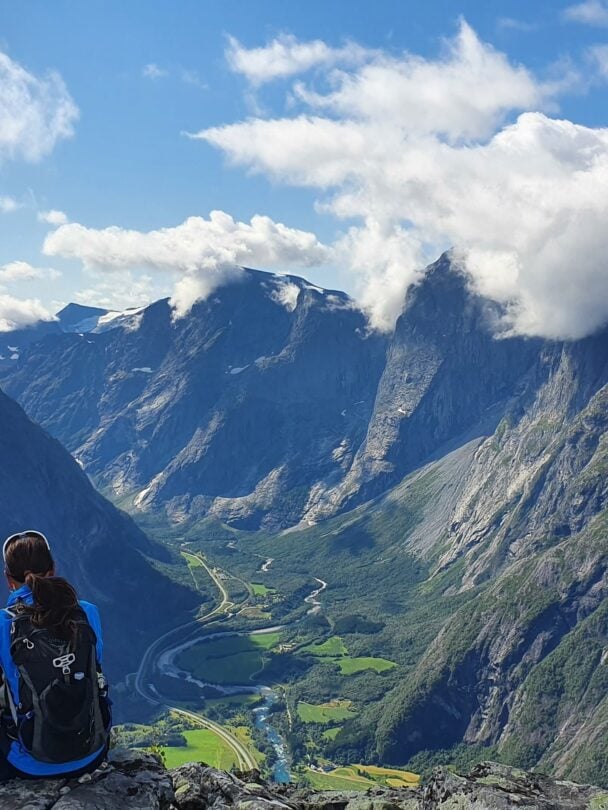
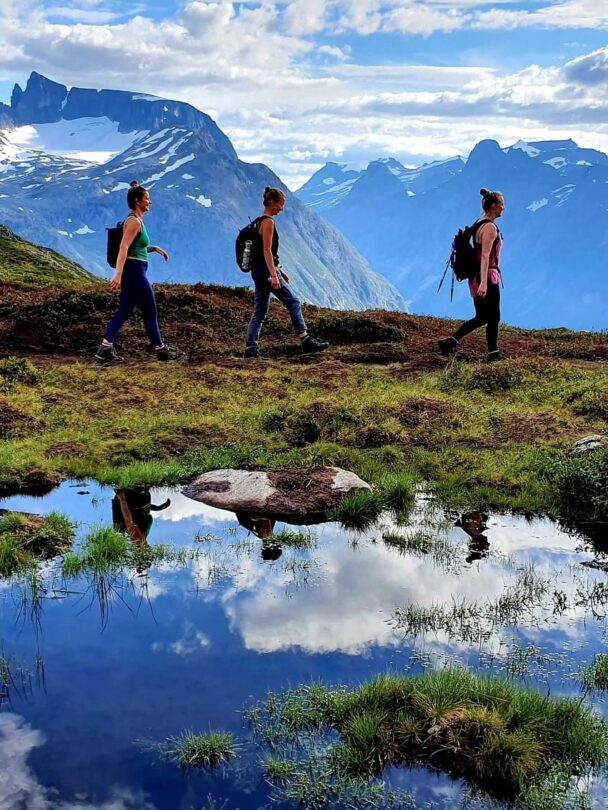
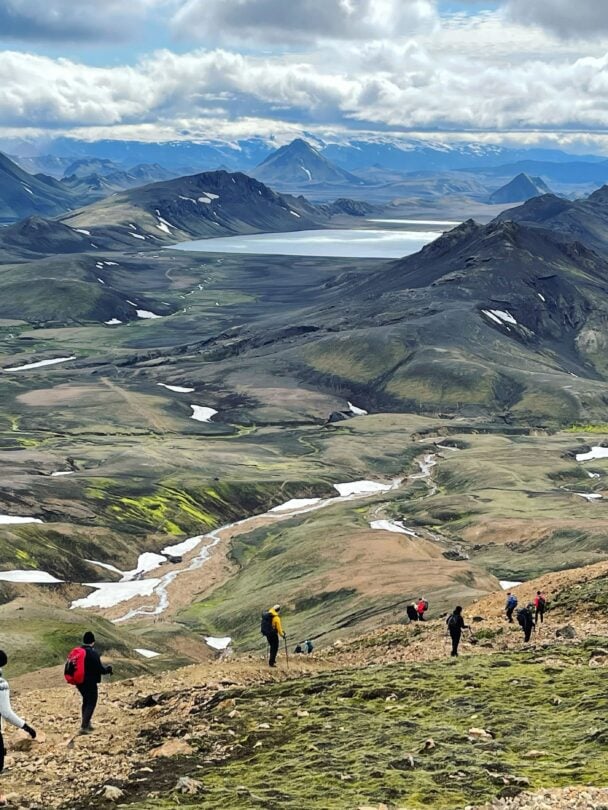
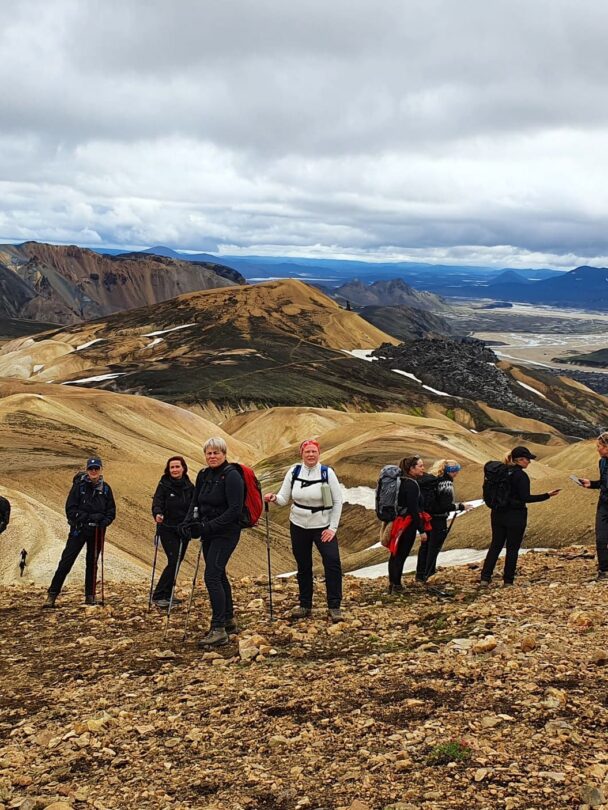
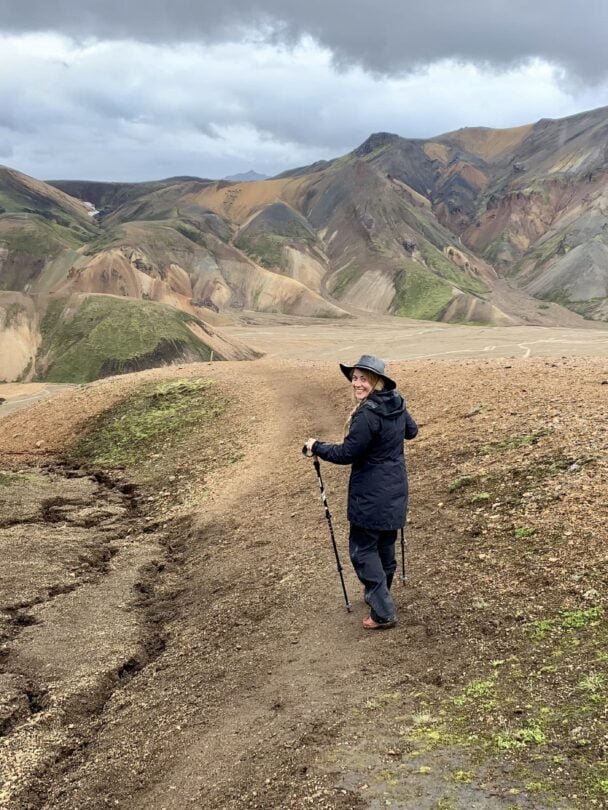
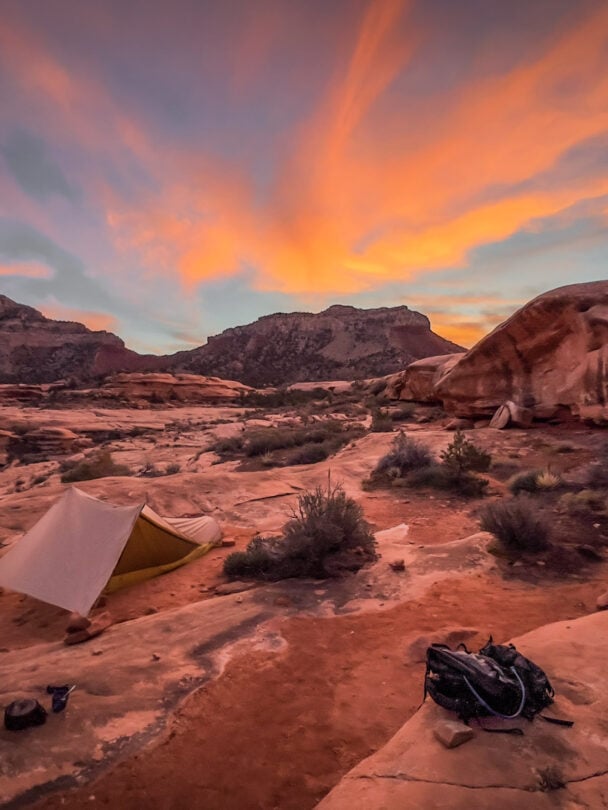
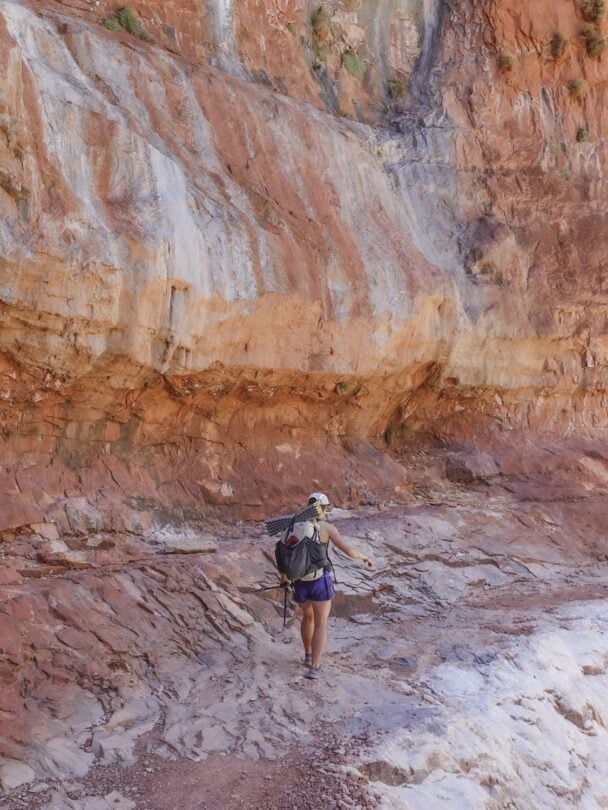
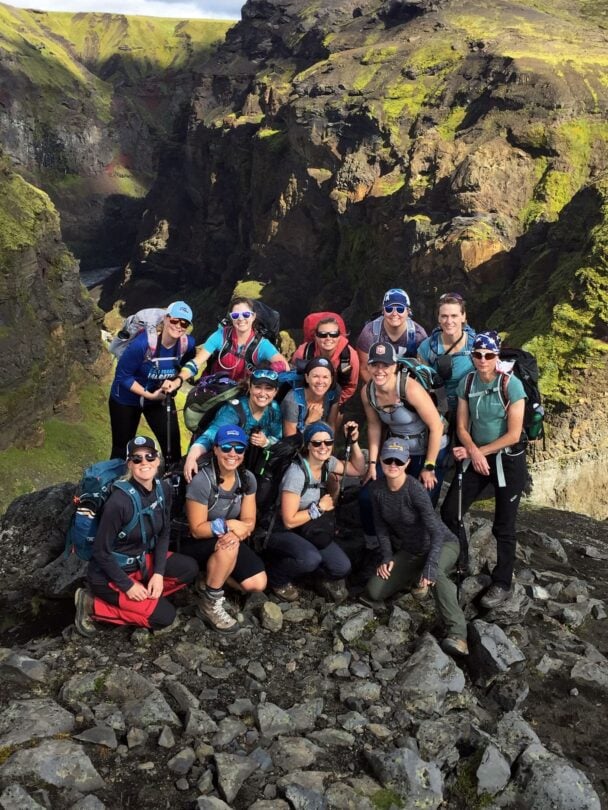
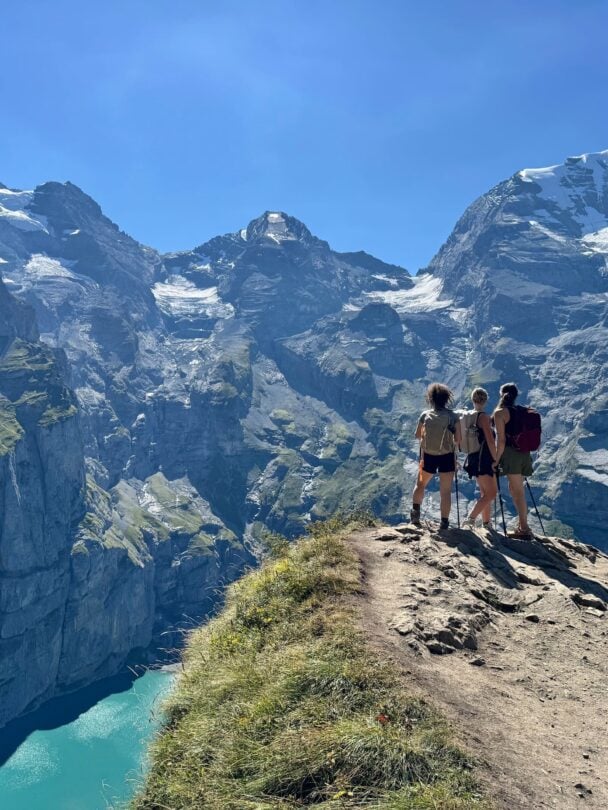
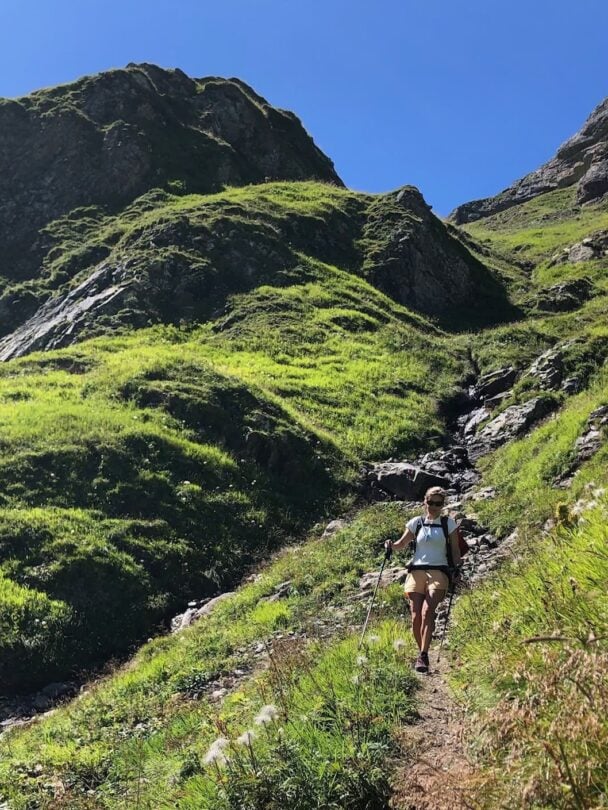
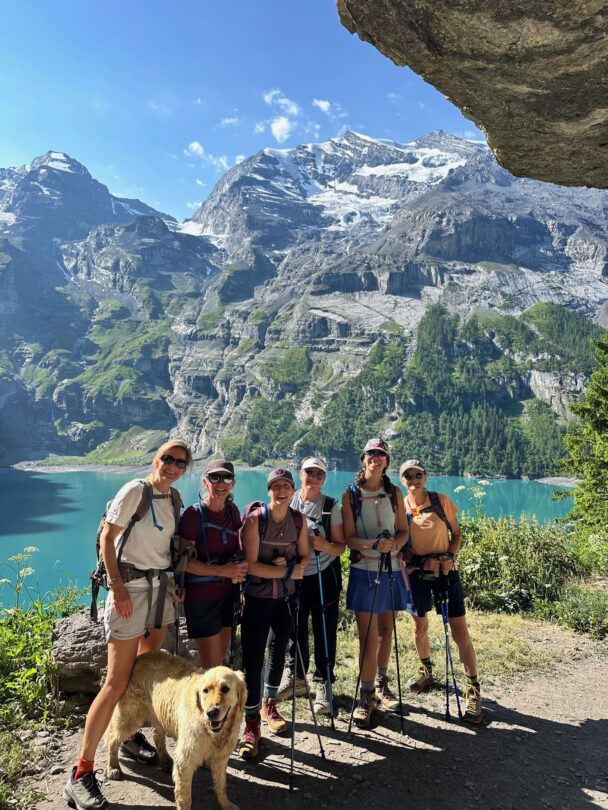
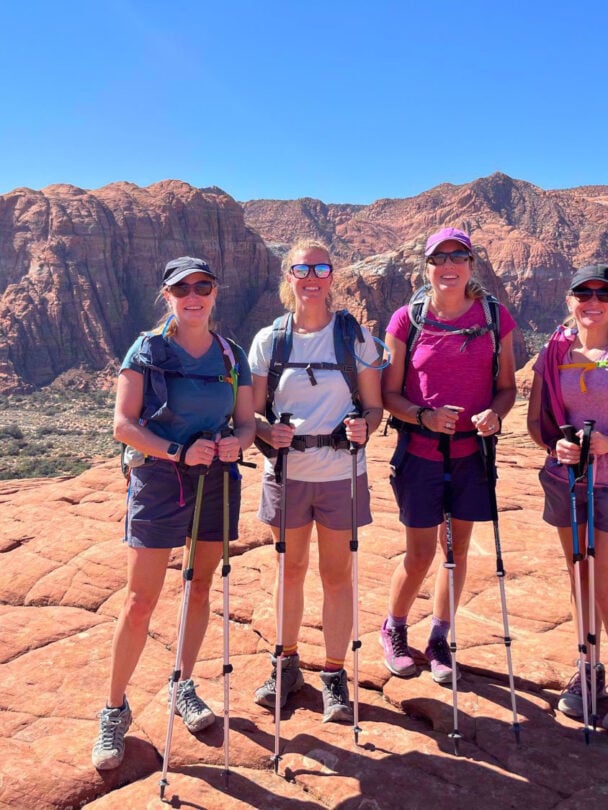
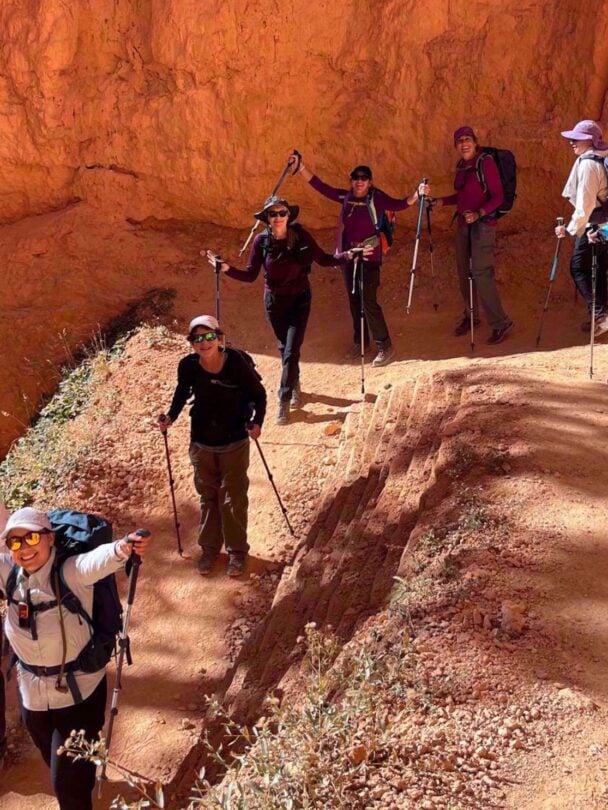
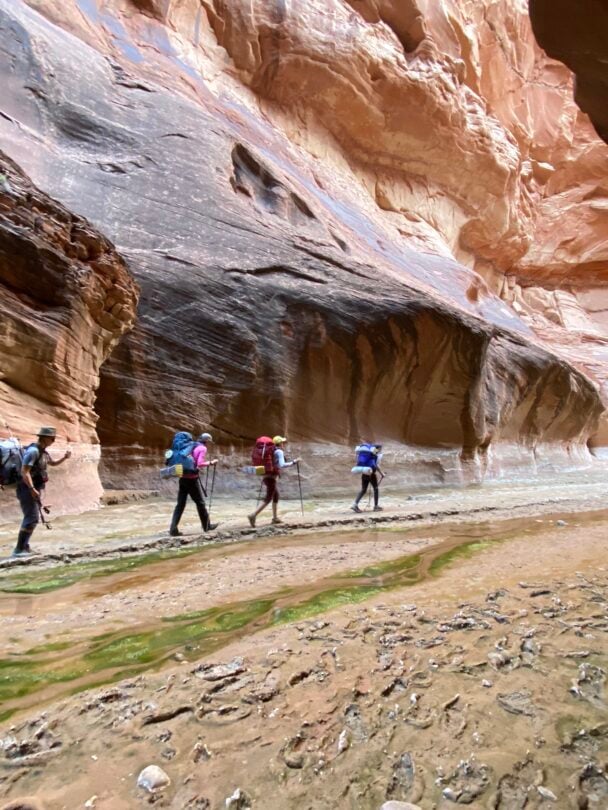
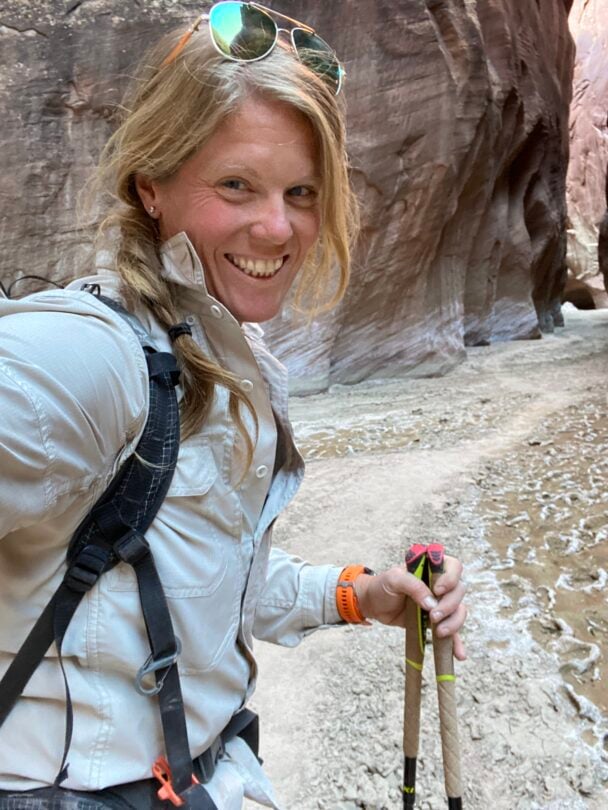
While no backpacking experience is necessary (your guides will teach you everything), good physical fitness is a must! Participants must be able to hike up to 10 miles a day up moderate inclines while carrying a 40lb (or heavier) pack.
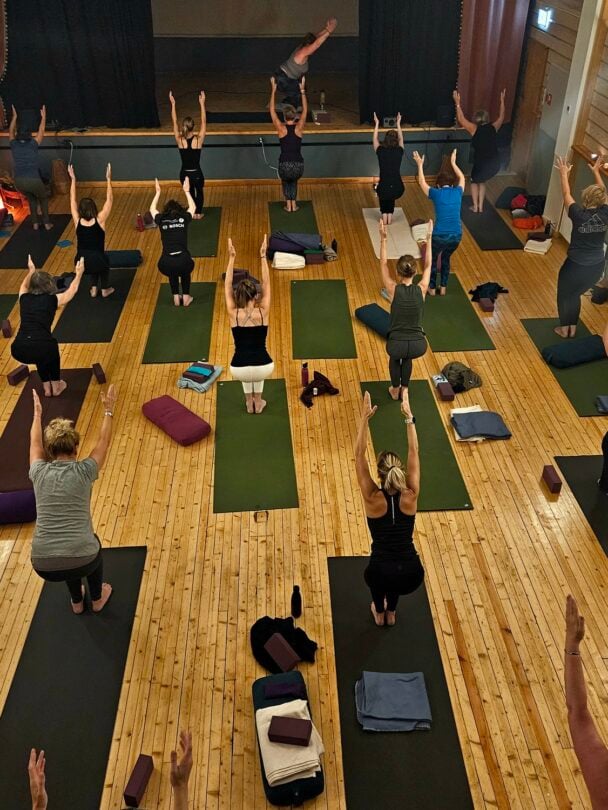
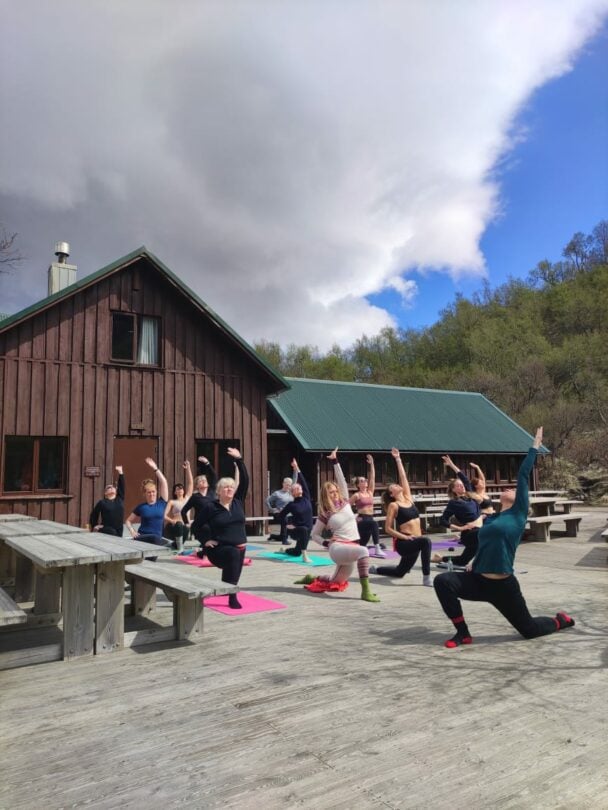
The importance of proper physical training cannot be emphasized enough! By arriving with your heart, lungs, and legs in top condition, you maximize your potential for a backpacking trip and your ability to enjoy the wilderness. When training, consider a well-founded routine that includes strength training, yoga or pilates, calisthenics, cardio, swimming, HIIT, and hiking with your full pack weight on.
You’ll be carrying group gear to ensure a safe and successful adventure. Part of backpacking is learning what you do and don’t need, and your guides are here to help you finetune your pack load so it will be manageable for you to carry on your adventure. Group gear will be an additional 5-10 lb to your pack. Keep in mind that you’ll also be carrying your own tent, sleeping bag/pads, clothing, backpack, etc.
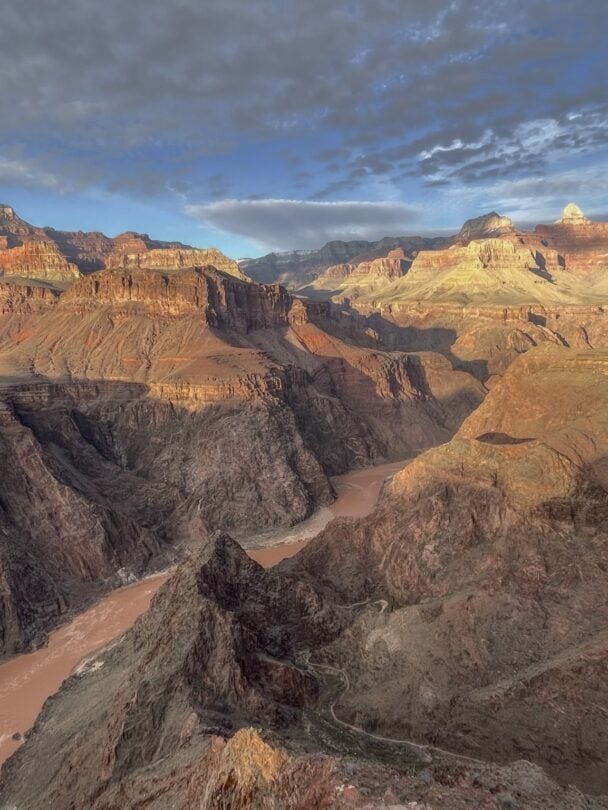
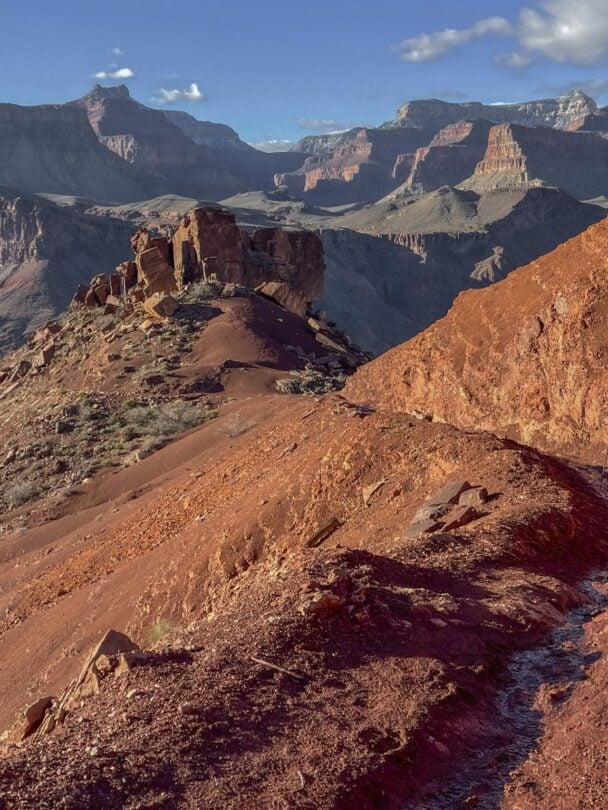
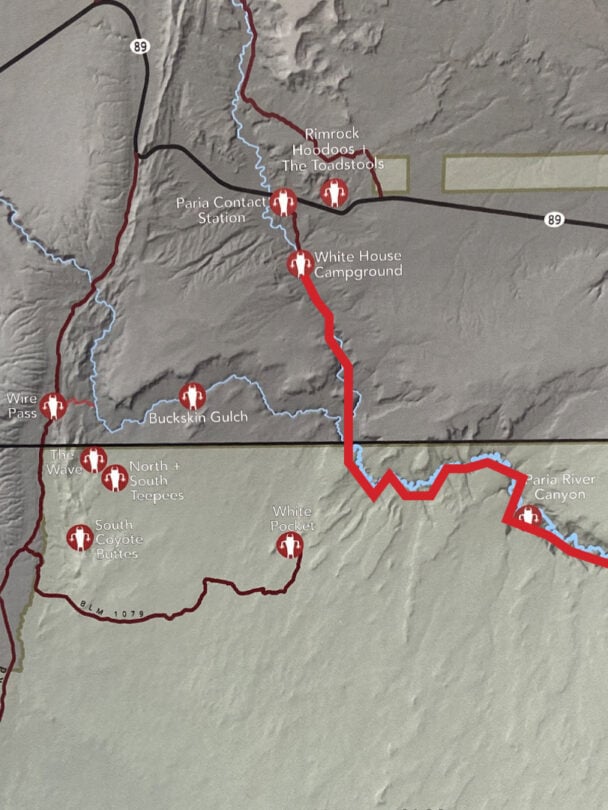
There are several routes your guides have in mind, some totally beginner-friendly, some a bit more intermediate. Daily elevation gain won’t exceed 2,000 ft (610 m), mileage is typically 8–13 miles (13–21 km) per day, and you won’t go above 7,000 ft (2,130 m)—so altitude sickness isn’t a concern. Choose the difficulty that suits you best!
-
- Beginner-friendly routes require good physical fitness and the ability to hike up to 10 miles a day over easy to moderate terrain with a 40 lb backpack. No backpacking experience is necessary.
- Intermediate routes require good physical fitness with some backpacking experience. Participants must be able to hike up to 10 miles a day over challenging terrain and steep elevation gains while carrying a 40 lb pack. Dry camping will be involved, this requires you to carry up to 4-6L of water for stretches on the trip.