Moab | Utah
Private Mountain Biking Tours in Moab
From $290
| 1 day


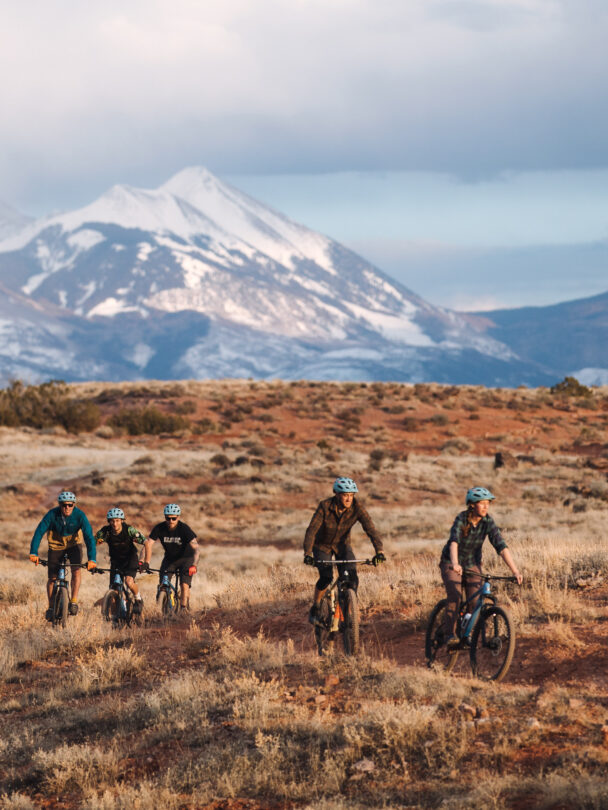
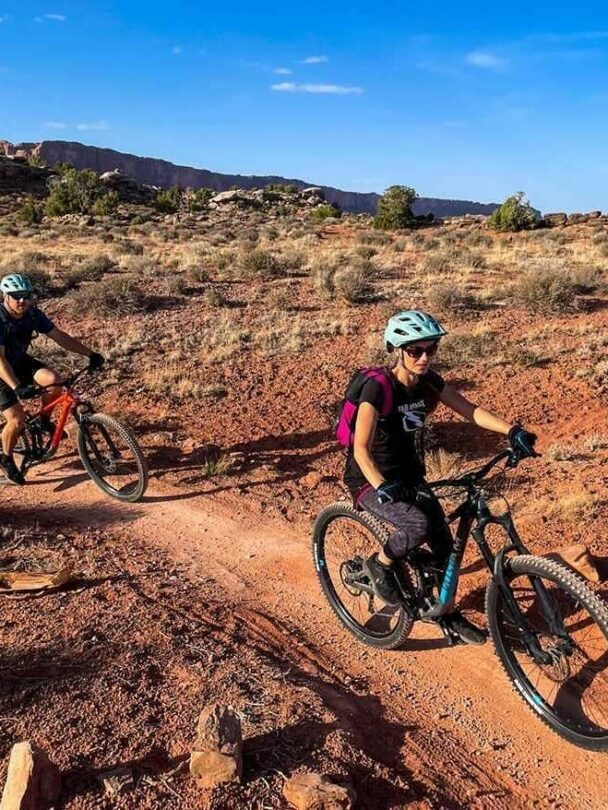
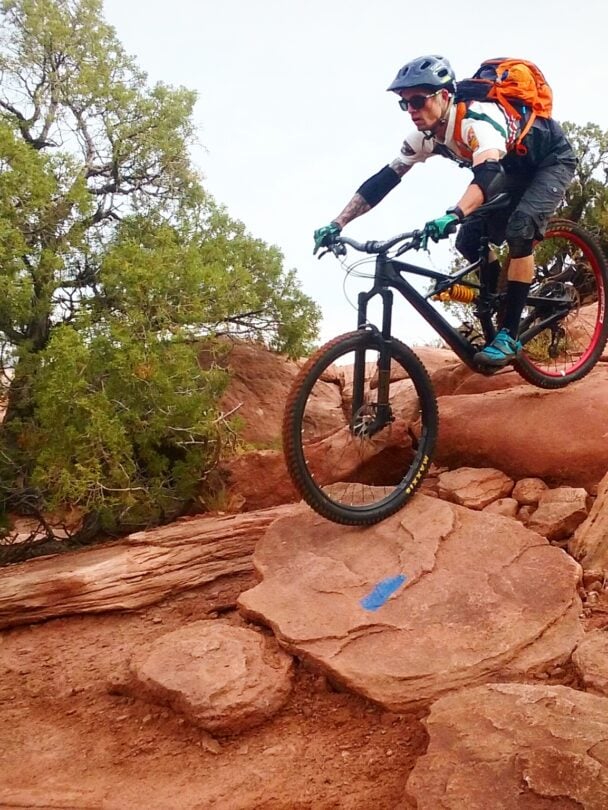
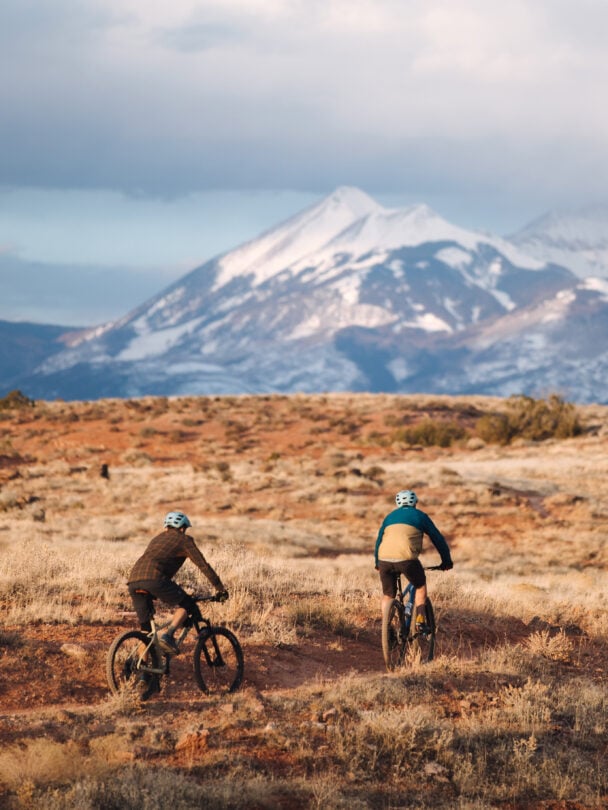
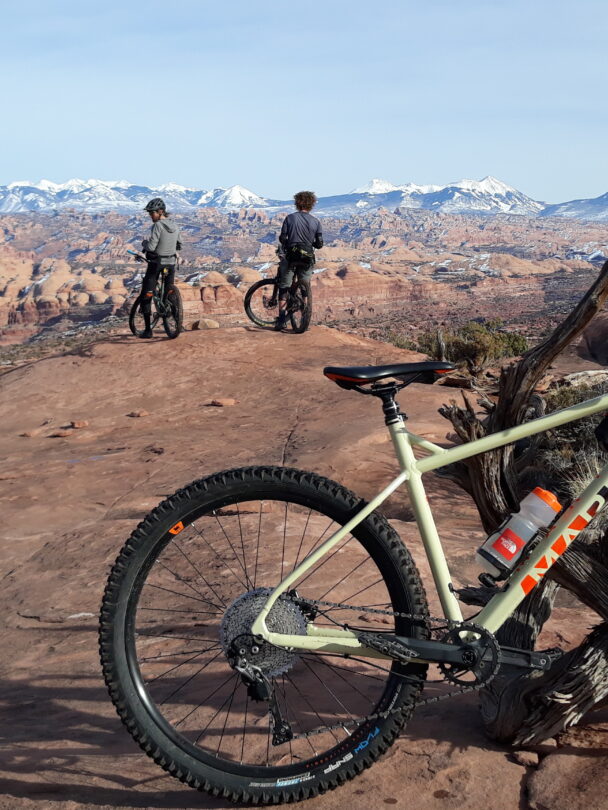
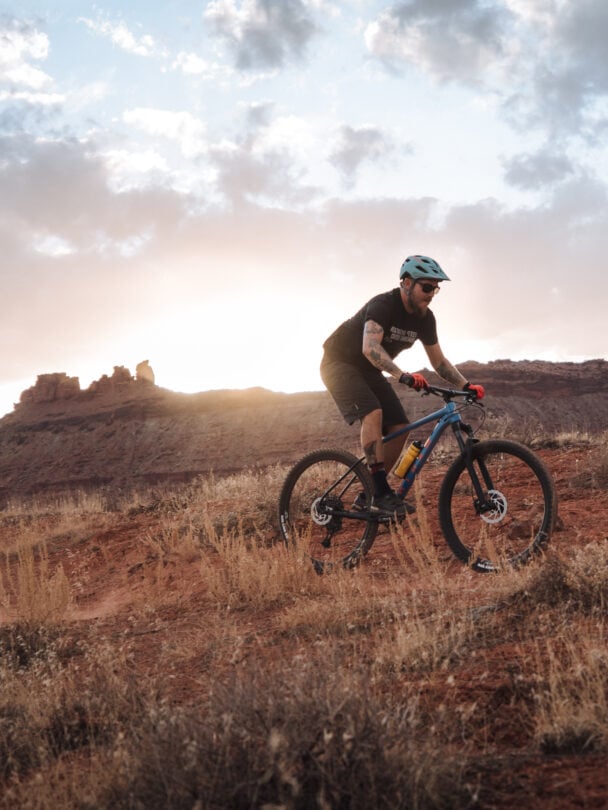
Moab incorporates dry mild temperatures, beautiful canyons and mesa tops, and some of the best MTB trails in the US, making it an incredibly popular destination for mountain biking tours! Discover unbelievably flowy descents, traverse dirt and slickrock, and feel the tires clinging to walls of vertical red sandstone. Mountain biking days in Moab are perfect for a range of skill levels — they are challenging enough to keep avid and experienced riders impressed while allowing beginner riders to master some skills and techniques. Join expert guides for a day of fun in this mecca of mountain biking! Find out more about the best trails in Moab from Lily Krass, a backcountry skier, mountain biker, and hiker.


57hours is committed to providing safe outdoor adventure experiences. We require all guides using our platform to have a COVID-19 safety plan and to make the details of that plan accessible to travelers. In most cases, group sizes will be reduced, guides will avoid overcrowded locations, and other safety measures will be met depending on the location and activity.
We also expect clients to respect local regulations and take measures to protect themselves, guides and the communities they’re travelling to. For more information on COVID-19 measures in Moab, Utah, please refer to the Official COVID-19 updates by the U.S. Government for Utah.
Please contact us if you have any questions or require further information. We are happy to provide you with the most up-to-date information!
This is what you get on this adventure:
What’s not included:
You will need to be able to pedal between two and six hours, depending on the itinerary you choose. Even the easy tours require that riders be fit enough to pedal up some rising terrain. After booking, your guide will determine the group’s skill level and capabilities and cater the day to your specific abilities.
Keep in mind, opting for the full day option means more biking, which is strenuous even if you stay on beginner level trails.
During the summer months, your guides cannot guarantee that you will be able to ride the entire route of the Whole Enchilada. While you start at a much cooler alpine elevation, the route ends at the much hotter desert environment. Riders need to carry a minimum of 3 liters of water, so be sure to bring a hydration pack with this capacity (there is no place to re-fill) as well as space to carry a lunch that will be provided.
The Burro Pass section (the first 6 miles) involves a substantial climb at high elevation which can really work folks before the extremely technical descent right after. The rest of the route is considered a “pedally” downhill, with the final 12 miles on the Porcupine Rim being physically demanding because of constant chunky and rocky riding, as well as the summertime heat.
This ride is the most remote and technically challenging of any ride in Moab and is more suited for expert riders with very strong fitness. If you and the guide get to a point where it is no longer feasible to continue (due to time, temperatures, rider skill or safety concerns, amount of water left in your packs, etc.), you will need to exit the route, for your health and safety.
If the best decision is to exit the route – either before or after the LPS section, where there is still 12 miles of rough and physically demanding trail. There are options to ride the Raptor Route before riding a few more miles down the Sand Flats Road to get back to town. The mileage is very similar to finishing on the Porcupine section, however, you are much closer to civilization in case something goes wrong. A rescue by ground on Porcupine Rim can take 7 – 8 hours.
To book these mountain bike trips in Moab, all riders, regardless of age or height, must be capable of operating hand brakes and shifting gears. A guide will explain the different mountain bike techniques and body positions to get you feeling comfortable on the trail. You will progress at a level that is consistent with your comfort. Once you finally get the hang of trail riding, you will only want more!
You’ll need:
Wear comfortable riding or athletic clothing, preferably moisture wicking or synthetic material.
Dress comfortably and for the weather in clothes you can move in. We suggest bringing clothing appropriate for the season.
Group sizes and prices:
Min. age requirements:
If your group has climbers under the age of 18, contact us prior to booking to make arrangements.
To get to Moab, most people fly to Canyonlands Regional Airport (CNY) in Moab, UT. Other options include flying into Grand Junction, CO, about a two-hour drive away, and Salt Lake City, UT, which is four hours away.
Once you and your guide agree on the details of your itinerary, your guide will suggest the best place to meet, whether that’s at the guide shop or a predetermined location. From there, you will head to the trailhead.
Day Trips Cancellations
Fully refundable within the initial 48 hours from booking, unless the trip date is less than 7 days from the time of the booking.
Cancellations up to 7 days prior to the trip date are refundable 100%.
Cancellations within 7 days prior to the trip date are non-refundable.
Check your inbox.
Schedule a call with our adventure experts and let us help planning your dream adventure.