This adventure is for intermediate to experienced climbers. You will need a great level of fitness and backpacking experience to accomplish this climb.
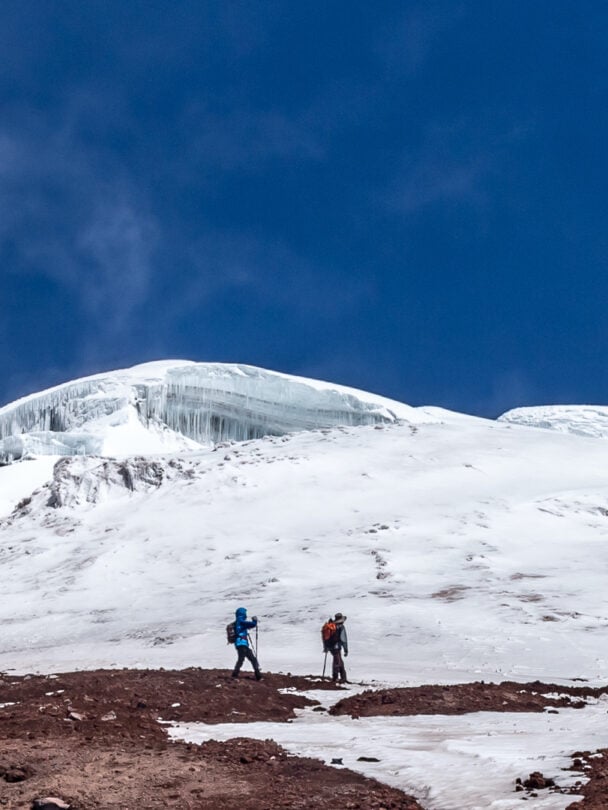
Chimborazo is a tough climb, which requires a specific skill set. Building effective storm camps, rescue techniques, climbing with full packs, fixed rope ascension, and formulating a climbing strategy are all necessary topics to cover. Participants should arrive with a healthy desire for enduring mountain conditions.
Training for Chimborazo is crucial, especially if you live at sea level. To prepare for the altitude, focus on building endurance through activities like long-distance running. This will help your body adapt to the physical demands of the climb, ensuring you’re ready to conquer Ecuador’s tallest peak.
One of the biggest strengths of this itinerary is how thoughtfully it’s built for acclimatization. You start in Quito at 2,850 m (9,350 ft), then gradually move higher—reaching Chimborazo Basecamp Lodge at 4,000 m (13,120 ft) on Day 3. On Day 4, you hike up to Whymper Needles at 5,200 m (17,060 ft), before ascending to High Camp at 5,300 m (17,390 ft). With your body properly adjusted, you’ll make your summit attempt on Day 6, aiming for the top of Chimborazo at 6,267 m (20,560 ft).








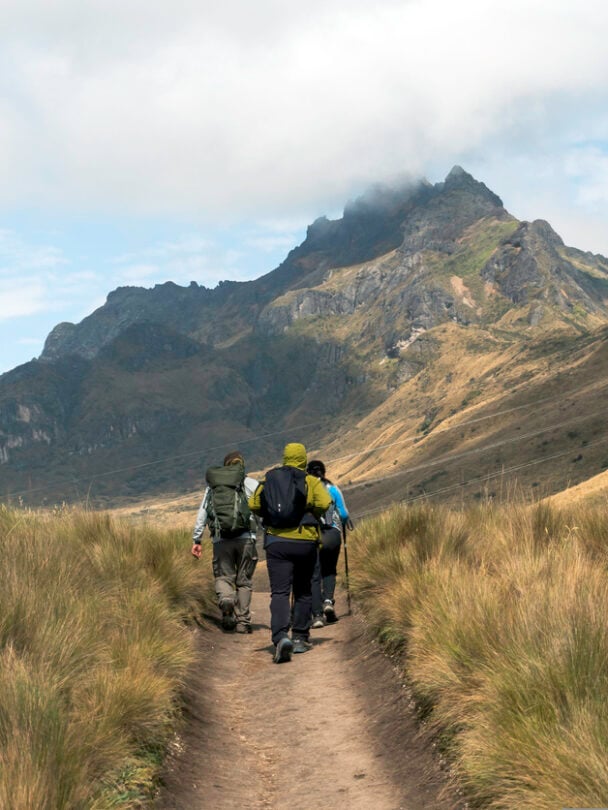
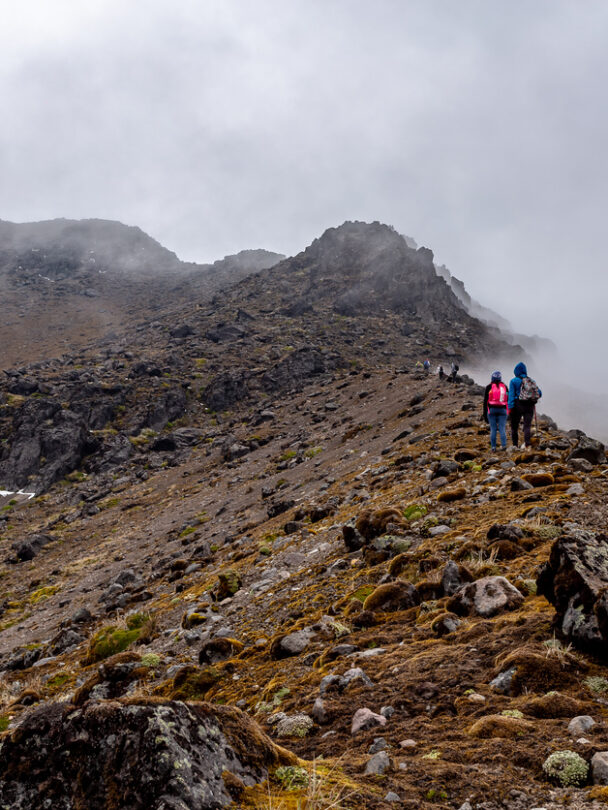
I had an outstanding experience with these guides for my ascents of Cotopaxi and Chimborazo. Everything was perfectly organized from start to finish — professional and passionate guides, reliable logistics, quality equipment, and comfortable accommodations. I felt safe and well-supported throughout both expeditions.
If you’re looking for a serious and trustworthy company for high-altitude climbs in Ecuador, I highly recommend them. I’m extremely satisfied and grateful for the incredible memories they helped create.